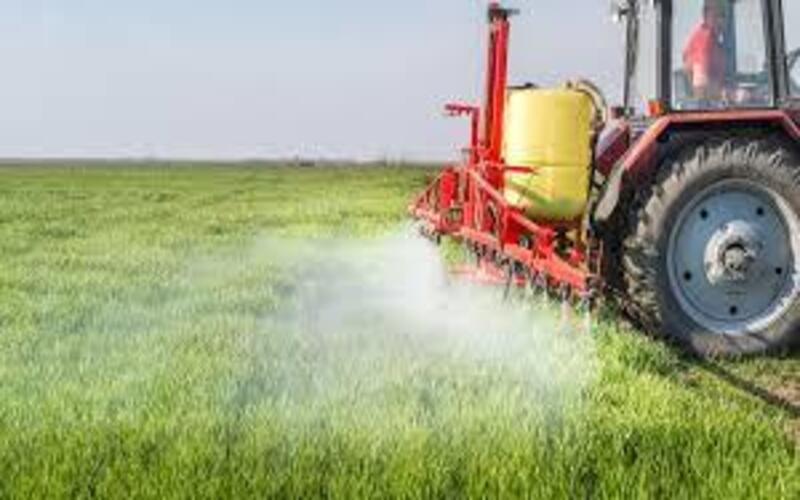
Silicone Adjuvant for Agriculture : Improving Pesticide Efficiency and Crop Protection
Agriculture is a critical industry, providing food and other essential resources for billions of people around the world. However, farmers face numerous challenges in producing crops, including unpredictable weather patterns, pests, and diseases.
To combat these challenges, many farmers rely on pesticides to protect their crops. However, the efficacy of pesticides can be limited by environmental factors and the characteristics of the crop. Silicone adjuvant is a valuable tool for improving pesticide efficiency and crop protection. In this article, we’ll explore the benefits and applications of silicone adjuvant for agriculture.
What is Silicone Adjuvant?
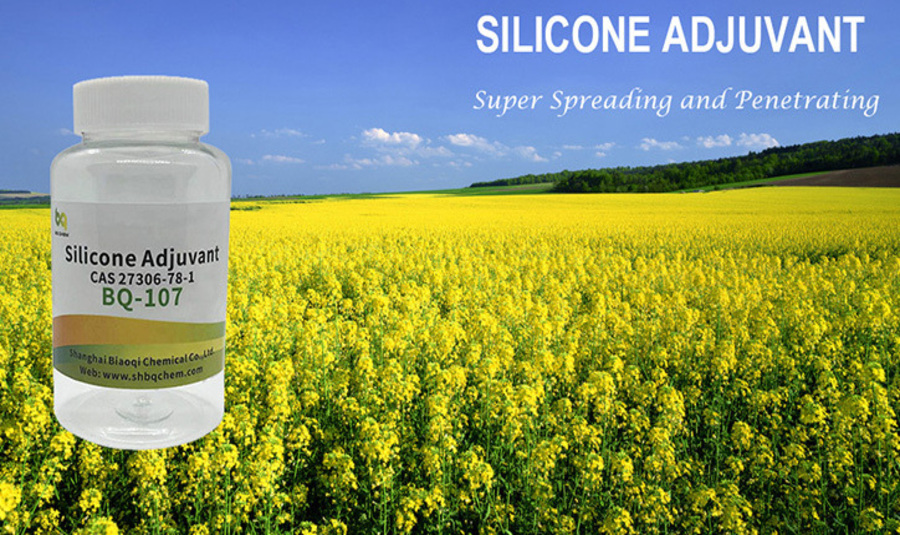
Silicone adjuvant is a type of additive that is added to pesticides to enhance their efficacy. The adjuvant is made from silicone and is designed to improve the performance of pesticides by improving their spread, penetration, and persistence. Silicone adjuvant can also help reduce the amount of pesticide needed for a given application, making it more cost-effective.
Benefits of Silicone Adjuvant for Agriculture
- Improved Pesticide Efficiency
One of the primary advantages of silicone adjuvant for agriculture is that it improves pesticide efficiency. The adjuvant helps to improve the spread, penetration, and persistence of pesticides, making them more effective at controlling pests and diseases. Additionally, silicone adjuvant can help reduce the amount of pesticide needed for a given application, making it more cost-effective.
- Increased Crop Protection
Silicone adjuvant can also increase crop protection by improving the efficacy of pesticides. The adjuvant helps to improve the spread and penetration of pesticides, making them more effective at controlling pests and diseases. This can reduce the risk of damage to crops, improving overall crop yield and quality.
- Reduced Environmental Impact
Silicone adjuvant can also help to reduce the environmental impact of pesticides. The adjuvant helps to reduce the amount of pesticide needed for a given application, which can reduce the amount of active ingredient that is released into the environment. Additionally, silicone adjuvant is biodegradable and non-toxic, making it a safe and environmentally friendly option.
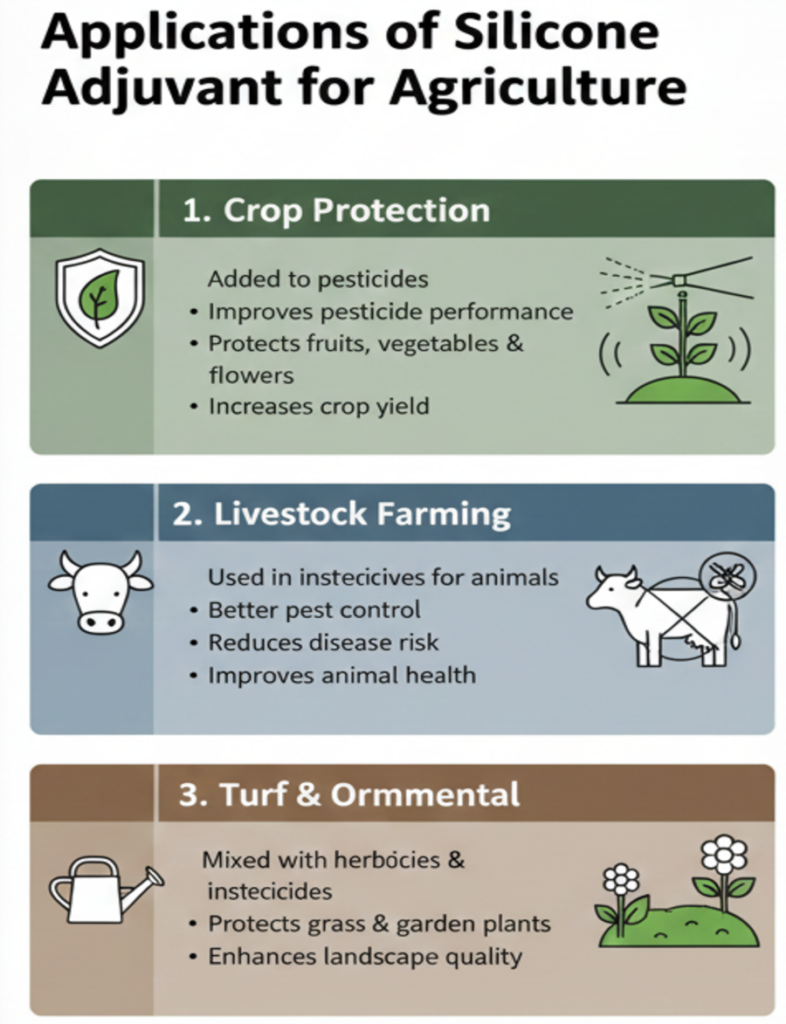
Applications of Silicone Adjuvant for Agriculture
- Crop Protection
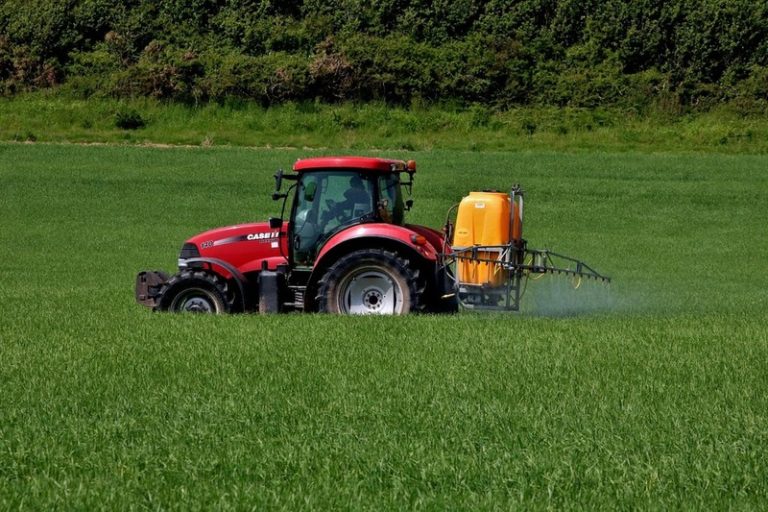
Crop protection is one of the most common uses of silicone adjuvant in agriculture. The adjuvant is added to pesticides to improve their efficacy, reducing the risk of crop damage and improving overall crop yield and quality. Silicone adjuvant is particularly useful for crops that are sensitive to pests and diseases, such as fruits, vegetables, and flowers.
- Livestock Farming
Silicone adjuvant can also be used in livestock farming. The adjuvant can be added to insecticides and other pest control products to improve their efficacy, reducing the risk of disease transmission and improving overall animal health.
- Turf and Ornamental Agriculture
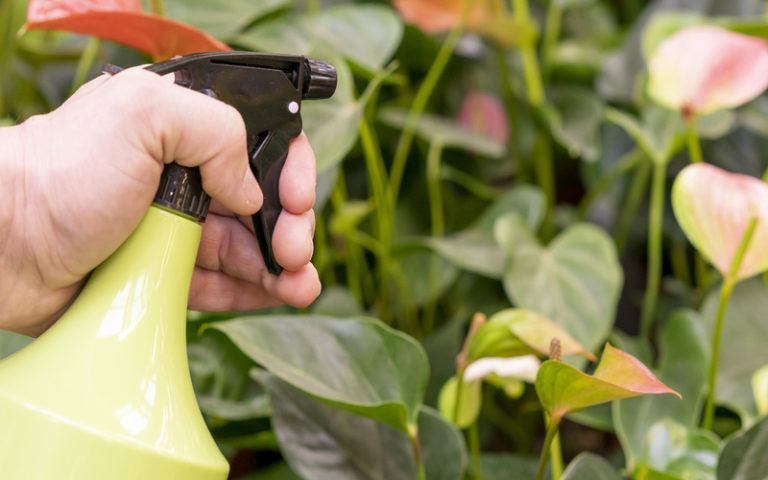
Silicone adjuvant can also be used in turf and ornamental agriculture. The adjuvant can be added to herbicides and insecticides to improve their efficacy, reducing the risk of damage to turf and ornamental plants and improving overall landscape quality.
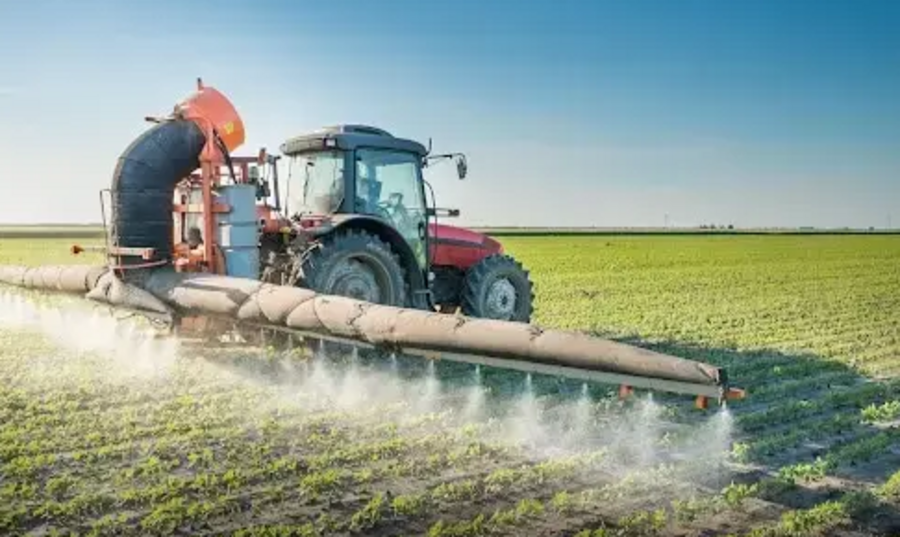
How Silicone Adjuvants Work
Silicone adjuvants excel due to their unique molecular structure:
- Superspreading : Droplets spread up to 10x wider than without adjuvant.
- Better Penetration : Improved stomatal uptake for systemic pesticides.
- Rain fastness : Enhances adhesion, reducing wash-off.
- Reduced Drift : Finer, more uniform coverage with less runoff.
Key Benefits
Silicone adjuvants offer distinct advantages over traditional non-silicone surfactants:
| Benefit | Description | Impact |
|---|---|---|
| Enhanced Coverage & Spreading | Reduces surface tension for superspreading on difficult leaves | Up to 50-70% better leaf coverage |
| Improved Penetration | Promotes stomatal and cuticular absorption | Faster, more effective systemic action |
| Reduced Pesticide Use | Achieves same/better results with 20-30% less active ingredient | Lower costs and environmental impact |
| Increased Rainfastness | Better adhesion resists wash-off | Reliable protection in wet conditions |
| Eco-Friendly | Many are biodegradable, non-toxic, and low-phytotoxicity | Safer for crops and ecosystems |
Conclusion
Silicone adjuvant is a valuable tool for improving pesticide efficiency and crop protection in agriculture. The adjuvant helps pesticides spread, penetrate, and last longer, which makes them better at getting rid of pests and diseases.
Additionally, silicone adjuvant can help reduce the amount of pesticide needed for a given application, making it more cost-effective and environmentally friendly. Whether used for crop protection, livestock farming, or turf and ornamental agriculture, silicone adjuvant offers a safe and effective solution for improving overall agricultural operations.
Frequently Asked Questions (FAQ)
1. Are silicone adjuvants safe for organic farming?
Most are not certified organic (synthetic origin), but some eco-friendly versions exist. Check regulations.
2. How much can they reduce pesticide use?
Often 20-50%, depending on crop and conditions.
3. Difference from regular surfactants?
Silicone versions provide superior spreading (super spreaders) vs. standard
non-ionic ones.
4. Can they cause phytotoxicity?
Rare at recommended rates, but over-application may harm sensitive plants.
5. Best for which crops?
Excellent for waxy/hairy leaves like brassicas, onions, or citrus.
Also Read :-