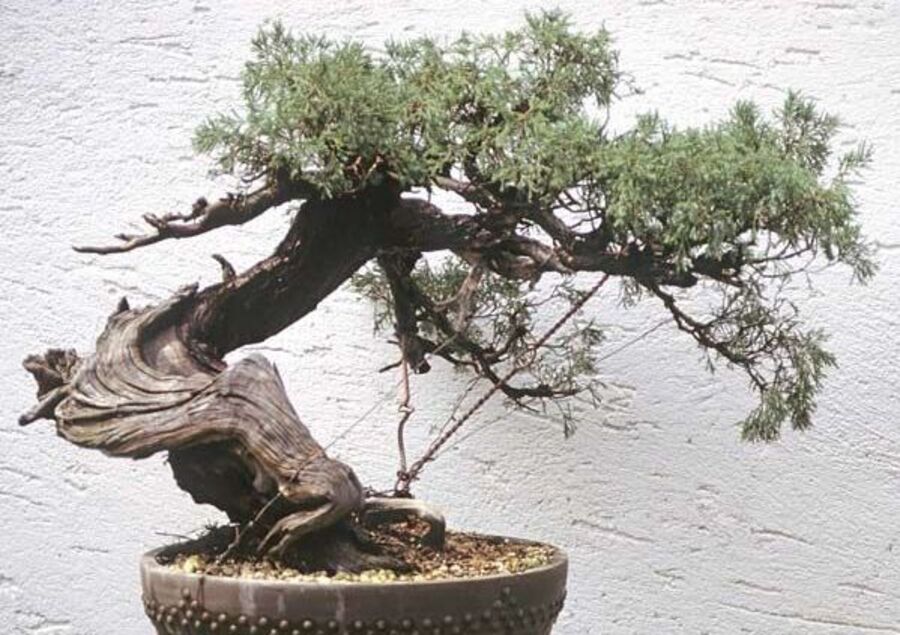
Rocky Mountain Juniper: A Complete Guide for Bonsai Lover
Introduction
Have you ever seen a twisted, gnarly tree growing on a rocky hillside and wondered what it was? Chances are, you were looking at a Rocky Mountain Juniper. This tough little tree is one of nature’s true survivors, growing in places where most other trees would simply give up.
The Rocky Mountain Juniper (Juniperus scopulorum) is a small to medium-sized evergreen tree that grows throughout the western United States. It’s not the tallest tree in the forest, and it won’t win any beauty contests, but what it lacks in glamour, it makes up for in toughness and usefulness.
In this article, we’ll explore everything you need to know about this amazing tree – from where it grows to how Native Americans used it, and why it’s still important today.
What is Rocky Mountain Juniper?
Rocky Mountain Juniper is an evergreen conifer tree that belongs to the cypress family (Cupressaceae). The word “evergreen” means it keeps its leaves (or needles) all year round, even in winter. Unlike pine trees that have long needles, junipers have short, scale-like leaves that look almost like tiny overlapping shingles.
The scientific name Juniperus scopulorum tells us a lot about this tree. “Juniperus” is the Latin word for juniper, while “scopulorum” means “of the rocks” or “of the cliffs” – a perfect name for a tree that loves to grow on rocky slopes and cliffsides.
Physical Characteristics
Size and Shape
Rocky Mountain Juniper is not a giant tree. Most of the time, it grows between 10 to 30 feet tall, though some lucky specimens can reach up to 50 feet in perfect conditions. The trunk is usually quite narrow, measuring between 1 to 3 feet in diameter.
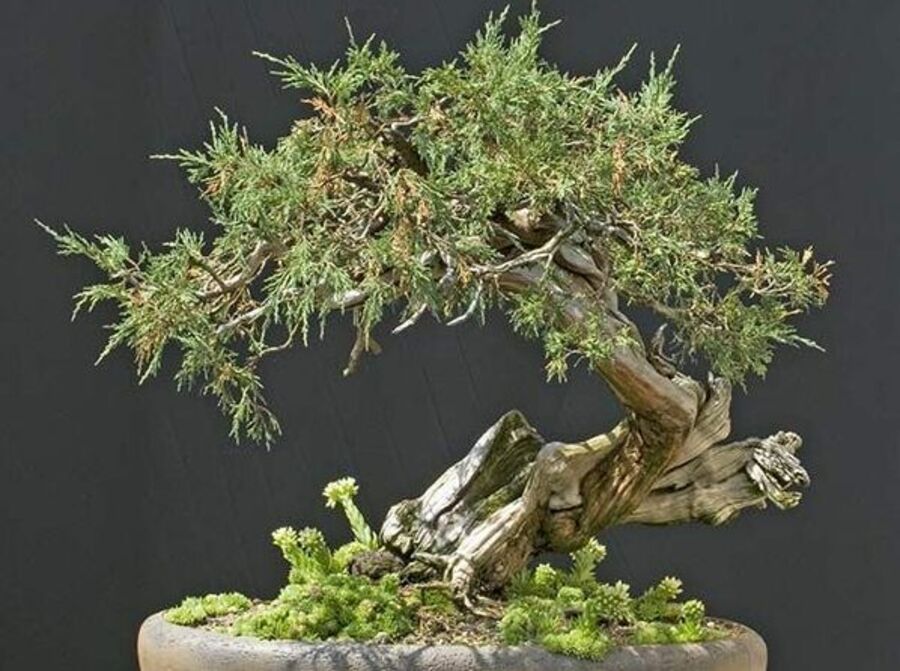
What makes this tree really interesting is its shape. When it grows in windy, exposed places, it often develops a twisted, sculptural appearance that looks like nature’s own artwork. In more protected areas, it grows in a neat pyramid or column shape.
Bark
The bark of Rocky Mountain Juniper is quite distinctive. It’s reddish-brown to gray in color and shreds off in long, thin strips. If you’ve ever seen a tree that looks like it’s peeling, you were probably looking at a juniper. This shreddy bark is actually quite useful – both for the tree and for animals that use it for nesting material.
Leaves
Unlike what most people think of as “leaves,” juniper leaves are tiny scales that overlap each other, completely covering the branches. These scale-leaves are usually blue-green or gray-green in color and arranged in pairs or groups of three around the stem.
When the tree is young, it sometimes has needle-like juvenile leaves that are sharper and more pointed. As the tree matures, it develops the typical scale leaves.
Cones and Seeds
Here’s something surprising – junipers don’t have typical pine cones! Instead, they produce berry-like cones that look like small blue fruits covered in a whitish coating (called a bloom). These “berries” are actually modified cones with fleshy scales that have grown together.
Each berry contains 1 to 2 seeds and takes about two years to fully mature. When ripe, they’re dark blue and about the size of a pea. Birds absolutely love these berries, which is how juniper seeds get spread around.
Where Does Rocky Mountain Juniper Grow?
Geographic Range
Rocky Mountain Juniper lives up to its name – it grows throughout the Rocky Mountain region of North America. You can find it from British Columbia in Canada all the way south to Texas and Arizona. Its range includes:
- Montana
- Idaho
- Wyoming
- Colorado
- Utah
- Nevada
- New Mexico
- Arizona
- Parts of Texas
- Western portions of the Dakotas
- Eastern Washington and Oregon
Habitat Preferences
This juniper is not picky about where it lives, which is one reason it’s so successful. It typically grows in:
Dry, rocky slopes – This is its favorite spot. Rocky Mountain Juniper thrives where the soil is thin and rocky, and other trees struggle.
Canyon walls – You’ll often see these trees clinging to steep canyon sides, their roots finding cracks in the rock.
Foothills and low mountains – It grows at elevations from about 5,000 to 9,000 feet above sea level.
Open woodlands – It’s often found mixed with pinyon pine in open, sparse forests.
Climate Tolerance
One of the most impressive things about Rocky Mountain Juniper is how tough it is. This tree can handle:
- Extreme cold – It survives winters where temperatures drop well below zero
- Hot, dry summers – It can go months without significant rainfall
- Strong winds – Its flexible branches bend rather than break
- Poor soil – It grows in rocky, nutrient-poor soil where other trees fail
- Drought – Its deep roots help it find water even in dry conditions
Life Cycle and Growth
Growth Rate
Rocky Mountain Juniper is what we call a “slow grower.” It doesn’t shoot up like a weed; instead, it takes its time. In good conditions, it might grow 6 to 12 inches per year. In harsh conditions, it might only grow a few inches annually.
This slow growth has an advantage – the wood becomes very dense and durable, almost like nature’s hardwood.
Lifespan
Don’t let its small size fool you. Rocky Mountain Juniper can live for a very long time. Most trees live between 250 to 300 years, but some ancient specimens have been found that are over 1,000 years old! Imagine a tree that was alive during the Middle Ages, still standing today.
Reproduction
Rocky Mountain Juniper has separate male and female trees (a characteristic called being “dioecious”).
Male trees produce tiny pollen cones that release pollen into the wind in spring. If you’ve ever seen a cloud of yellow-brown dust coming off a juniper, that was pollen.
Female trees produce the berry-like seed cones. These take two years to mature fully. In the first year, they’re green and hard. In the second year, they turn blue and develop that whitish coating.
Birds, especially cedar waxwings and robins, eat these berries. The seeds pass through their digestive systems and get deposited in new locations – often with a bit of natural fertilizer to help them grow!
Ecological Importance
Wildlife Value
Rocky Mountain Juniper is like a small hotel and restaurant for wildlife. Here’s how different animals use it:
Birds – Over 50 species of birds eat juniper berries. The dense foliage also provides excellent nesting sites and protection from predators and weather.
Mammals – Deer, elk, and bighorn sheep browse on the foliage, especially in winter when other food is scarce. Small mammals like rabbits use the low branches for shelter.
Insects – Numerous insects live in and feed on junipers, which in turn provides food for insectivorous birds.
Soil Conservation
Those gnarly roots you can sometimes see clinging to rocks aren’t just for show. They serve an important purpose:
- They hold soil in place on slopes, preventing erosion
- They break down rock, slowly creating new soil
- They help water infiltrate into the ground rather than running off
In areas where Rocky Mountain Juniper has been removed, erosion often increases dramatically.
Water Cycle
Junipers play a complex role in local water cycles. Their roots help water soak into the ground, and their foliage can capture fog and mist, which then drips to the ground. However, because they’re evergreen, they also use water year-round, which can affect stream flow in some areas.
Traditional and Historical Uses
Native American Uses
For thousands of years, Native American tribes living in the Rocky Mountain region used juniper for many purposes:
Medicine – They made teas from the berries and leaves to treat colds, coughs, and stomach problems. The berries were used as a general tonic and to help with arthritis pain.
Food – While juniper berries are quite bitter, some tribes ground them into flour or used them as a flavoring for meat and stews.
Ceremony – Juniper smoke was used in purification ceremonies. The aromatic wood was burned as incense during important rituals.
Crafts – The shreddy bark was twisted into rope, used as tinder for starting fires, and woven into mats and baskets.
Shelter – The durable wood was used for building materials, and the branches were used to construct temporary shelters.
Early Settler Uses
When European settlers arrived in the Rocky Mountain region, they quickly learned to value juniper:
Fence posts – The rot-resistant wood made excellent fence posts that could last for decades.
Fuel – Juniper burns hot and slow, making it good firewood, though the smoke can be quite aromatic.
Building material – In areas where larger trees were scarce, juniper was used for log cabins and barns.
Pencils – At one time, juniper wood was used to make pencils, similar to how Eastern Red Cedar was used.
Modern Uses
Landscaping
Today, Rocky Mountain Juniper is popular in xeriscaping – a type of landscaping that requires little water. It’s especially valued because:
- It needs almost no watering once established
- It requires no pruning or maintenance
- It provides year-round greenery
- It attracts birds to gardens
- It comes in different sizes and shapes
Several cultivated varieties have been developed, including compact forms for small gardens and blue-colored varieties that are especially attractive.
Essential Oil
Juniper essential oil is extracted from the berries and wood. This oil is used in:
- Aromatherapy
- Natural cleaning products
- Perfumes and soaps
- Alternative medicine
The oil has a fresh, woody scent that many people find calming and grounding.
Gin Production
Here’s a fun fact – gin gets its distinctive flavor from juniper berries! While most gin is made with European juniper berries, Rocky Mountain Juniper berries can also be used. Some craft distilleries in the western United States make gin using locally harvested Rocky Mountain Juniper berries.
Wildlife Habitat Restoration
Conservation organizations sometimes plant Rocky Mountain Juniper as part of habitat restoration projects, especially in areas where erosion control is needed or where wildlife food sources need to be established.
Environmental Concerns and Management
Juniper Encroachment
In some parts of the West, Rocky Mountain Juniper has been spreading into areas where it didn’t grow historically. This is called “juniper encroachment” and it happens because:
- Fire suppression has allowed junipers to survive where they would have burned historically
- Overgrazing has reduced grass cover that would have competed with juniper seedlings
- Climate changes may be favoring juniper expansion
When too many junipers grow in an area, they can:
- Reduce water available for streams and springs
- Crowd out native grasses that wildlife depend on
- Reduce overall plant diversity
Management Strategies
In areas where juniper encroachment is a problem, land managers use several strategies:
Prescribed burns – Carefully controlled fires can reduce juniper numbers while stimulating grass growth.
Mechanical removal – Chainsaws and heavy equipment can remove junipers, though this is expensive.
Targeted removal – Removing younger trees while leaving older, established ones maintains some juniper while preventing total domination.
It’s important to note that removing all junipers is not the goal – they’re native trees that provide important wildlife habitat. The goal is to maintain a balance.
Identification Guide
How to Identify Rocky Mountain Juniper
If you’re out hiking and want to know if you’re looking at a Rocky Mountain Juniper, here are the key features:
Overall appearance – Small to medium evergreen tree with a narrow, columnar or irregular shape
Bark – Reddish-brown to gray, shredding in long strips
Leaves – Tiny scale-like leaves arranged around the stem, blue-green to gray-green color
Berries – Round, blue berries with a whitish coating, about pea-sized
Habitat – Growing on dry, rocky slopes or cliffsides, usually between 5,000-9,000 feet elevation
Smell – When you crush the foliage, it has a distinctive sharp, resinous smell
Similar Species
Rocky Mountain Juniper can be confused with other junipers:
Utah Juniper (Juniperus osteosperma) – Has a more rounded crown, often multiple trunks, usually shorter. Their ranges overlap in some areas.
One-seed Juniper (Juniperus monosperma) – Usually smaller and more shrub-like, with berries containing only one seed (as the name suggests).
Eastern Red Cedar (Juniperus virginiana) – Grows in the eastern United States, but the two species look very similar. Geography is the best way to tell them apart.
Conservation Status
Rocky Mountain Juniper is not considered threatened or endangered. It’s actually quite common throughout its range. However, specific populations may face challenges from:
- Urban development
- Climate change
- Altered fire regimes
- Disease and pests
One disease of particular concern is Cedar Apple Rust, a fungus that can damage junipers, though Rocky Mountain Juniper is more resistant than some other species.
Interesting Facts
- Ancient survivors – Some Rocky Mountain Junipers are over 1,000 years old, making them some of the oldest living organisms in North America.
- Gender reveal – You can’t tell male from female juniper trees until they’re mature enough to produce cones, which can take 10-20 years.
- Slow but steady – A juniper might only grow as thick as a pencil in 10 years, but this slow growth makes incredibly dense, durable wood.
- Natural air freshener – The aromatic compounds in juniper foliage naturally repel some insects, which is why cedar chests (often made from juniper wood) were used to store clothes.
- Weather prophet – Old-timers claimed they could predict harsh winters by looking at how many berries were on juniper trees, though there’s no scientific evidence for this.
- Fire resistant… sometimes – Mature junipers with thick bark can survive low-intensity fires, but young trees are easily killed.
- Flexible future – Scientists are studying Rocky Mountain Juniper to understand how trees adapt to climate change, since it’s already adapted to harsh, dry conditions.
Comparison Table: Juniper Species
| Feature | Rocky Mountain Juniper | Utah Juniper | Eastern Red Cedar |
|---|---|---|---|
| Scientific Name | Juniperus scopulorum | Juniperus osteosperma | Juniperus virginiana |
| Height | 10-30 ft (up to 50 ft) | 10-20 ft | 30-65 ft |
| Shape | Narrow, columnar | Rounded, spreading | Pyramidal |
| Geographic Range | Rocky Mountains | Southwest deserts | Eastern US |
| Elevation | 5,000-9,000 ft | 3,000-8,000 ft | 0-3,000 ft |
| Seeds per Berry | 1-2 | 1 | 1-3 |
| Bark Color | Reddish-brown to gray | Gray to brown | Reddish-brown |
| Growth Rate | Slow | Slow | Moderate |
Growing Rocky Mountain Juniper
In Your Yard
If you live in the western United States and want to grow Rocky Mountain Juniper in your yard, here’s what you need to know:
Location – Choose a sunny spot with good drainage. This tree needs at least 6 hours of direct sun daily.
Soil – It prefers well-drained, rocky or sandy soil but can adapt to various soil types as long as they drain well. It tolerates alkaline soils.
Watering – Water regularly for the first year to help establish roots. After that, it needs very little supplemental water.
Spacing – Plant at least 8-10 feet from buildings and other trees to allow for growth.
Maintenance – Almost none needed! You don’t need to prune or fertilize.
From Seed
Growing juniper from seed is possible but requires patience:
- Collect ripe (blue) berries in fall
- Remove the seeds from the berries
- Seeds need cold stratification (a period of cold to break dormancy)
- Plant in spring in well-drained soil
- Keep moist but not waterlogged
- Germination can take several months
- Growth will be very slow for the first few years
Most people prefer to buy nursery-grown plants, which are already a few years old and will establish faster.
Benefits Summary Table
| Benefit Type | Description | Importance |
|---|---|---|
| Wildlife Habitat | Provides food and shelter for birds and mammals | High |
| Soil Conservation | Prevents erosion on slopes | High |
| Water Conservation | Requires minimal water once established | High |
| Landscaping | Year-round greenery with no maintenance | Medium |
| Historical Value | Used by Native Americans for centuries | Medium |
| Carbon Storage | Stores carbon long-term due to slow decay | Medium |
| Essential Oils | Source of aromatic compounds | Low |
| Wood Products | Durable, rot-resistant wood | Low |
Climate Change and Future Outlook
Rocky Mountain Juniper is actually one of the trees that might benefit from some aspects of climate change, at least in the short term. As temperatures warm and conditions become drier, this drought-tolerant tree may expand its range into areas where other trees are struggling.
However, if conditions become too hot and dry, even junipers may face challenges. Scientists are studying how this tree might adapt and whether it could serve as a model for understanding plant resilience.
How to Care for and Maintain a Rocky Mountain Juniper Bonsai
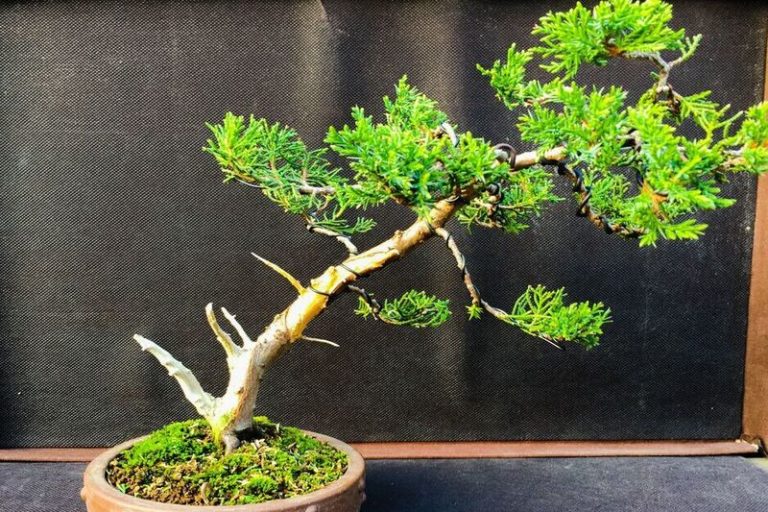
Rocky Mountain Juniper makes an excellent bonsai tree because of its naturally twisted trunk, dense foliage, and ability to tolerate harsh conditions. Here’s how to care for one:
Choosing Your Bonsai
You can either collect a small juniper from the wild (where legal and permitted) or purchase a nursery-grown specimen. Look for trees with interesting trunk movement and good taper. Yamadori (collected trees) often have the most character but require expert care.
Light Requirements
Place your bonsai outdoors in full sun. Rocky Mountain Juniper needs at least 6 hours of direct sunlight daily. It’s an outdoor tree and will not survive indoors long-term, even near a window.
Watering
When to water: Check soil daily by inserting your finger about an inch deep. Water when the top inch feels dry.
How to water: Water thoroughly until it drains from the bottom holes. Use a watering can with a fine rose to avoid disturbing the soil.
Frequency: Daily in summer heat, every 2-3 days in spring/fall, less frequently in winter. Never let it completely dry out.
Soil Mix
Use a well-draining bonsai soil mix containing:
- 40% akadama (Japanese bonsai soil)
- 30% pumice
- 30% lava rock
This mix prevents root rot while retaining enough moisture. Avoid regular potting soil, which stays too wet.
Fertilizing
Growing season (spring-fall): Apply balanced liquid fertilizer (like 10-10-10) every two weeks at half strength.
Winter: Reduce to once monthly or stop entirely if the tree is dormant.
Organic option: Use fish emulsion or diluted compost tea as a natural alternative.
Pruning and Shaping
Maintenance pruning: Pinch back new growth throughout the growing season to maintain shape. Remove about 1/3 of new shoots.
Structural pruning: Do major branch removal in late winter or early spring before new growth starts.
Technique: Always leave some foliage on branches—junipers won’t sprout from bare wood.
Wiring
Wire branches in late fall or winter when growth slows. Use aluminum or copper wire, wrapping at a 45-degree angle. Check wires every few weeks and remove before they cut into the bark (usually after 6-8 months).
Repotting
Frequency: Every 2-3 years for young trees, every 3-5 years for mature bonsai.
Best time: Early spring, just before new growth begins.
Process:
- Remove tree from pot and gently comb out roots
- Trim about 1/3 of the root mass
- Replant in fresh bonsai soil
- Water thoroughly and protect from harsh sun for 2 weeks
Winter Care
Rocky Mountain Juniper is cold-hardy but needs protection when in a shallow bonsai pot:
- Place on the ground or in an unheated garage when temperatures drop below 15°F
- Protect from harsh winter winds
- Water occasionally—don’t let roots freeze solid for extended periods
- Avoid bringing indoors (temperature fluctuations harm the tree)
Common Problems
Browning foliage: Usually from overwatering, underwatering, or spider mites. Check soil moisture and inspect for tiny webbing.
Weak growth: Not enough sun or needs fertilizer. Move to brighter location and resume feeding schedule.
Branch dieback: Can occur if too much foliage was removed at once. Always leave adequate foliage for photosynthesis.
Styling Tips
Rocky Mountain Juniper looks best in these bonsai styles:
- Informal upright – Natural, slightly curved trunk
- Slanting – Trunk leans to one side
- Windswept – All branches sweep in one direction
- Literati – Artistic, sparse foliage on twisted trunk
The naturally rugged appearance of this species lends itself to dramatic, weathered-looking designs.
Quick Care Summary Table
| Care Aspect | Requirement |
|---|---|
| Light | Full sun, 6+ hours daily |
| Location | Outdoors year-round |
| Water | When top inch of soil dries |
| Soil | Fast-draining bonsai mix |
| Fertilizer | Every 2 weeks (spring-fall) |
| Repotting | Every 2-3 years |
| Pruning | Pinch throughout growing season |
| Winter Care | Protect roots below 15°F |
| Difficulty | Beginner to intermediate |
With proper care, a Rocky Mountain Juniper bonsai can live for decades and become a treasured piece of living art that connects you to the rugged beauty of the western mountains.
Resources for Learning More
Books: “Trees and Shrubs of the Southwest Uplands” by Francis H. Elmore and “Rocky Mountain Tree Finder” by Tom Watts are excellent field guides.
Websites: Check out the USDA Plants Database (plants.usda.gov) for distribution maps and the Lady Bird Johnson Wildflower Center (wildflower.org) for cultivation tips.
Apps: Download iNaturalist, PlantNet, or Picture This for instant tree identification using your phone camera.
Local: Visit your state’s extension office, local nature centers, or national park visitor centers for free information and guided walks.
Is Rocky Mountain Juniper the same as cedar?
No. People may call it “cedar,” but it’s actually a juniper, not a true cedar.
Are juniper berries poisonous?
Rocky Mountain Juniper berries aren’t poisonous in small amounts, but they taste bad. Some other junipers can upset your stomach. Birds can eat them safely.
How do you tell if a juniper is male or female?
Female trees make blue berry-like cones. Male trees make tiny brown cones with pollen. You can only tell once the tree is old enough.
Frequently Asked Questions (FAQ)
Why is my juniper turning brown?
Common causes: too much water, too little water, winter damage, disease, or spider mites. Some browning inside the plant is normal.
How fast do they grow?
Very slowly. It can take 10–15 years to reach about 6 feet.
Can I prune it?
Yes, but lightly. Trim in late winter or early spring. Don’t cut into bare wood.
Do junipers attract mosquitoes?
No. Mosquitoes go to standing water and people, not junipers.
Is it good firewood?
It burns hot but smokes a lot and pops. Good for campfires, not great for indoor stoves.
Can it grow in containers?
Yes, if the pot is large, drains well, and the plant is protected in winter.
How far do the roots spread?
Roots usually spread 1.5–2 times wider than the tree’s canopy and can grow deep. Keep them away from buildings and pipes.
Conclusion
Rocky Mountain Juniper may not be the flashiest tree in the forest, but it’s one of the toughest. This remarkable tree survives for centuries in harsh conditions, providing food and shelter for wildlife while preventing soil erosion on rocky slopes.
Next time you see one of these twisted, gnarly trees clinging to a mountainside, take a moment to appreciate it. That trunk represents decades or centuries of quietly surviving everything nature can throw at it – a true symbol of resilience in the American West.
Note: This article is intended for educational purposes. Always consult with local experts before harvesting or using wild plants. Some areas have regulations about collecting plant materials from public lands.
Also Read: