Azalea Bonsai: Miniature Beauty and Floral Splendor
Azalea bonsai are tiny works of art that bring the beauty of flowering shrubs into your home in a form that is easy to care for. Growing these little trees is more than just a hobby; it’s an art form that pays off. We’ll show you the steps, tools, and care you need to take care of your own Azalea bonsai, even if you’ve never done it before.
What is an Azalea Bonsai
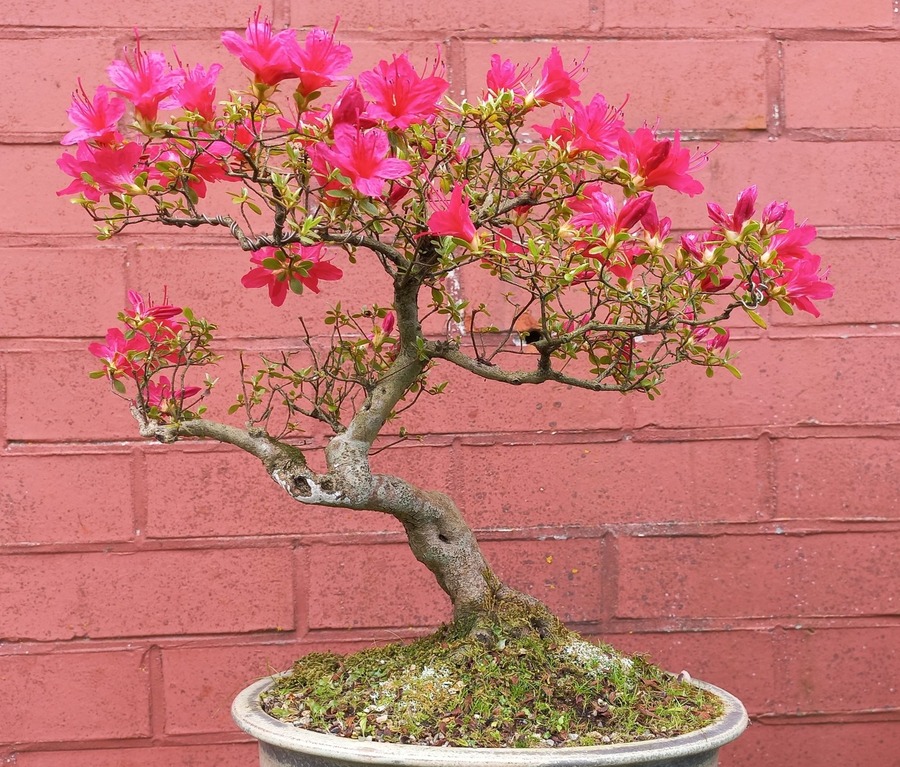
An Azalea Bonsai is a small, cultivated version of an azalea shrub, created through careful pruning and shaping techniques. It has the look of a full-grown azalea bush, but it is much smaller. Bonsai fans use special techniques to keep the plants small while keeping their natural beauty and spectacular flowers.
Azaleas (Rhododendron species) are flowering shrubs known for their stunning blooms that cover the entire plant in spring. As bonsai, azaleas offer brilliant displays of pink, red, white, purple, or orange flowers, often completely covering the small branches. The flowers can be single or double-petaled, and some varieties are delightfully fragrant.
History and Origins of the Azalea Bonsai
Bonsai has been around for more than a thousand years, and Azalea Bonsai have been grown for that long. Bonsai is an art form that started in China and was later taken up and improved by the Japanese.
Ancient China: In ancient China, tiny landscapes and trees were grown in pots in ways that were similar to bonsai. These early styles of bonsai paved the way for the art we know today. Flowering plants like azaleas were particularly prized for their seasonal beauty.
Bonsai in Japan: Japan got bonsai at some point, most likely during the Tang Dynasty (618 to 907 AD). The Japanese loved bonsai and made it their own by adding their own methods and styles. Over many years, Japan became the center of growing and perfecting bonsai.
By the time of Kamakura (1185 to 1333), the Japanese had created their own unique types of bonsai. Japanese culture had a big impact on the art form because it values balance, harmony, and simplicity. The upper class grew bonsai as a sign of their wealth and status.
Azalea Bonsai Popularity: Azaleas are native to Asia, particularly Japan and China, where they grow naturally in mountainous regions. Japanese bonsai masters recognized the beauty of azalea flowers and began cultivating them as bonsai centuries ago. The Satsuki azalea, developed specifically in Japan, became the most popular variety for bonsai because of its small leaves, abundant flowers, and ability to bloom on old wood.
Modern Era: In the 20th century, bonsai, like Azalea Bonsai, became popular all over the world. The broad bonsai community we see today came about when bonsai fans all over the world accepted different styles, techniques, and species. Azalea bonsai are now among the most popular flowering bonsai worldwide.
Today, Azalea Bonsai show how the art form of bonsai has changed and grown over time. Growers keep improving their methods to make sure that these tiny flowering shrubs keep their beauty and artistic value in the world of bonsai.
Azalea Bonsai and Their Symbolism
Like other bonsai plants, azalea trees have deep meanings that come from their old roots. These little flowering plants stand for the following:
1. Beauty and Femininity:
Azalea flowers symbolize feminine beauty, grace, and elegance. The delicate blooms represent soft strength and the beauty that comes from gentleness. In many cultures, azaleas are associated with femininity and womanhood.
2. Patience and Care:
To grow bonsai, you need to be patient and dedicated. The careful and slow shape of an Azalea Bonsai is a metaphor for being patient and persistent. Fans are reminded that beautiful things take time to grow and develop, which teaches them how important it is to keep going even when things get hard.
3. Temperance and Moderation:
In the Victorian language of flowers, azaleas symbolize temperance and taking care of yourself. This reminds us to practice moderation in all aspects of life and to nurture our own wellbeing.
4. Fragile Passion:
The brilliant but brief flower display represents passionate beauty that is temporary. This teaches us to appreciate beautiful moments while they last, as nothing stays the same forever.
5. Home and Family:
In Chinese culture, azaleas are symbols of womanhood and home. They represent family happiness and domestic harmony. An azalea bonsai in the home is thought to bring peace and joy to the family.
6. Abundance and Celebration:
When an azalea blooms, it produces so many flowers that they often completely cover the plant. This abundance symbolizes prosperity, celebration, and the fullness of life. It reminds us to celebrate life’s beautiful moments.
Azalea bonsai stand for beauty, patience, temperance, passion, family, and abundance. Many people enjoy growing and admiring these tiny flowering plants because they look nice, but they also teach people important lessons about life and hold cultural significance.
How to Grow Azalea Bonsai
Growing an Azalea Bonsai can be a rewarding and meditative experience. Here’s a step-by-step guide to help you get started:
1. Choose the Right Azalea Variety:
Select an azalea variety suitable for bonsai, such as Satsuki azalea (Rhododendron indicum) or Kurume azalea. These varieties have smaller leaves and abundant flowers that work well for bonsai. Satsuki is most popular because it blooms on old wood and has excellent bonsai characteristics.
2. Select the Right Container:
Choose a shallow and wide pot with drainage holes. The pot should be large enough to accommodate the roots but not excessively large to maintain the plant’s miniature size. Azaleas prefer slightly deeper pots than many other bonsai because of their fine root system.
3. Prepare the Potting Mix:
Use acidic, well-draining soil. Azaleas require acidic soil with pH 4.5 to 6.0. A good mix is 50% kanuma (Japanese acidic clay), 30% akadama, and 20% peat moss or composted pine bark. This mix ensures good drainage while maintaining acidity that azaleas need.
4. Planting the Bonsai:
Carefully remove the plant from its nursery pot, ensuring not to disturb the fine roots excessively. Azaleas have very fine, hair-like roots that are delicate. Trim any long or damaged roots gently. Place a layer of soil in the bottom of the bonsai pot and position the plant on it. Fill the remaining space with the prepared potting mix, gently pressing down to remove air pockets.
5. Pruning and Shaping:
Prune excess branches and leaves, promoting a balanced and natural appearance. Use sharp and clean bonsai scissors to make precise cuts. Pruning helps shape the plant and maintain its miniature size. Important: Prune azaleas immediately after flowering, as next year’s flower buds form on new growth.
6. Wiring and Shaping:
Use soft aluminum wire to gently guide branches into desired shapes. Avoid wrapping the wire too tightly to prevent damage. Azalea branches are somewhat brittle, so wire carefully. Regularly check the wiring to ensure it does not cut into the bark as the plant grows.
7. Watering and Feeding:
Water the bonsai thoroughly when the topsoil feels slightly dry. Azaleas need consistent moisture but not waterlogged soil. Use rainwater or distilled water if your tap water is hard or alkaline, as azaleas are sensitive to high pH. Fertilize during the growing season (spring and summer) with acid-loving plant fertilizer, following the recommended dosage on the package.
8. Sunlight and Temperature:
Place the azalea bonsai where it receives morning sunlight and afternoon shade. Azaleas prefer bright but not intense light. About 4 to 6 hours of morning sun is ideal. Protect from hot afternoon sun which can scorch leaves. Azaleas are hardy but prefer cool to moderate temperatures.
9. Regular Maintenance:
Monitor the plant regularly for pests, such as aphids, spider mites, or lace bugs. Treat any infestations promptly. Repot the bonsai every 2 to 3 years, refreshing the soil and pruning the roots slightly to encourage new growth. Always use acidic soil when repotting.
10. Patience and Observation:
Bonsai, including Azalea Bonsai, require time and patience to develop their desired shape and flower display. Observe the plant’s growth patterns and adjust your care techniques accordingly. The spectacular flower show makes all the effort worthwhile.
Remember, growing an Azalea Bonsai is a long-term commitment that requires dedication and attention. With proper care and patience, you can cultivate a beautiful and harmonious miniature flowering plant to adorn your living space.
Displaying and Showcasing the Azalea Bonsai
Displaying and showcasing your Azalea Bonsai is an art in itself, enhancing the plant’s beauty while complementing your living space. Here are some creative ideas to display your Azalea Bonsai effectively:
1. Choose the Right Stand or Table:
Choose a stand or table that is strong, looks good, and goes with the style of your Azalea Bonsai. Think about stands made of wood, pottery, or metal that will make the plant look better. During bloom time, a simple stand allows the flowers to be the star.
2. Select a Suitable Pot:
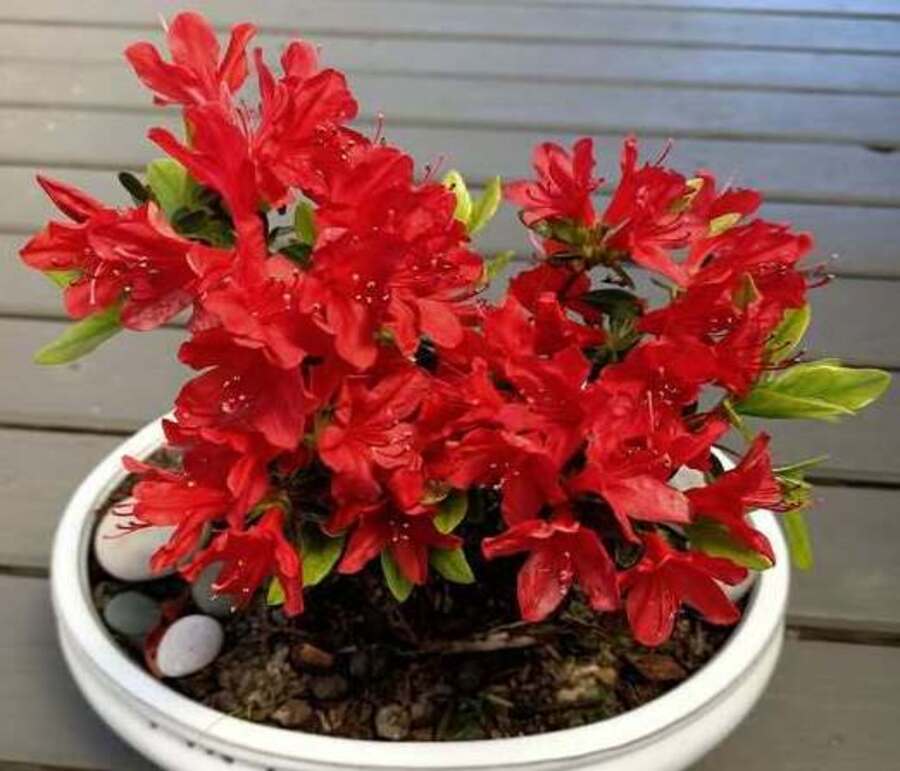
Pick a pretty bonsai pot that goes with the flower color. With azalea blooms ranging from white to deep purple, choose pot colors that complement without competing. Unglazed pots in earth tones work well, or glazed pots in subtle colors that match the flowers.
3. Use Accent Elements:
Add small decorative stones, moss, or tiny figures as accents to make the display look better. These things give the space a charming touch and make it look more natural. Moss covering the soil surface looks particularly nice and helps maintain soil moisture.
4. Proper Lighting:
Put your Azalea Bonsai somewhere bright to make it look its best. Morning sunlight with afternoon shade is ideal. Avoid direct hot afternoon sun which can fade flowers and damage leaves. During bloom time, position where flowers can be fully appreciated.
5. Rotate the Plant:
To make sure the bonsai grows evenly, turn it every so often. This keeps the plant from bending in one direction and makes sure that all of its sides get enough sunlight. However, once flowers begin opening, avoid moving the plant as this can cause bud drop.
6. Seasonal Display Changes:
Accept that the seasons are changing by using seasonal features. During spectacular spring bloom, make the azalea the centerpiece of your display. After flowering, appreciate the neat foliage and branch structure. Use seasonal accent plants to complement different times of year.
7. Grouping Bonsai:
Putting your bonsai together in a group might make them look better if you have more than one. Azaleas pair beautifully with evergreen bonsai that provide contrast. Change the styles and heights to make a balanced arrangement.
8. Regular Maintenance:
Make sure the show area is neat and clean. Remove spent flowers promptly to keep the display looking fresh. Regularly clean out the pot of dead leaves and other debris. Keep the moss healthy and green.
9. Showcasing During Bonsai Exhibitions:
When you show off your bonsai, pay attention to how the whole thing is put together. Azaleas are often showcased during peak bloom in spring exhibitions. To make a nice show, use the right display tables, accent pieces, and backgrounds. Make sure there is enough light to show off the spectacular flowers.
10. Share Your Passion:
Tell your family and friends about your Azalea bonsai and how to take care of it. Your excitement will make the plant more meaningful and make it an interesting topic of discussion. Share photos of the flower display during bloom season.
Remember that the way you show off your Azalea Bonsai shows how creative you are and how much you value this old art form. Play around with different arrangements and elements to make a beautiful display that shows off the beauty of your tiny flowering plant, especially during the spectacular bloom season.
How to Care for and Maintain an Azalea Bonsai
Caring for an Azalea Bonsai requires attention to detail and consistent care. Here’s a comprehensive guide to help you maintain your plant’s health and beauty:
1. Watering:
Frequency: Water your Azalea Bonsai thoroughly when the topsoil feels slightly dry. The frequency of watering depends on factors like climate, pot size, and plant age. Check the soil moisture daily during growing season. Azaleas need consistent moisture and should never completely dry out.
Watering Technique: Water the plant gently and evenly, ensuring water reaches all parts of the root system. Use a watering can with a fine nozzle to avoid disturbing the soil. Use rainwater, distilled water, or filtered water if your tap water is alkaline (high pH), as azaleas require acidic conditions.
2. Lighting:
Sunlight: Azalea Bonsai need bright light but not intense direct sun. Place your plant where it receives 4 to 6 hours of morning sunlight with afternoon shade. Too much direct sun, especially afternoon sun, can scorch leaves and fade flowers.
Seasonal Adjustments: During hot summers, provide more shade to protect delicate leaves. In spring during bloom time, ensure adequate light to support flower development. In winter, the dormant plant needs less intense light but should still be in a bright location.
3. Temperature and Humidity:
Temperature: Azalea Bonsai prefer cool to moderate temperatures. They are hardy to about 20°F but prefer temperatures between 40°F to 75°F. Protect from extreme heat above 85°F. Many varieties need winter chill (temperatures below 45°F for several weeks) to set flower buds properly.
Humidity: Azaleas prefer higher humidity. Mist the foliage regularly, especially if you live in a dry climate. You can also place the pot on a tray filled with water and pebbles to increase humidity around the plant. Avoid misting open flowers as this can cause spotting.
4. Pruning and Shaping:
Regular Pruning: Prune the plant immediately after flowering ends (late spring to early summer). This timing is critical because azaleas set next year’s flower buds on new growth during summer. Remove dead or unhealthy branches and trim excess growth. Use sharp and clean bonsai scissors or pruning shears for precise cuts.
Pinching: After flowering, pinch back new growth tips to encourage branching and create a denser foliage canopy. This also helps develop more flower buds for next year’s bloom.
5. Fertilization:
Fertilizer Type: Use fertilizer specifically designed for acid-loving plants (azalea, camellia, rhododendron fertilizer). Fertilize your Azalea Bonsai during the growing season from after flowering through late summer.
Application: Dilute the fertilizer to half the recommended strength and apply every 2 to 3 weeks when the soil is moist. Stop fertilizing in late summer to allow the plant to harden off before winter. Do not fertilize during flowering as this can shorten bloom time. Resume light feeding after flowers fade.
6. Repotting:
Timing: Repot your Azalea Bonsai every 2 to 3 years, right after flowering ends in late spring or early summer. This gives the plant time to establish before winter.
Root Pruning: Trim the roots gently. Azalea roots are very fine and delicate. Remove about 20 to 30% of the root mass, being careful not to damage too many fine roots. Always use fresh acidic soil (kanuma or similar) during repotting. The soil pH is critical for azalea health.
7. Pest and Disease Control:
Vigilance: Regularly inspect your plant for signs of pests like aphids, spider mites, lace bugs, or scale insects. Azaleas can also suffer from root rot if overwatered or vine weevils that eat roots.
Preventive Measures: Keep your plant clean, well-ventilated, and avoid overwatering to prevent common bonsai pests and diseases. Watch for petal blight (fungal disease) during flowering in humid conditions. Remove affected flowers immediately.
8. Training and Wiring:
Wiring: Use soft aluminum wire to gently shape branches. Azalea branches are somewhat brittle and can snap easily, so work carefully. Check the wiring regularly to prevent it from cutting into the bark. Best time to wire is after flowering when branches are slightly more flexible.
Training: Train your Azalea Bonsai by guiding its growth with strategic pruning and wiring. Patience is essential; shaping a bonsai takes time and gradual adjustments. Remember to prune immediately after flowering to maintain flower bud development for next year.
9. Soil Acidity Management:
pH Monitoring: Test your soil pH annually. Azaleas require acidic soil (pH 4.5 to 6.0). If pH rises above 6.5, azaleas develop chlorosis (yellowing leaves) because they cannot absorb iron from alkaline soil.
pH Adjustment: If pH becomes too high, apply iron chelate or aluminum sulfate to lower it. Always water with acidic water (rainwater is naturally slightly acidic). Avoid tap water if it is hard or alkaline.
10. Regular Observation and Adjustment:
Observation: Observe your plant closely. Notice how it responds to different conditions, including changes in light, temperature, and watering. Watch for yellowing leaves (indicates pH problems or overwatering), leaf drop, or lack of flower buds.
Seasonal Care: Adjust care based on seasons. After flowering, focus on growth and development. In late summer, allow the plant to slow down. In winter, provide cool temperatures and reduced watering. In early spring, anticipate the spectacular flower show.
Remember, each Azalea Bonsai is unique, and its care requirements might vary based on its specific environment and individual characteristics. Regular attention, patience, and a watchful eye will help you maintain a healthy and thriving Azalea Bonsai that brings spectacular flowering beauty into your living space.
Azalea Bonsai Care Sheet Table
| Aspect | Care Tips |
|---|---|
| Watering | Keep soil consistently moist but not waterlogged. Water when top feels slightly dry. Use rainwater or distilled water if tap water is alkaline. Daily checking recommended. |
| Sunlight | Morning sun (4 to 6 hours) with afternoon shade. Protect from intense direct sun which can scorch leaves and fade flowers. Bright indirect light is ideal. |
| Temperature | Prefers 40°F to 75°F. Hardy to about 20°F. Needs winter chill below 45°F for several weeks to set flower buds. Protect from extreme heat above 85°F. |
| Humidity | Prefers higher humidity. Mist foliage regularly (but not open flowers). Use humidity tray with pebbles and water. Ideal humidity 50 to 60%. |
| Fertilization | Use acid-loving plant fertilizer at half strength. Fertilize every 2 to 3 weeks after flowering through late summer. Do not feed during flowering or winter dormancy. |
| Pruning and Trimming | Prune immediately after flowering ends (late spring/early summer). This timing is critical for next year’s flowers. Pinch new growth tips. Remove spent flowers promptly. |
| Wiring and Styling | Wire carefully after flowering. Branches are brittle. Use soft aluminum wire. Check regularly to prevent wire cutting into bark. Remove wire before it bites. |
| Repotting | Repot every 2 to 3 years right after flowering. Use acidic soil (kanuma or similar). Trim roots gently as they are very fine. Maintain soil pH 4.5 to 6.0. |
| Pest and Disease Control | Watch for aphids, spider mites, lace bugs, scale, and vine weevils. Treat with appropriate insecticide. Monitor for petal blight during flowering. Prevent root rot through proper watering. |
| Soil Acidity | Critical: Maintain acidic soil pH 4.5 to 6.0. Test pH annually. Use acidic water. Apply iron chelate if leaves yellow. Never use alkaline water or soil. |
| Regular Maintenance | Remove spent flowers promptly. Check daily for moisture needs. Monitor leaf color (yellowing indicates pH problems). Appreciate spectacular spring bloom. Adjust care seasonally. |
Keep in mind that every Azalea Bonsai may have different care needs. Change how you care for your plants based on what they need and how they respond to your care. For bonsai to do well, they need to be watched and adjusted on a regular basis. Soil acidity is the most critical factor for azalea success.
Conclusion
An Azalea bonsai is a fun project that teaches you how to be patient and take care of something. You can start your own Bonsai adventure now that you have this easy plan. So, get your hands dirty and take care of your plant. Soon, it will reward you with a spectacular flower display that covers the tiny branches in brilliant blooms, bringing joy and beauty to your home. The patience you invest throughout the year is repaid abundantly when spring arrives and flowers cover your little azalea. Good luck with your bonsai!
FAQ
1. Can I grow an azalea as a bonsai?
Yes, you can grow an azalea as a bonsai. Azaleas are among the most popular flowering bonsai. Satsuki and Kurume azaleas are especially well-suited for bonsai because of their small leaves, abundant flowers, and ability to bloom on old wood.
2. What type of azalea is best for bonsai?
Satsuki azaleas (Rhododendron indicum) are the most popular for bonsai. They have small leaves, produce abundant flowers, bloom on old wood, and were specifically developed in Japan for bonsai. Kurume azaleas are also excellent for bonsai with similar characteristics.
3. How do I care for an azalea bonsai?
Azalea bonsai care involves using acidic soil and water, providing morning sun with afternoon shade, keeping soil consistently moist, pruning immediately after flowering, and protecting from extreme temperatures. Refer to the care sheet provided earlier for detailed instructions. Maintaining proper soil acidity is the most critical factor.
4. Can I grow an azalea bonsai indoors?
Azaleas are best grown outdoors but can be brought indoors temporarily during flowering to enjoy the blooms. They need outdoor conditions, seasonal temperature changes, and winter chill to set flower buds properly. Year-round indoor growing usually fails.
5. When should I repot my azalea bonsai?
Repot your azalea bonsai every 2 to 3 years immediately after flowering ends (late spring to early summer). This timing allows the plant to recover and develop before winter. Always use fresh acidic soil (kanuma or similar) with pH 4.5 to 6.0.
6. Why are my azalea leaves turning yellow?
Yellowing leaves usually indicate the soil pH is too high (above 6.5). Azaleas need acidic soil and cannot absorb iron from alkaline soil, causing chlorosis. Test your soil pH and lower it with iron chelate or aluminum sulfate if needed. Also check for overwatering which can cause yellowing.
7. When do azalea bonsai bloom?
Most azalea bonsai bloom in spring (April to June depending on variety and location). Satsuki azaleas typically bloom in late spring to early summer. The spectacular flower display lasts 2 to 4 weeks. Proper winter chilling and summer bud development are necessary for good flowering.
8. How do I shape my azalea bonsai through pruning?
Prune immediately after flowering ends. This timing is critical because azaleas develop next year’s flower buds on new growth during summer. Pruning too late (after July) removes developing flower buds. Remove dead branches, thin crowded areas, and pinch new growth tips to encourage branching.
9. What water should I use for azalea bonsai?
Use rainwater, distilled water, or filtered water. Avoid tap water if it is hard or alkaline (high pH) as this will raise soil pH over time and cause yellowing leaves. Azaleas are very sensitive to water quality and need slightly acidic water.
10. Why didn’t my azalea bloom this year?
Common reasons include insufficient winter chill (needs temperatures below 45°F for several weeks), pruning too late in previous year (removed flower buds), insufficient light during bud development, improper fertilization, or stress from repotting, pests, or disease. Azaleas need proper care all year to bloom well.
Resources for Learning More
Books:
- “Satsuki Bonsai” by Robert Callaham
- “Bonsai Techniques I & II” by John Naka
Online:
- Bonsai Empire (bonsaiempire.com)
- American Bonsai Society (absbonsai.org)
Community:
- Local bonsai clubs
- Azalea and rhododendron societies
Also Read: