Organic Farming Methods for Beginners: A Simple Guide to Getting Started
Are you thinking about starting an organic farm? Organic farming is a way to grow food without using chemicals. It’s better for the earth, better for your health, and can even save you money. This guide will help you understand how to start organic farming, even if you’ve never done it before.
What is Organic Farming?
No Chemicals
No synthetic pesticides or fertilizers used
Eco-Friendly
Protects the environment and wildlife
Healthy Soil
Builds rich, nutritious soil naturally
Better Food
Grows nutritious, chemical-free produce
Understanding Your Soil
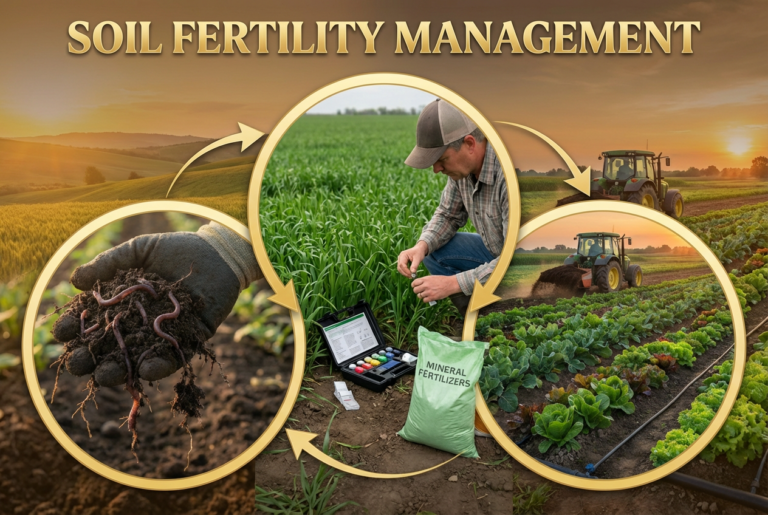
The soil is the most important part of organic farming. Healthy soil grows healthy plants. Before you start planting, you should test your soil. You can buy a simple soil test kit online or at a garden store.
The test will tell you what nutrients your soil needs. Good soil should have the right balance of nutrients and should drain water well but also hold some moisture.
Dark, crumbly soil that smells earthy is usually healthy soil. If your soil is hard, light-colored, or doesn’t have many worms, it needs improvement.
5 Essential Steps to Start Organic Farming
🧪 Test Your Soil
Get a soil test kit and check what nutrients your soil needs. Look for dark, crumbly soil with earthworms.
♻️ Make Compost
Create compost from kitchen scraps, leaves, and yard waste. This becomes natural fertilizer for your plants.
🌾 Choose Easy Crops
Start with simple plants like lettuce, radishes, beans, and tomatoes that grow well for beginners.
🐛 Control Pests Naturally
Use companion planting, attract beneficial insects, and handpick pests instead of using chemicals.
💧 Water Wisely
Water in the morning, use drip irrigation, and add mulch to keep soil moist and prevent weeds.
Making Your Soil Better with Compost
Compost is like food for your soil. It’s made from things like vegetable scraps, leaves, grass clippings, and other plant materials. When these materials break down, they turn into rich, dark compost.
To make compost, you need a compost bin or just a pile in your yard. Add your kitchen scraps, yard waste, and a little water. Mix it every few weeks. In a few months, you’ll have beautiful compost.
Add compost to your garden beds before planting. It feeds your plants and helps the soil hold water. Compost also brings helpful bacteria and worms to your soil.
Natural Fertilizers for Your Plants
Since organic farming doesn’t use chemical fertilizers, you need natural alternatives. There are many good options that work just as well.
Manure from animals like chickens, cows, or horses makes excellent fertilizer. Make sure the manure is aged or composted first. Fresh manure can burn your plants.
Bone meal adds phosphorus to your soil, which helps roots grow strong. Blood meal adds nitrogen, which makes leaves green and healthy. Fish emulsion is another good organic fertilizer that plants love.
You can also grow cover crops like clover or alfalfa. These plants add nutrients back into the soil. When you till them into the ground, they become natural fertilizer.
Natural Pest Control Methods
Companion Planting
Plant marigolds with tomatoes, basil with peppers to repel pests naturally
Beneficial Insects
Attract ladybugs and praying mantises that eat harmful pests
Handpicking
Remove pests by hand each morning and drop them in soapy water
Natural Sprays
Use neem oil or garlic spray to keep pests away safely
Managing Weeds Naturally
Weeds compete with your crops for water, nutrients, and sunlight. In organic farming, you can’t use chemical weed killers, so you need other methods.
Mulching is one of the best ways to stop weeds. Cover the soil around your plants with straw, wood chips, or leaves. This blocks sunlight so weeds can’t grow. Mulch also keeps the soil moist and adds nutrients as it breaks down.
Hand weeding is the most basic method. Pull weeds when they’re small, before they make seeds. Do this regularly, and weeds won’t become a big problem.
You can also use a hoe to scrape weeds off the surface of the soil. This is faster than hand pulling and works well between rows.
Crop Rotation for Healthy Soil
Crop rotation means planting different crops in the same spot each year. This is very important in organic farming because it keeps the soil healthy and reduces pests and diseases.
Different plants use different nutrients from the soil. If you plant tomatoes in the same spot every year, the soil loses the nutrients tomatoes need. But if you rotate crops, the soil stays balanced.
Rotation also breaks pest cycles. Many pests only attack certain plants. If those plants aren’t there next year, the pests can’t survive.
A simple rotation is to follow heavy feeders like tomatoes with light feeders like carrots, then with soil builders like beans. Beans actually add nitrogen back to the soil.
Why Choose Organic Farming?
Environment
Protects bees, birds, and wildlife. Reduces pollution and builds healthy ecosystems.
Health
No chemical residues on your food. More nutrients and better taste in produce.
Money
Save on chemicals. Sell organic produce at higher prices at markets.
Wellness
Good exercise, reduces stress, and connects you with nature.
Watering Your Organic Garden
Water is essential for all plants, but how you water matters. Watering in the early morning is best because plants can absorb the water before the hot sun comes out. This also prevents diseases that thrive in damp conditions overnight.
Drip irrigation or soaker hoses are better than sprinklers. They put water right at the roots where plants need it. They also use less water and keep leaves dry, which prevents disease.
Mulch helps keep moisture in the soil so you don’t have to water as often. In hot weather, check the soil daily. Stick your finger in the dirt. If it’s dry below the surface, it’s time to water.
Choosing the Right Plants
When you’re starting out, choose plants that grow well in your area. Talk to neighbors who garden or visit your local farmers market to see what grows well nearby.
Some easy crops for beginners include lettuce, radishes, beans, tomatoes, and zucchini. These plants grow quickly and don’t need much special care.
Buy organic seeds or seedlings when possible. This ensures you’re starting with plants that haven’t been treated with chemicals.
Heirloom varieties are often good choices for organic farming. These are old plant varieties that have been passed down for generations. They’re often more resistant to pests and diseases than modern varieties.
Essential Tools for Beginners
Spade
For digging
Hoe
For weeding
Rake
For leveling soil
Hand Trowel
For planting
Wheelbarrow
For moving materials
Gloves
For protection
Watering Can
For watering plants
Measuring Tools
For spacing
Starting Small and Learning
The most important advice for beginning organic farmers is to start small. Don’t try to farm a huge area in your first year. A small garden or a few raised beds are perfect for learning.
As you gain experience, you’ll learn what works in your specific location. Every piece of land is different. What works for someone else might not work exactly the same for you.
Keep notes about what you plant, when you plant it, and how well it grows. This information will help you improve each year.
Don’t get discouraged if some things don’t work. Even experienced farmers have failures. Each mistake teaches you something valuable.
Getting Your Organic Certification
If you want to sell your produce as certified organic, you’ll need to follow specific rules and get certified. The certification process takes time and costs money, but it allows you to use the organic label.
You don’t need certification if you’re just growing for yourself or selling at small local markets. Many farmers start small and get certified later when their farm grows.
The certification requires keeping detailed records of everything you do on your farm. You’ll need to show that you haven’t used prohibited chemicals for at least three years.
Connecting with Other Organic Farmers
Learning from other organic farmers can help you avoid mistakes and discover new techniques. Look for local gardening clubs or organic farming groups in your area.
Many experienced farmers are happy to share their knowledge with beginners. Don’t be afraid to ask questions.
Online forums and videos can also teach you a lot. But remember that farming advice needs to match your local climate and conditions.
The Rewards of Organic Farming
Organic farming takes more work than using chemicals, but the rewards are worth it. You’ll grow delicious, healthy food for your family. You’ll know exactly where your food comes from and what went into growing it.
You’ll also help protect the environment. Organic farming builds healthy soil, protects water supplies, and creates habitat for wildlife.
Many people find organic farming deeply satisfying. Working with the soil and watching plants grow connects you to nature. It’s good exercise and can reduce stress.
Taking Your First Steps
Ready to start your organic farming journey? Begin by preparing a small plot of soil. Add compost and let it sit for a week or two. Then plant some easy crops like lettuce or beans.
Watch your plants grow. Pay attention to what they need. Learn from what happens. Soon you’ll be harvesting your own organic vegetables.
Organic farming is a journey of continuous learning. Each season brings new lessons. With patience and practice, you’ll develop the skills to grow abundant, healthy food naturally.
Start today, start small, and enjoy the process. Your organic farm is waiting to grow.
Frequently Asked Questions
🌾 In Brief
Organic farming offers a natural way to grow healthy food while protecting the environment. Start small with basic tools and focus on building healthy soil through compost and natural fertilizers. Use companion planting and beneficial insects to control pests naturally. With patience and practice, you’ll learn what works best in your location and develop the skills to grow abundant, chemical-free produce. Remember, healthy soil is the foundation of success, and improvement happens gradually over time. Start your organic farming journey today!
Also Read: