Agricultural Water Meter: A Simple Guide for Farmers
Water is one of the most important resources in agriculture. Without proper water management, crops can suffer and water can be wasted. An Agricultural Water Meter helps farmers measure how much water is used for irrigation. This helps in saving water, reducing costs, and improving crop production.
What Is an Agricultural Water Meter?
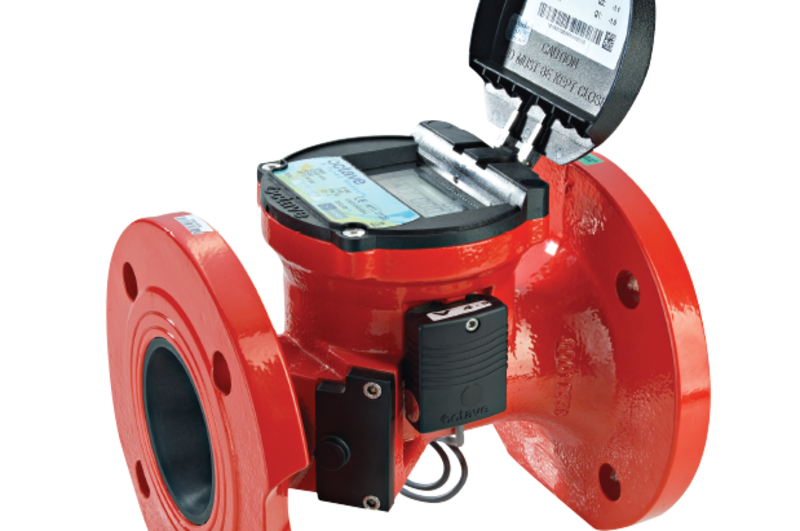
An Agricultural Water Meter is a device used to measure the amount of water used in farming. It is usually installed on pipelines, borewells, canals, or irrigation systems. The meter shows how much water flows through it over time.
These meters are specially designed for agricultural use and can handle large volumes of water.
Benefits of an Agricultural Water Meter
A. Accurate Measurements: One of the main benefits of an agricultural water meter is its accuracy in measuring water usage. With its advanced technology, the meter provides precise readings, allowing farmers to monitor their water usage and make informed decisions about water management practices.
B. Durability: Agricultural water meters are designed to withstand harsh outdoor conditions, ensuring they remain in good working order for years to come. Made from high-quality materials, they are built to last, reducing the need for frequent repairs or replacements.
C. Easy Installation: The installation of an agricultural water meter is simple and user-friendly, allowing farmers to quickly set it up in their irrigation system. This allows for real-time monitoring of water usage and helps farmers make informed decisions about water management practices.
D. Real-Time Data: Agricultural water meters provide real-time data on water usage, allowing farmers to monitor their water usage in real-time. This helps farmers optimize their water usage and conserve resources for a more sustainable agriculture operation.
E. Cost-Effectiveness: The use of an agricultural water meter helps farmers save money by avoiding over-irrigation and water waste. It also reduces the need for frequent repairs or replacements, saving farmers time and money in the long run.
Types of Agricultural Water Meters
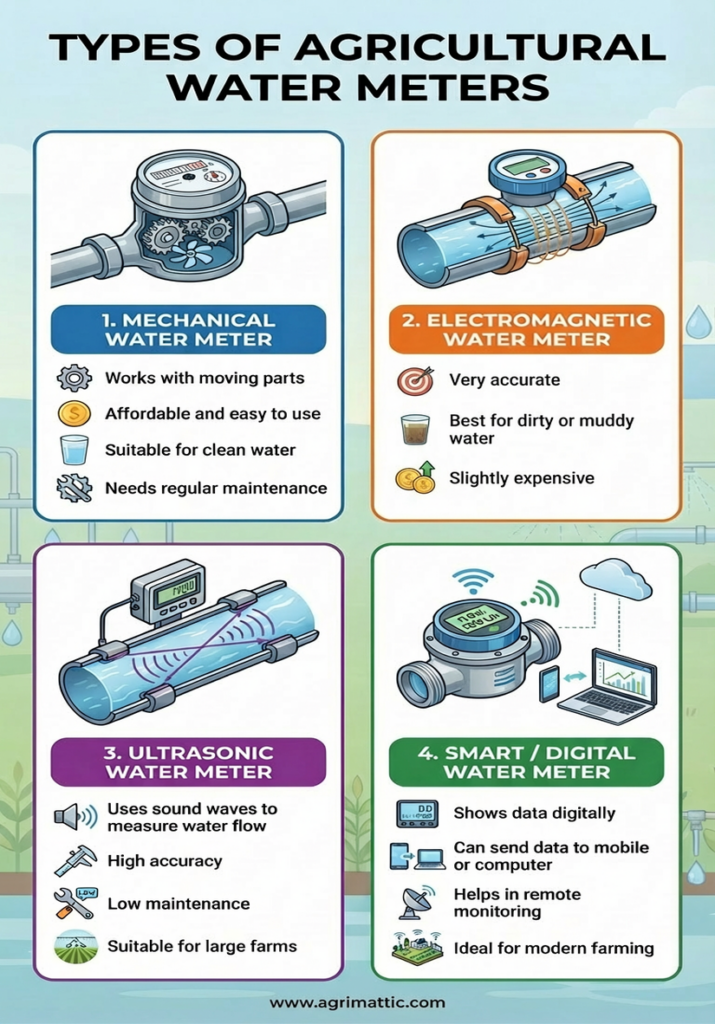
There are different types of agricultural water meters. The most common ones are:
1. Mechanical Water Meter
- Works with moving parts
- Affordable and easy to use
- Suitable for clean water
- Needs regular maintenance
2. Electromagnetic Water Meter
- No moving parts
- Very accurate
- Best for dirty or muddy water
- Slightly expensive
3. Ultrasonic Water Meter
- Uses sound waves to measure water flow
- High accuracy
- Low maintenance
- Suitable for large farms
4. Smart / Digital Water Meter
- Shows data digitally
- Can send data to mobile or computer
- Helps in remote monitoring
- Ideal for modern farming
How Does an Agricultural Water Meter Work?
An agricultural water meter measures the flow of water passing through a pipe. As water moves, the meter records the quantity and shows it in numbers. These readings help farmers understand daily, weekly, or monthly water usage.
Where Are Agricultural Water Meters Used?
Agricultural water meters are used in many places such as:
- Drip irrigation systems
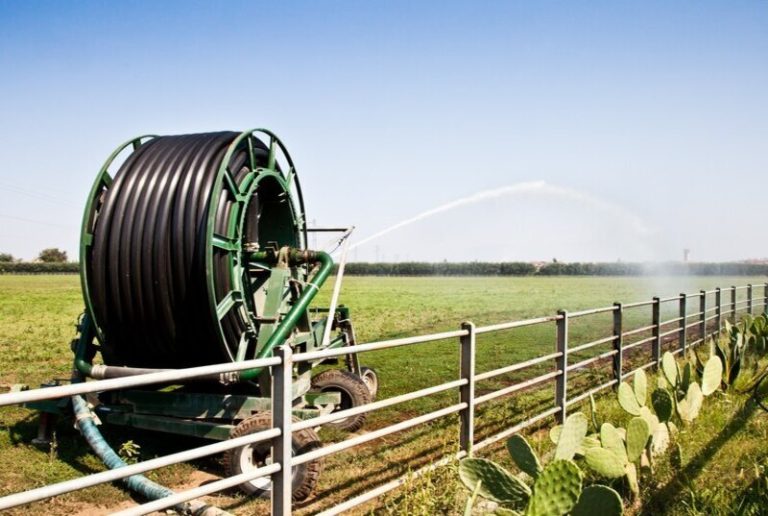
- Sprinkler irrigation
- Borewells and tube wells
- Canals and pipelines
- Large farms and greenhouses
Installation of Agricultural Water Meter
Proper installation is very important for correct readings.
Installation Tips:
- Install the meter on a straight pipe
- Avoid bends near the meter
- Ensure clean water flow
- Follow manufacturer instructions
- Test the meter after installation
Maintenance and Care
Agricultural water meters need simple maintenance to work properly.
Maintenance Tips:
- Check the meter regularly
- Clean dirt and sediments
- Protect from extreme heat and cold
- Repair or replace damaged parts
- Recalibrate if readings seem wrong
Smart Agricultural Water Meters
Smart water meters are becoming popular in modern farming. They allow farmers to:
- Monitor water usage remotely
- Get alerts on mobile
- Analyze water data
- Control irrigation efficiently
These meters help in precision agriculture and water conservation.
Government Rules and Subsidies
In many regions, governments encourage the use of agricultural water meters. Some benefits include:
- Subsidies on meter purchase
- Support for installation
- Mandatory usage in some areas
- Helps in fair water distribution
Farmers should check local government schemes for benefits.
How to Choose the Right Agricultural Water Meter
Before buying, consider the following:
- Type of water source
- Water flow rate
- Accuracy needed
- Budget
- Durability
- Brand and certification
Choosing the right meter ensures long-term benefits.
Cost of Agricultural Water Meter
The cost of agricultural water meters varies widely based on type and size:
Basic mechanical meters: $100-500
- Simple flow measurement
- Common for smaller operations
Ultrasonic/electromagnetic meters: $500-3,000+
- More accurate, no moving parts
- Better for large-scale operations
Smart/IoT-enabled meters: $1,000-5,000+
- Remote monitoring capabilities
- Data logging and analytics
Key cost factors:
- Pipe diameter (larger = more expensive)
- Flow rate capacity
- Accuracy requirements
- Installation costs (can add $200-1,000+)
- Maintenance and calibration
Many agricultural programs offer subsidies or rebates to encourage water monitoring and conservation, which can significantly offset costs.
Common Problems and Solutions
Problem: Wrong readings
Solution: Clean and recalibrate the meter
Problem: Blockage due to mud
Solution: Install a filter
Problem: Meter damage
Solution: Use protective casing
Frequently Asked Questions (FAQs)
Q1: Can agricultural water meters be used for borewells?
Yes, they are commonly used for borewells.
Q2: Are agricultural water meters accurate?
Yes, especially electromagnetic and ultrasonic meters.
Q3: Is it compulsory to install water meters?
In some areas, yes. It depends on government rules.
Conclusion
An Agricultural Water Meter is a very useful tool for modern farming. It helps farmers save water, reduce costs, and increase crop productivity. With growing water scarcity, using water meters is a smart step toward sustainable agriculture.
By choosing the right water meter and maintaining it well, farmers can protect water resources and improve their farming future.
Also Read :-