Bonsai Care: A Complete Beginner’s Guide
Have you ever seen a bonsai tree and thought, how can a tiny tree be real? Bonsai trees are small, beautiful, and very special. People have loved them for many years. But many beginners buy a bonsai and it dies soon. This happens because they don’t know how to take care of it.
The good news is bonsai care is not hard. It just needs a little daily attention. Once you learn the basics, it becomes easy and enjoyable.
This guide will teach you bonsai care in very simple words. If you are new to bonsai or planning to buy one, this will help you grow a healthy and happy bonsai.
Let’s get started on your bonsai journey!
What Exactly is a Bonsai?
Before we dive into care, let’s clear up a common misconception. Bonsai trees are not genetically dwarfed plants or a special species. A bonsai is a regular tree that’s kept small through careful cultivation techniques like pruning, wiring, and root management.
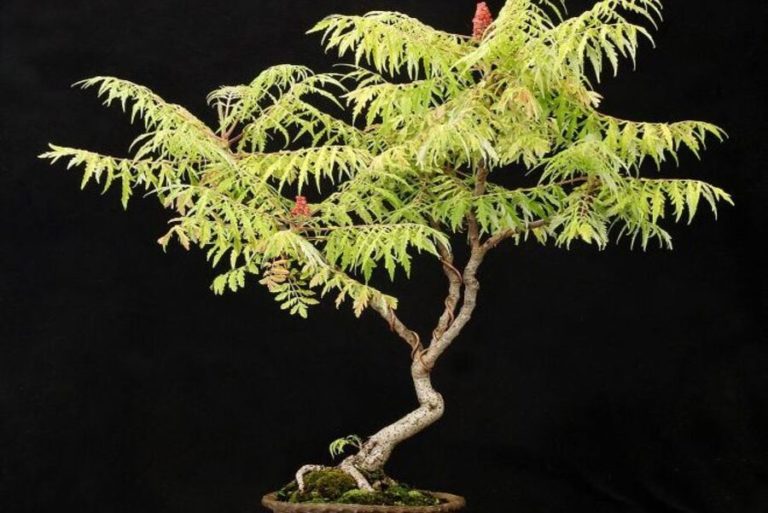
The word “bonsai” is Japanese and literally means “planted in a container.” It’s an ancient art form that originated in China over a thousand years ago and was later refined in Japan. The goal is to create a miniature but realistic representation of nature – a tree that looks like it could be a giant oak on a windswept mountain, just scaled down to fit on your desk.
Any tree can potentially become a bonsai. The common species include:
- Junipers (most popular for beginners)
- Ficus (great for indoor growing)
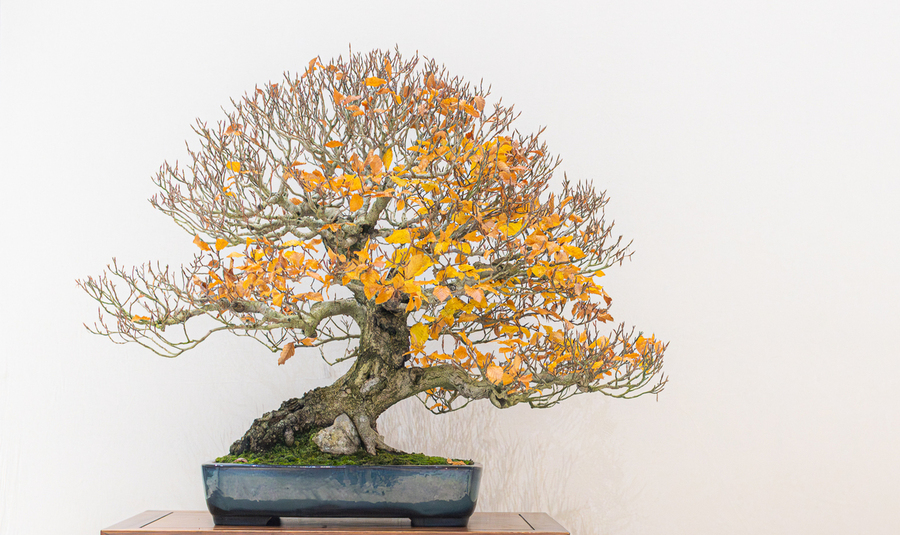
- Maples (beautiful fall colors)
- Pines (traditional and elegant)
- Elms (develop beautiful fine branching)
The key is understanding that your bonsai is a real tree with the same needs as its full-sized cousins – just in a much smaller package.
The Five Essentials of Bonsai Care
Think of bonsai care as five pillars that support your tree’s health. Get these right, and your bonsai will thrive. Neglect even one, and you’ll struggle.
1. Light
2. Water
3. Soil
4. Nutrients (Fertilizer)
5. Temperature
We’ll explore each of these in detail throughout this guide. Keep these five things in mind as you read, because they’re the foundation of everything else.
Understanding Your Bonsai: Indoor vs. Outdoor
This is probably the most important thing to understand, and it’s where many beginners go wrong. Most bonsai trees are outdoor trees. Let me repeat that because it’s so important: the majority of bonsai species need to live outside.
Outdoor Bonsai
These are temperate climate trees that need seasonal changes to survive. They include:
- All pines and other conifers (juniper, spruce, etc.)
- Maples
- Elms
- Oaks
- Fruit trees (apple, cherry)
- Most deciduous trees
Why they need to be outside:
- They require a winter dormancy period (they’ll die without it)
- They need much more light than you can provide indoors
- They’re adapted to natural temperature fluctuations
- Indoor heating dries them out too quickly
Where to keep them:
- On a balcony, patio, or in your yard
- In a spot with good light (most need full sun)
- Protected from extreme conditions (intense afternoon sun in summer, harsh winter winds)
Indoor Bonsai
These are tropical or subtropical trees that can’t tolerate freezing. They include:
- Ficus (most common indoor bonsai)
- Chinese Elm (can be indoor or outdoor depending on climate)
- Jade
- Hawaiian Umbrella
- Fukien Tea
Why they can live indoors:
- They come from warm climates and can’t handle frost
- They don’t need winter dormancy
- They can tolerate lower light levels (but still need bright light!)
Where to keep them:
- Near a south-facing window with lots of light
- Supplemental grow lights if natural light is limited
- Away from heating/AC vents
- In a humid environment (bathroom windows are great!)
The golden rule: If you live in an area with winter frost and your tree is a temperate species (juniper, maple, pine, etc.), it MUST live outside. Don’t try to keep it indoors – it will die, usually within a few months.
Watering: The Most Critical Skill
If bonsai keeping had a final exam, watering would be 50% of your grade. More bonsai trees die from improper watering (both over and under) than any other cause. Let’s break it down.
Why Watering is Tricky
Bonsai pots are shallow with limited soil. This means:
- They dry out much faster than regular potted plants
- But they also get waterlogged easily if drainage is poor
- Different trees have different water needs
- Weather affects how quickly they dry
- Soil type matters
There’s no universal rule like “water every day” or “water twice a week.” You need to check your tree and respond to what it needs.
How to Water Properly
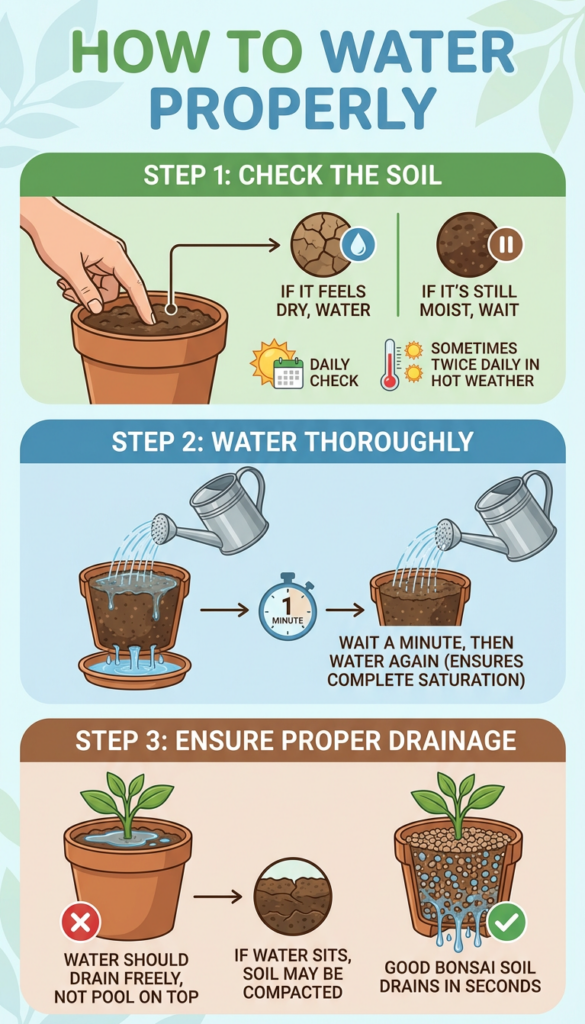
Step 1: Check the soil
- Stick your finger about 1/2 inch into the soil
- If it feels dry, water
- If it’s still moist, wait
- Check daily, sometimes twice daily in hot weather
Step 2: Water thoroughly
- Use a watering can with a gentle rose (sprinkler head)
- Water slowly, soaking the entire soil surface
- Keep watering until water runs freely from drainage holes
- Wait a minute, then water again (ensures complete saturation)
Step 3: Ensure proper drainage
- Water should drain freely, not pool on top
- If water sits on surface, your soil may be compacted
- Good bonsai soil drains in seconds
Water Quality
Tap water: Fine for most bonsai. If your water is heavily chlorinated, let it sit overnight before using.
Rainwater: Excellent choice – soft and natural. Collect it if possible.
Distilled water: Not necessary and lacks minerals trees need.
Softened water: Avoid it – contains salt that can harm trees.
Common Watering Mistakes
Mistake 1: Watering on a schedule “I water every Tuesday and Saturday” sounds organized, but trees don’t follow schedules. Weather changes, seasons change, and trees’ needs change. Always check soil before watering.
Mistake 2: Misting instead of watering Spraying leaves with a mister does NOT water your tree. It might increase humidity (which is good), but roots need deep watering. Misting is supplemental, not a replacement.
Mistake 3: Using ice cubes Some sources suggest putting ice cubes on soil to water slowly. This is terrible advice! Trees don’t want ice-cold water shocking their roots. Use room temperature water.
Mistake 4: Shallow watering Just wetting the surface doesn’t help. You need to soak the entire root ball. Always water until it drains from the bottom.
Mistake 5: Letting the tree dry out completely If soil gets completely dry and hard, it may repel water instead of absorbing it. You’ll need to soak the entire pot in a basin of water for 10-15 minutes to rehydrate it.
Signs of Watering Problems
Underwatered:
- Leaves wilting or drooping
- Leaves turning crispy and brown
- Soil pulling away from pot edges
- Very light pot weight
Overwatered:
- Leaves turning yellow and falling off
- Soft, mushy roots (if you check)
- Constantly wet, soggy soil
- Mold growing on soil surface
Light Requirements
Light is food for plants. Through photosynthesis, trees use light energy to make sugars that fuel all their growth and functions. Without enough light, your bonsai will slowly starve.
How Much Light Do Bonsai Need?
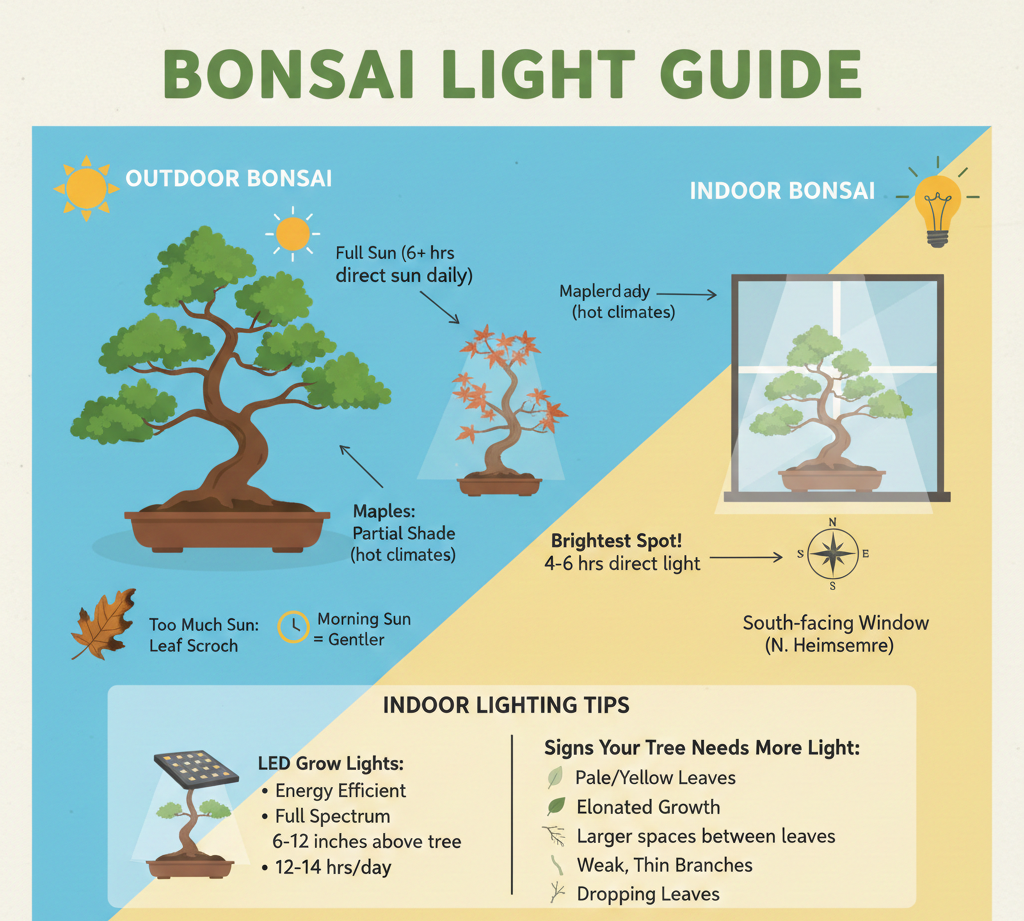
Outdoor bonsai:
- Most need full sun (6+ hours of direct sunlight daily)
- Some, like maples, prefer partial shade in hot climates
- Morning sun is gentler than intense afternoon sun
- Watch for signs of too much sun: leaf scorch (brown, crispy patches)
Indoor bonsai:
- Need the brightest spot in your house
- Minimum 4-6 hours of bright, direct light
- South-facing windows are best (north-facing in Southern Hemisphere)
- Consider supplemental grow lights
Indoor Lighting Tips
If your indoor bonsai isn’t getting enough natural light, supplement with artificial light:
LED grow lights:
- Energy efficient and don’t produce much heat
- Full spectrum bulbs work best
- Keep 6-12 inches above the tree
- Run 12-14 hours per day
Signs your tree needs more light:
- Leaves turning pale or yellow
- Elongated growth (branches stretching toward light)
- Larger spaces between leaves
- Weak, thin branches
- Dropping leaves
A simple test: If you can’t comfortably read a book in the spot where your bonsai lives, there’s probably not enough light for the tree either.
Temperature and Humidity
Temperature Requirements
Outdoor bonsai:
- Adapted to natural temperature fluctuations
- Need winter cold to go dormant (usually need temps below 40°F/4°C for several weeks)
- Protect from extreme cold (below 15°F/-9°C without protection)
- Protect from extreme heat (above 95°F/35°C, may need shade)
Indoor bonsai:
- Prefer temperatures between 60-75°F (15-24°C)
- Avoid placing near heating/AC vents
- Keep away from drafty windows in winter
- Consistent temperatures are better than big fluctuations
Humidity
Most trees prefer humidity levels of 40-60%. This is easy outdoors but challenging indoors, especially in winter when heating dries the air.
Increasing humidity for indoor bonsai:
Humidity trays:
- Place pebbles in a shallow tray
- Add water to just below the top of pebbles
- Set bonsai pot on pebbles (not in water!)
- As water evaporates, it creates local humidity
Grouping plants:
- Multiple plants together create a more humid microclimate
Room humidifier:
- Best option for multiple indoor bonsai
- Maintains consistent humidity
Avoid:
- Keeping soil constantly wet (causes root rot)
- Misting multiple times daily (creates disease problems)
Soil: The Foundation
Bonsai soil is completely different from regular potting soil. Understanding this difference is crucial.
Why Regular Potting Soil Doesn’t Work
Regular potting soil:
- Retains too much water
- Doesn’t drain fast enough
- Compacts over time
- Doesn’t provide enough oxygen to roots
- Leads to root rot in shallow bonsai pots
What Makes Good Bonsai Soil
Good bonsai soil has three key characteristics:
1. Excellent drainage: Water should drain through in seconds
2. Good aeration: Lots of air spaces for roots to breathe
3. Water retention: Holds moisture without being soggy
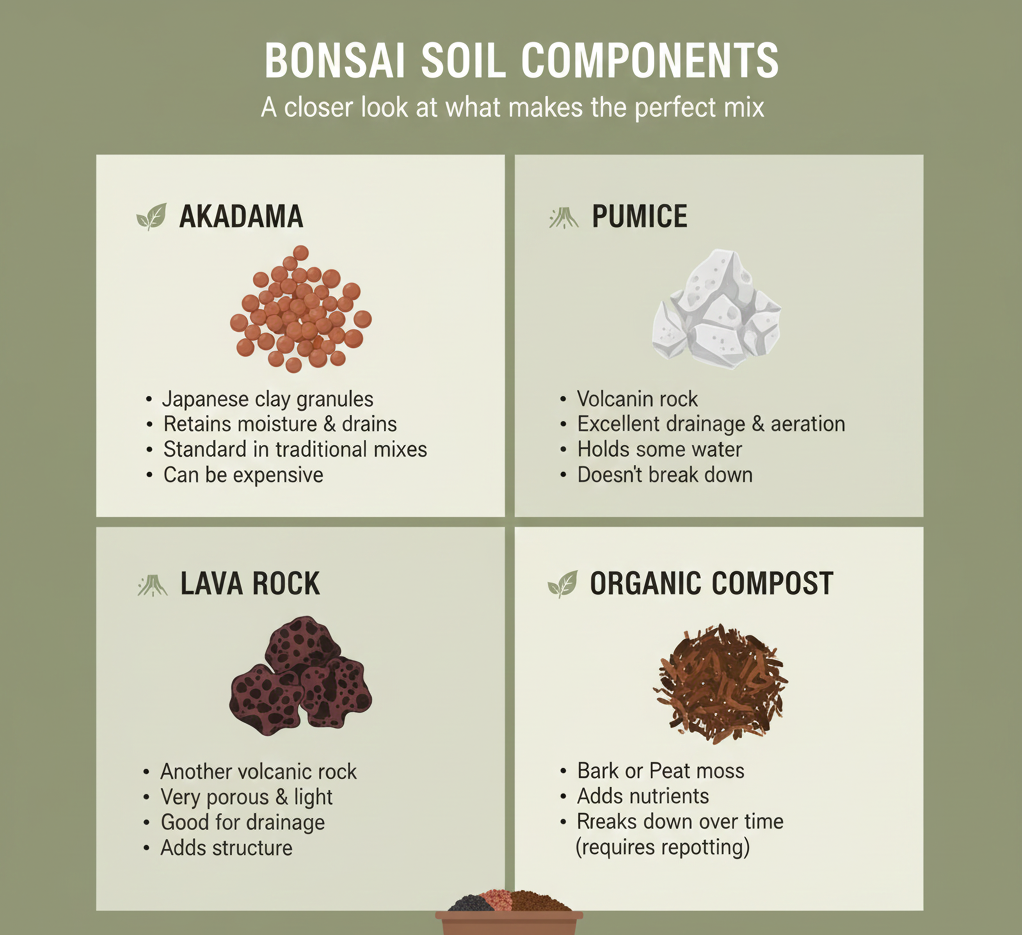
Components of Bonsai Soil
Bonsai soil is usually a mix of these materials:
Akadama:
- Japanese clay granules
- Retains moisture while draining well
- Standard in traditional mixes
- Can be expensive
Pumice:
- Volcanic rock
- Excellent drainage and aeration
- Holds some water
- Doesn’t break down
Lava rock:
- Another volcanic rock
- Very porous and light
- Good for drainage
- Adds structure to mix
Organic compost:
- Usually bark or peat
- Adds nutrients
- Retains moisture
- Breaks down over time (why we repot)
Basic Soil Recipes
For most trees:
- 50% akadama (or similar clay granules)
- 25% pumice
- 25% lava rock
For water-loving trees:
- 60% akadama
- 20% pumice
- 20% lava rock
For trees wanting more drainage (pines, junipers):
- 33% akadama
- 33% pumice
- 33% lava rock
Beginner alternative:
- Pre-mixed bonsai soil from garden centers
- More expensive but convenient and reliable
When to Change Soil (Repotting)
Young trees: Every 1-2 years Mature trees: Every 3-5 years Very old trees: Every 5+ years
Signs it’s time to repot:
- Water drains very slowly
- Roots circling around inside pot
- Tree growth has slowed significantly
- Soil has broken down and compacted
Fertilizing Your Bonsai
Because bonsai grow in tiny pots with limited soil, they quickly use up available nutrients. Regular fertilizing is essential for health.
NPK: The Big Three
All fertilizers list three numbers (like 10-10-10). These represent:
- N (Nitrogen): Promotes leaf and stem growth
- P (Phosphorus): Supports root development and flowering
- K (Potassium): Improves overall health and disease resistance
Basic Fertilizing Schedule
Spring (growth starts):
- Fertilize every 1-2 weeks
- Use balanced fertilizer (10-10-10)
Summer (peak growth):
- Continue every 1-2 weeks
- Balanced fertilizer
Fall (slowing down):
- Every 2-3 weeks
- Switch to low-nitrogen fertilizer (0-10-10)
Winter:
- Stop fertilizing outdoor trees (they’re dormant)
- Reduce indoor trees to once per month
Types of Fertilizer
Liquid fertilizer:
- Easiest for beginners
- Mix with water and apply
- Works quickly
- Apply every 1-2 weeks
Pellet/cake fertilizer:
- Slow-release
- Place on soil surface
- Lasts 4-8 weeks
- Traditional choice
Organic vs. chemical:
- Both work fine
- Organic is gentler but more expensive
- Chemical is cheaper and more precise
- Many growers use both
Fertilizing Tips
- Always dilute to half the recommended strength for houseplants
- Water with plain water first, then apply fertilizer
- Don’t fertilize newly repotted trees for 4-6 weeks
- Don’t fertilize sick trees
- More is not better – over-fertilizing causes problems
Pruning and Shaping
This is where bonsai becomes an art. Pruning keeps your tree small and creates the shape you want.
Why We Prune
- Keeps the tree miniature
- Develops fine branching
- Creates aesthetic shape
- Maintains tree’s health
- Directs growth where you want it
Types of Pruning
Maintenance pruning:
- Done throughout growing season
- Pinch back new growth
- Remove unwanted shoots
- Keeps shape maintained
- Like getting a haircut
Structural pruning:
- Done in late winter (for deciduous) or fall
- Remove larger branches
- Major shape changes
- Like remodeling
- Done less frequently
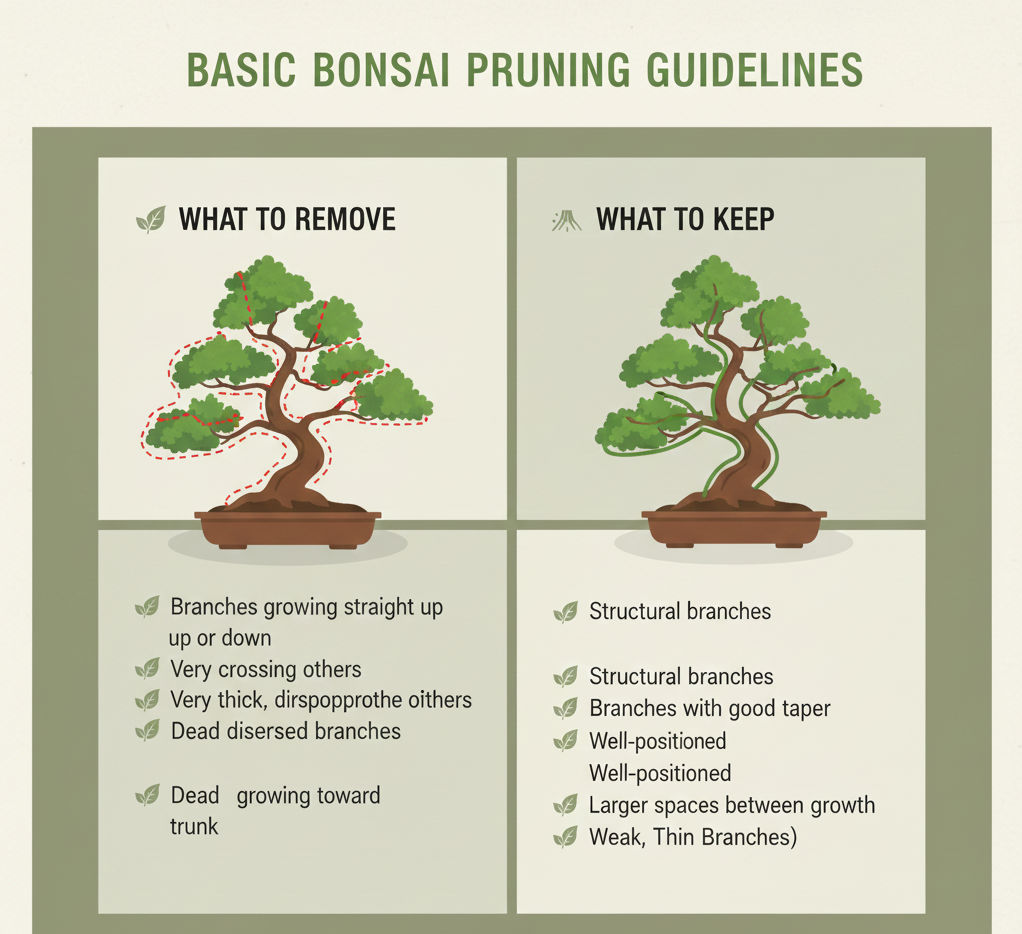
Basic Pruning Guidelines
What to remove:
- Branches growing straight up or down
- Branches crossing other branches
- Very thick branches that break scale
- Dead or diseased branches
- Branches growing toward the trunk
What to keep:
- Branches creating the basic structure
- Branches with good taper
- Branches in good positions
- Healthy, vigorous growth in right places
Pruning Tools
Concave cutters:
- Make clean cuts that heal well
- Most important tool to own
- Used for branches
Scissors/shears:
- For fine work and leaves
- Should be sharp and clean
Wire cutters:
- For removing training wire
- Regular wire cutters work
Knob cutters:
- For removing branch stubs
- Optional but useful
Wiring
Wiring allows you to bend and position branches to create your desired shape.
When to wire:
- Late fall or winter for most trees
- When branches are flexible but woody
How to wire:
- Choose wire 1/3 the thickness of the branch
- Anchor wire in soil or to trunk
- Wrap at 45-degree angle
- Bend branch carefully to desired position
- Remove wire after 6-8 months (before it cuts in)
Caution: Wiring is an advanced technique. Start with pruning and learn wiring gradually.
Seasonal Care Calendar
| Season | Watering | Feeding | Pruning | Special Tasks |
|---|---|---|---|---|
| Spring | Daily checks, increase frequency | Every 1-2 weeks, balanced | Light maintenance, pinch new growth | Repot if needed, watch for pests |
| Summer | Check twice daily in heat | Every 1-2 weeks, balanced | Continue maintenance | Protect from extreme heat, ensure water |
| Fall | Gradually reduce as growth slows | Every 2-3 weeks, low-N | Structural pruning (late fall) | Prepare for winter, reduce fertilizer |
| Winter | Less frequent, keep slightly moist | Stop (outdoor), monthly (indoor) | Minimal to none | Protect from harsh cold, check occasionally |
Common Problems and Solutions
Problem 1: Leaves Turning Yellow and Falling Off
Possible causes:
- Overwatering (most common)
- Underwatering
- Not enough light
- Natural leaf drop (deciduous in fall)
Solutions:
- Check watering – adjust as needed
- Ensure proper drainage
- Move to brighter location
- If fall, this is normal for deciduous trees
Problem 2: Leaves Turning Brown and Crispy
Possible causes:
- Underwatering (most common)
- Too much sun/heat
- Fertilizer burn
- Cold damage
Solutions:
- Water more frequently
- Provide afternoon shade in summer
- Reduce fertilizer strength
- Protect from frost
Problem 3: Weak, Leggy Growth
Possible causes:
- Not enough light
- Too much nitrogen fertilizer
- Not enough pruning
Solutions:
- Move to brighter location
- Switch to balanced or low-N fertilizer
- Prune back to encourage compact growth
Problem 4: No New Growth
Possible causes:
- Needs fertilizer
- Root-bound (needs repotting)
- Wrong season (winter dormancy)
- Not enough light
Solutions:
- Resume fertilizing schedule
- Check if repotting is needed
- Be patient if winter
- Improve lighting
Problem 5: Pests
Common pests:
- Aphids (small green/black insects)
- Spider mites (tiny, cause yellowing)
- Scale (small brown bumps on branches)
Solutions:
- Spray with insecticidal soap
- Use neem oil
- Blast with water to remove
- Remove by hand if few
Quick Care Guide by Species
Juniper Bonsai
- Location: Outdoor only
- Light: Full sun
- Water: When top inch dries
- Special: Needs winter cold, very hardy
- Difficulty: Beginner-friendly
Ficus Bonsai
- Location: Indoor
- Light: Bright, south window
- Water: Keep slightly moist
- Special: Tolerates low light better than most
- Difficulty: Very beginner-friendly
Japanese Maple
- Location: Outdoor
- Light: Morning sun, afternoon shade
- Water: Keep moist, don’t let dry completely
- Special: Beautiful fall colors, protect from hot sun
- Difficulty: Intermediate
Chinese Elm
- Location: Outdoor or indoor (depending on climate)
- Light: Bright light
- Water: Keep evenly moist
- Special: Very forgiving, develops fine branching
- Difficulty: Beginner-friendly
Pine Bonsai
- Location: Outdoor only
- Light: Full sun
- Water: Let dry slightly between waterings
- Special: Needs excellent drainage, specialized pruning
- Difficulty: Advanced
Essential Care Tips Summary
| Care Aspect | Key Points | Frequency |
|---|---|---|
| Watering | Check soil daily, water thoroughly when needed | As needed (usually daily in summer) |
| Light | Full sun for outdoor, brightest spot for indoor | Constant |
| Fertilizing | Half-strength, balanced formula | Every 1-2 weeks (growing season) |
| Pruning | Pinch new growth, maintain shape | Throughout growing season |
| Repotting | Fresh soil, trim roots | Every 2-5 years |
| Pest Check | Inspect leaves and branches | Weekly |
| Turning | Rotate for even sun exposure | Weekly (indoor trees) |
| Cleaning | Remove dead leaves, debris | Weekly |
Frequently Asked Questions (FAQ)
- How often should I water my bonsai?
Water when the top soil feels dry. Check daily. No fixed schedule. - Can I keep a juniper bonsai indoors?
No. Junipers must stay outdoors to live. - Why are my bonsai leaves turning yellow?
Usually too much water, too little water, or not enough light. - Do I need special bonsai fertilizer?
No. Use regular liquid fertilizer at half strength. - When should I repot my bonsai?
When roots fill the pot or water drains slowly. Best in early spring. - My bonsai lost all its leaves. Is it dead?
Not always. Some trees lose leaves naturally. Check if branches are green inside. - Can I grow a bonsai from seed?
Yes, but it takes many years. Bonsai is made by training, not special seeds. - How long do bonsai trees live?
With good care, they can live for many decades. - Should I bring outdoor bonsai inside in winter?
No. Outdoor bonsai need winter cold. Just protect from extreme weather. - Why is my bonsai not growing?
It may be winter, low light, low nutrients, or normal slow growth. Patience is key 🌱
Tools and Supplies You Actually Need
Essential Tools (Start Here)
- Watering can with fine rose – $10-20
- For gentle, thorough watering
- Concave cutters – $15-30
- Most important pruning tool
- Small scissors or shears – $10-20
- For detail work
- Wire cutters – $10-15
- For removing training wire
Total essential kit: About $50-85
Nice to Have (Add Later)
- Knob cutters for branch removal
- Root hook for repotting
- Bonsai wire for shaping
- Turntable for working on all sides
- Humidity tray
- Grow lights (for indoor bonsai)
Don’t Waste Money On
- Expensive Japanese tools (start with basic tools)
- “Bonsai growing kits” (usually poor quality)
- Tiny decorative pots for full-size trees
- Specialty soils you can’t identify ingredients of
Creating the Right Environment
Outdoor Bonsai Display
Best locations:
- Patio table at eye level (easier to see and care for)
- Bench in the garden
- Against a wall (provides wind protection)
- Under shade cloth (in very hot climates)
Avoid:
- Directly on ground (pests can climb in)
- Exposed to constant wind
- Under trees that drip sap
- In full shade
Indoor Bonsai Display
Best locations:
- South-facing window sill
- Bright table near window
- Under grow lights
- Bathroom with good light (humidity bonus!)
Avoid:
- Dark corners
- On top of electronics (heat)
- Near heating/AC vents
- Behind curtains
Learning Resources
Books for Beginners:
- “Bonsai Basics” by Christian Pessey
- “The Complete Book of Bonsai” by Harry Tomlinson
Websites:
- Bonsai Empire (bonsaiempire.com) – Excellent free courses
- Bonsai Nut (bonsainut.com) – Active forum community
YouTube Channels:
- Bonsai Mirai – Professional techniques
- Herons Bonsai – UK-based, good for beginners
- Nigel Saunders – Very accessible, detailed care videos
Local Resources:
- Join a bonsai club in your area
- Visit bonsai nurseries
- Attend local shows and exhibitions
Final Thoughts: The Journey Ahead
Caring for a bonsai tree is a journey, not a destination. You’ll make mistakes – everyone does. Your first bonsai might not survive, and that’s okay. Each tree teaches you something. The key is to start simple, learn as you go, and not give up.
Here’s what successful bonsai care really comes down to:
Pay attention. Look at your tree daily. Notice changes. Respond to what you see.
Be consistent. Regular watering, feeding, and basic care matter more than fancy techniques.
Be patient. Trees grow on their own schedule, not yours. Some days you’ll see dramatic changes, other days nothing seems to happen. Trust the process.
Keep learning. Every tree is different. Every climate is different. What works for someone else might need adjustment for you.
Enjoy the process. Bonsai is meditation, art, and gardening rolled into one. The goal isn’t perfection – it’s connection with nature and the satisfaction of keeping something beautiful alive.
Your bonsai is a living thing that will respond to your care. Give it what it needs – light, water, nutrients, and attention – and it will reward you with years of beauty and tranquility. Start today, learn constantly, and enjoy every step of the journey.
Welcome to the wonderful world of bonsai!
Note: This guide covers general bonsai care principles. Always research your specific species for detailed requirements, as care needs can vary significantly between different types of trees.
Also Read: