
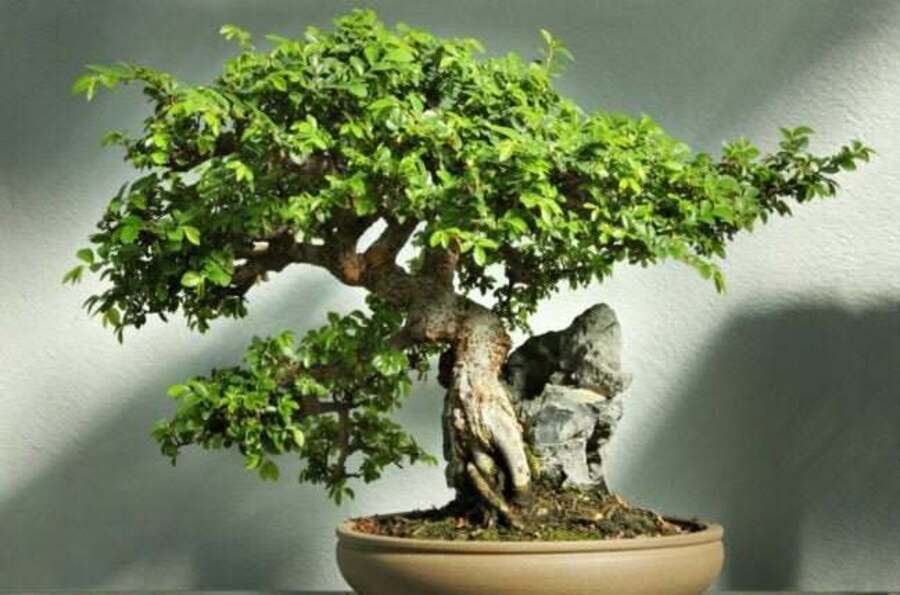
Chinese Elm Bonsai: The Perfect Tree for Every Beginner and Expert
Chinese Elm bonsai are one of the most beautiful and forgiving trees you can grow. Whether you have never touched a bonsai before or you have been growing them for years, Chinese Elm will reward you with graceful branches, tiny leaves, and stunning seasonal changes. We will show you everything you need to know to grow and care for your own Chinese Elm bonsai, step by step, in simple language anyone can understand.
What is a Chinese Elm Bonsai
A Chinese Elm Bonsai is a miniature version of the Chinese Elm tree (Ulmus parvifolia), carefully trained and shaped through pruning and wiring techniques to look like a full sized ancient tree in a small pot.
Chinese Elm (Ulmus parvifolia) is native to China, Japan, Korea, and Vietnam. In nature, these trees grow up to 60 feet tall with beautiful arching branches and tiny, serrated leaves. The bark develops a remarkable mottled pattern as it ages, showing patches of gray, green, orange, and brown all at the same time, making it look like a living work of art.
As bonsai, Chinese Elm is considered one of the best species in the world for several reasons. The leaves are naturally small (half an inch to one inch), the branches are flexible and easy to wire, the tree grows vigorously, it tolerates mistakes better than almost any other species, and it develops fine branch structure relatively quickly compared to other trees.
In the bonsai world, Chinese Elm is often called the perfect beginner tree. But do not let that fool you. Experienced masters also grow Chinese Elm because even after decades, this tree keeps getting better and more refined.
History and Origins of Chinese Elm Bonsai
Bonsai has been practiced for over a thousand years, and Chinese Elm has been part of that history from nearly the beginning.
Ancient China: Bonsai originated in China, where it was called penjing (tray scenery). Chinese scholars and artists created miniature landscapes in containers as early as the Han Dynasty (206 BC to 220 AD). Elm trees were among the native species used in these early creations because of their graceful form and adaptability.
Spread to Japan: Bonsai traveled to Japan around the Heian period (794 to 1185 AD), where Japanese monks and artists refined the techniques. Chinese Elm was recognized early as an excellent bonsai subject because of its cooperative nature and beautiful branching.
Development Through the Centuries: During the Edo period (1603 to 1868 AD) in Japan, bonsai became increasingly sophisticated. Artists developed specific styles and techniques. Chinese Elm, with its ability to develop fine ramification quickly, became a favorite for demonstrating the most refined branch structures.
Western World: Chinese Elm arrived in the Western bonsai world in the mid 20th century as Japanese and Chinese masters shared their knowledge with European and American enthusiasts. It became instantly popular because Western beginners found it much easier to keep alive than other species.
Today, Chinese Elm is probably the most widely grown bonsai species in the world. You can find it in virtually every bonsai nursery, garden center, and bonsai club in existence. And for good reason, it is simply one of the best.
I first encountered Chinese Elm at a local garden center in 2013. I bought a small pre-bonsai for twelve dollars, having no idea what I was doing. That tree survived everything I threw at it during my learning years. It is now eleven years old and sits on my display bench as one of my most refined trees. Chinese Elm gave me permission to learn through mistakes, and I will always be grateful for that.
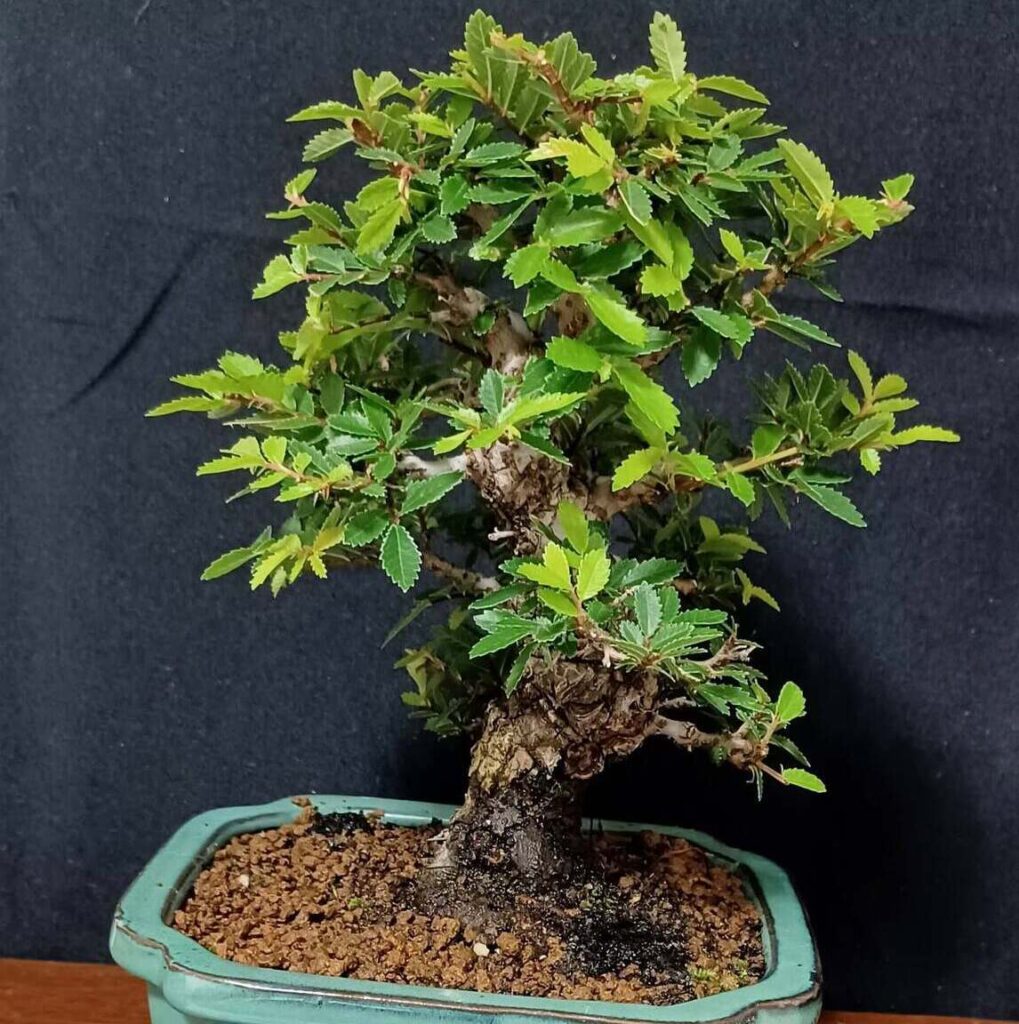
Chinese Elm Bonsai and Their Symbolism
Like all bonsai, Chinese Elm carries deep symbolic meaning rooted in centuries of Asian culture:
1. Strength and Flexibility:
The Chinese Elm bends dramatically in wind but rarely breaks. This combination of strength and flexibility symbolizes the wisdom of adapting to life’s challenges without losing your core character. In Chinese culture, this quality is deeply admired and seen as the mark of a wise person.
2. Longevity and Endurance:
Elm trees in nature can live for hundreds of years. As bonsai, a well-cared for Chinese Elm can be passed down through generations. This longevity symbolizes endurance, persistence, and the value of long-term thinking over short-term gains.
3. Grace and Elegance:
The fine, arching branches of Chinese Elm create a naturally graceful form that requires relatively little intervention. This natural elegance symbolizes the idea that true beauty comes from within, not from excessive external effort or decoration.
4. Harmony:
The mottled bark of Chinese Elm shows multiple colors existing together peacefully. This natural harmony of colors symbolizes the coexistence of different elements in balance, a core value in both Chinese and Japanese philosophy.
5. Resilience:
Chinese Elm recovers from difficulties remarkably well. It can drop all its leaves and come back stronger. It survives mistakes and neglect that would kill other trees. This resilience symbolizes the human capacity to recover from hardship and emerge stronger.
6. New Beginnings:
In some parts of Asia, elm trees are associated with spring renewal because they leaf out reliably every year after winter dormancy. Planting or gifting a Chinese Elm bonsai symbolizes hope, fresh starts, and the promise of better times ahead.
What Makes Chinese Elm Special for Bonsai
After several years working with Chinese Elm (I currently have four), here is what makes this species genuinely special:
Incredible Forgiveness
This is the quality that makes Chinese Elm so valuable for beginners. Forget to water for two days in summer? It will wilt and then recover when you water it. Prune at the wrong time? It will push new growth anyway. Repot a little late? It will survive.
I have made every mistake possible with Chinese Elm. Every single one. They all survived. That forgiveness is not just convenient for beginners; it creates a safe environment for learning without the heartbreak of killing expensive or irreplaceable trees.
Naturally Small Leaves
The leaves are naturally small, between half an inch and one inch long. With proper techniques (which we will explain), you can get them even smaller. This natural scale means Chinese Elm looks proportional even on smaller bonsai.
Fast Ramification
Ramification means the development of fine, intricate branch structure. Chinese Elm develops this faster than almost any other deciduous species. Where a Japanese maple might take 15 to 20 years to develop really fine branching, Chinese Elm can achieve impressive results in 5 to 7 years.
Beautiful Bark
As the tree ages, the bark develops a mottled, multicolored pattern that is uniquely beautiful. Young trees have smooth bark. By age 10 to 15, the bark shows irregular patches of different colors and begins to develop interesting texture. Old trees have magnificent bark that is unmistakable.
Flexible Branches
The branches stay flexible much longer than many other species. This makes wiring easier and safer. You can make significant bends without the cracking that happens with more brittle species.
Semi-Evergreen Adaptability
Chinese Elm is semi-evergreen, meaning it may keep its leaves all winter indoors or drop them outdoors in cold climates. This adaptability means it works both as an outdoor and indoor bonsai, making it accessible to people who cannot grow trees outside.
Strong Back-Budding
When you prune Chinese Elm, it responds by pushing new buds from old wood. This strong back-budding response means you have lots of options when styling and that mistakes are relatively easy to correct.
Types and Varieties of Chinese Elm
Chinese Elm has several varieties and cultivated forms worth knowing about:
Standard Chinese Elm (Ulmus parvifolia)
This is the species form you will find most commonly. It has small to medium leaves (half to one inch), good bark development, flexible branches, and all the characteristics described above.
Features: Adaptable to many climates, reliable growth, good for all bonsai styles, readily available.
Best for: Beginners and experienced growers alike. All bonsai sizes from small shohin to large specimens.
This is what three of my four trees are.
Seiju Chinese Elm (Ulmus parvifolia ‘Seiju’)
This is a dwarf cultivar with exceptionally small leaves (often under half an inch) and naturally compact, corky bark that develops much earlier than the standard form. The growth is slower and more compact.
Features: Tiny leaves, early cork bark development, compact growth, naturally refined appearance.
Best for: Small to medium bonsai, anyone wanting refined appearance sooner, shohin specialists.
I have one Seiju elm and it is stunning. The corky bark appeared when the tree was only about seven years old, decades earlier than standard Chinese Elm. The leaves are about the size of a small fingernail.
Catlin Chinese Elm (Ulmus parvifolia ‘Catlin’)
Another dwarf cultivar with small leaves and slower growth. Similar to Seiju but with slightly different growth characteristics.
Features: Small leaves, dense growth, good for refined styling, less commonly available than Seiju.
Best for: Small bonsai, refined styles.
Chinese Elm with Cork Bark
Some Chinese Elms develop heavily corked, deeply textured bark much like cork oak. These trees are highly prized in bonsai for their dramatic appearance. The cork bark is a genetic characteristic of certain individual trees.
Features: Dramatic corky texture on trunk and branches, impressive aged appearance, very valuable in the bonsai world.
Best for: Show trees, collectors wanting distinctive specimens.
For most people, standard Chinese Elm is the perfect starting point. As you develop skills and knowledge, Seiju is a wonderful next step.
How to Grow Chinese Elm Bonsai
Here is the complete step-by-step process based on eleven years of actual experience:
Step 1: Choose Your Starting Material
Getting Started: Starter Material
You have several options for getting started:
Option 1: Pre-bonsai from a bonsai nursery
This is my recommendation for most people. Bonsai nurseries sell young Chinese Elm that have been in training for 2 to 5 years. They have some development already, good root structure, and are priced reasonably ($30 to $150).
What to look for: Some trunk taper (thicker at the base), low first branch, interesting trunk movement, healthy leaves.
Option 2: Landscape nursery stock
Garden centers and landscape nurseries often carry Chinese Elm as a landscape tree. These are usually inexpensive ($10 to $40) and can have good trunk thickness.
What to look for: Interesting trunk movement, low branches, trunk thickness. Avoid perfectly straight, featureless trunks.
Option 3: Garden center pre-bonsai
Many garden centers now sell inexpensive pre-bonsai Chinese Elm (often labeled as indoor bonsai) for $10 to $25. Quality varies widely, but this is how many people start.
My first tree was one of these. Despite the low price and cheap pot, that tree taught me everything I needed to know.
Option 4: Cuttings
Chinese Elm roots easily from cuttings. Take 4 to 6 inch cuttings in summer, dip in rooting hormone, and plant in well-draining mix. Success rate is high.
Good for: People who want to grow multiple trees inexpensively, those interested in development from the beginning.
Option 5: Seeds
Chinese Elm grows from seed, but this takes 10 to 15 years to develop bonsai material. Not recommended for most people.
Step 2: Choose the Right Pot
For Chinese Elm, the pot should be approximately two thirds the height of the tree for upright styles. Depth should be roughly equal to the trunk diameter at the base.
Pot style: Unglazed pots in earth tones (brown, tan, gray) work well for most Chinese Elm. Glazed pots in subtle colors (blue-gray, green-gray) can also be beautiful, especially for more formal displays.
Drainage: Essential. The pot must have adequate drainage holes. Chinese Elm does not tolerate waterlogged roots.
Step 3: Prepare the Right Soil
Chinese Elm is less demanding about soil than many species but still benefits from proper bonsai soil.
My standard mix: 50% akadama, 30% pumice, 20% composted pine bark
For beginners: A premixed bonsai soil from a reputable supplier works fine.
Key requirement: Good drainage. Water should drain through in seconds, not minutes.
Step 4: Planting
Remove the tree from its existing container. Comb out the roots with a root hook, working from the outside inward. Trim circling roots and remove approximately 20 to 30% of the root mass. Position the tree in the pot with the best side facing forward. Fill with fresh soil, pressing firmly to eliminate air pockets. Water thoroughly.
Step 5: Pruning and Shaping
For initial styling: Identify the front of the tree (most interesting view), choose the main branches you want to keep, and remove branches that grow downward, cross other branches, or go directly toward the viewer.
For ongoing maintenance: Prune new shoots back to 2 to 3 leaves once they extend to 4 to 6 leaves. This keeps the tree compact and develops fine ramification.
Best pruning time: Spring and summer during active growth. Avoid heavy pruning in fall.
Step 6: Wiring
Chinese Elm wires well and holds its position relatively easily.
Wire type: Aluminum wire works well for most branches.
Best timing: Anytime during the growing season after growth hardens, or in winter when the tree is bare (easier to see the structure).
Technique: Apply wire at 45 degree angle, working from trunk toward branch tips. Check every 2 to 3 weeks during growing season as Chinese Elm grows fast and wire can bite quickly.
Step 7: Watering
Water when the soil surface feels slightly dry. In summer, this may mean daily or even twice daily. In winter, much less frequently.
Chinese Elm is forgiving of occasional watering mistakes but thrives with consistent moisture.
Step 8: Fertilizing
During the growing season (spring through summer), fertilize every 2 to 3 weeks with balanced organic fertilizer. Reduce in late summer. Stop in winter.
Step 9: Placement
Outdoor: Full sun to partial shade. In hot climates (zones 8 to 10), afternoon shade is beneficial.
Indoor: Bright window with as much light as possible. Supplemental grow lights recommended if natural light is limited.
Step 10: Patience and Observation
Chinese Elm rewards regular attention. Check your tree daily, water appropriately, prune when needed, and enjoy the process. The tree improves every year.
Displaying and Showcasing Your Chinese Elm Bonsai
How you display your Chinese Elm is as important as how you grow it.
Choose the Right Stand:
A simple wooden stand in dark wood complements Chinese Elm beautifully. The stand should be proportional to the tree, neither too large nor too small. Avoid elaborate stands that compete with the tree for attention.
Select a Suitable Pot:
The pot should complement the tree without competing. For older trees with developed bark, an unglazed brown or gray pot often works best. For younger trees with fresh green foliage, a subtle blue-gray glaze can be beautiful.
Use Accent Plants:
Small accent plants (small grasses, moss, tiny wildflowers) can enhance the display. Choose plants that suggest the same natural environment as the elm. Small stones can also complement the composition.
Consider Seasonal Display:
Spring: The fresh bright green new leaves are spectacular. Display where the new growth can be appreciated.
Summer: Dense foliage creates a full, lush appearance. This is the tree at its most impressive.
Fall: If the tree colors before dropping leaves, this can be the most beautiful season. Some Chinese Elm show golden yellow fall color.
Winter: If kept outdoors, the bare branch structure becomes visible. This is when you can truly appreciate the ramification you have developed.
Lighting:
Natural sidelight works best for most displays. Avoid harsh overhead light that flattens the three-dimensional structure of the tree.
Rotate Regularly:
Rotate your tree every week or two to ensure even growth and to see it from all angles. Trees always look different from different viewpoints.
How to Care for and Maintain Chinese Elm Bonsai
1. Watering:
Frequency: Check daily. Water thoroughly when the topsoil feels slightly dry. In summer, this may mean daily or twice daily. In winter, much less frequently.
Technique: Water until it flows freely from drainage holes, ensuring the entire root ball is moistened. Use a gentle watering can to avoid disturbing the soil.
Signs of correct watering: Healthy green leaves, vigorous growth, white firm roots.
Signs of underwatering: Wilting, crispy leaf edges, dry compact soil.
Signs of overwatering: Yellowing leaves, mushy soft roots, fungal smell.
2. Lighting:
Outdoor: Prefers full sun to partial shade. At least 4 to 6 hours of direct sunlight daily. In very hot climates, afternoon shade prevents leaf scorch.
Indoor: Needs the brightest possible location. A south-facing window is ideal. Supplemental LED grow lights for 12 to 14 hours daily help significantly if natural light is limited.
3. Temperature:
Chinese Elm is hardy in zones 5 to 9. It tolerates temperatures from about 10°F to 100°F.
Outdoor trees need winter dormancy with cold temperatures. Indoor trees may not get proper dormancy and may become semi-evergreen.
In zones 6 and colder, protect roots from sustained hard freezes by placing pots on the ground or in an unheated garage.
4. Pruning:
Regular pinching: During the growing season, pinch new shoots back to 2 to 3 leaves once they develop 4 to 6 leaves. This develops fine ramification.
Structural pruning: Do major branch removal and structural work in late winter before buds open, or in early spring just as growth begins.
Defoliation: On vigorous trees, partial or full defoliation in early summer can reduce leaf size and increase ramification. Only do this on healthy trees.
5. Fertilization:
Growing season (March to August): Balanced organic fertilizer every 2 to 3 weeks.
Late summer (September): One application of low nitrogen fertilizer.
Fall and winter: No fertilizer or very minimal.
Products that work: Biogold, fish emulsion, balanced granular organics.
6. Repotting:
When: Every 2 to 3 years for young trees, every 3 to 4 years for mature trees.
Best timing: Early spring just before buds open.
Process: Remove old soil from outer root mass, trim circling roots, remove 20 to 30% of root mass, replant in fresh soil.
Chinese Elm tolerates root work well and recovers quickly.
7. Pest and Disease Management:
Common pests: Aphids (especially on new spring growth), spider mites (in hot dry conditions), scale insects.
Treatment: Insecticidal soap, neem oil, or appropriate insecticides. Monitor weekly.
Common diseases: Leaf spot (remove affected leaves, improve air circulation), root rot (improve drainage, reduce watering).
8. Wiring:
Chinese Elm wires easily and holds position well.
Best timing: Any time during growing season after growth hardens, or in winter when bare.
Watch wire carefully: Chinese Elm grows fast. Wire can bite into bark within 4 to 6 weeks during active growing season. Check every 2 weeks.
9. Winter Care:
Outdoor trees: Very cold hardy. Minimal protection needed in zones 6 to 9. Protect roots in zones 5 and colder.
Indoor trees: Keep in a bright, cool location. Reduce watering significantly. Do not fertilize.
Semi-evergreen behavior: Trees kept indoors may keep their leaves through winter or drop them partially. This is normal.
10. Regular Observation:
Check your tree daily. Notice changes in leaf color, new growth, unusual spots, or any signs of stress. Early detection of problems makes treatment much easier.
Chinese Elm Bonsai Care Sheet
| Aspect | Care Guidelines |
|---|---|
| Light | Full sun to partial shade outdoors. Minimum 4 to 6 hours daily. Brightest possible window indoors. |
| Water | When topsoil feels slightly dry. Daily in summer. Much less in winter. Never let it completely dry out. |
| Soil | Well draining bonsai mix: 50% akadama, 30% pumice, 20% pine bark. |
| Fertilizer | Balanced organic fertilizer every 2 to 3 weeks spring through summer. None in winter. |
| Temperature | Hardy zones 5 to 9. Tolerates 10°F to 100°F. Needs winter dormancy for best health. |
| Humidity | Tolerates wide range. Misting beneficial in dry indoor conditions. |
| Repotting | Every 2 to 3 years (young trees), 3 to 4 years (mature). Early spring before buds open. |
| Pruning | Pinch new shoots to 2 to 3 leaves throughout growing season. Major pruning late winter. |
| Wiring | Any time. Check every 2 weeks during growing season. Remove before wire bites. |
| Pests | Aphids in spring, spider mites in summer. Treat with insecticidal soap or neem oil. |
| Winter Care | Outdoor: Hardy, minimal protection. Indoor: Bright cool location, reduce water, no fertilizer. |
| Indoor Suitable | Yes, with bright light. Better than most bonsai species for indoor growing. |
Styling and Design Philosophy
The classic broom style (hokidachi) suits Chinese Elm perfectly. The natural branching pattern creates a balanced, elegant canopy that mirrors full-sized elm trees in nature.
Chinese Elm delivers spectacular autumn color every year. Cool nights and sunny fall days bring out golden yellow and warm orange tones across the tiny leaves.
Chinese Elm is Perfect For:
Complete beginners who have never grown bonsai before. Anyone wanting an indoor bonsai that actually survives. People in all climate zones (zones 5 to 9). Practitioners wanting fast ramification development. Anyone who wants a beautiful, low stress bonsai experience. Students learning bonsai techniques. People wanting a bonsai for apartment or home display.
Chinese Elm is Less Ideal For:
People wanting extremely cold hardy trees (zones 3 to 4, better alternatives exist). Those wanting very large bonsai (Chinese Elm works better at small to medium sizes). Practitioners specifically wanting conifer aesthetics.
The Honest Bottom Line:
Chinese Elm is the right tree for almost everyone. It is the species I recommend to every beginner without hesitation. It is the tree I return to when I want to develop fine technique. It is the bonsai I would choose if I could only keep one species.
Eleven years after buying that twelve dollar garden center tree, I still look at my Chinese Elm collection every single day and find something to appreciate. The bark, the tiny leaves, the graceful branches, the way it responds to care. This tree rewards attention and punishes neglect far less harshly than it should.
If you are thinking about starting bonsai, start with Chinese Elm. You will not regret it.
🌿 Quick Tip: Before reading further, save the infographic below for easy reference whenever you need a quick reminder about Chinese Elm care!
Comparison with Similar Species
| Feature | Chinese Elm | Japanese Maple | Ficus Retusa | Trident Maple |
|---|---|---|---|---|
| Difficulty | Easy | Moderate | Easy | Moderate |
| Cold Hardy | Zone 5 | Zone 5 | Zone 10 | Zone 5 |
| Indoor Suitable | Yes | No | Yes | No |
| Leaf Size | Small | Small to medium | Small | Small |
| Growth Rate | Fast | Moderate | Fast | Fast |
| Bark Development | Excellent | Good | Moderate | Excellent |
| Beginner Friendly | Excellent | Moderate | Good | Moderate |
| Availability | Excellent | Good | Good | Moderate |
| Fall Color | Mild yellow | Spectacular | None | Spectacular |
Resources for Learning More
Books:
- “Bonsai Techniques I and II” by John Naka (classic techniques)
- “The Complete Book of Bonsai” by Harry Tomlinson
- “Bonsai for Beginners” by Larry Jackel
Online Resources:
- Bonsai Empire (bonsaiempire.com) – Excellent Chinese Elm care guide
- Bonsai Nut forums – Active community discussions
- YouTube: Herons Bonsai, Bonsai Mirai
Where to Buy:
- Local bonsai nurseries
- Brussel’s Bonsai (online)
- Eastern Leaf (online)
- Local garden centers (often carry inexpensive pre-bonsai)
Final Thoughts
Final Thoughts
Chinese Elm Bonsai Mature Refined A refined, mature Chinese Elm bonsai — the result of years of patient care, regular pruning, and dedicated observation. This is what your tree can become with time and attention.
My twelve dollar Chinese Elm from 2013 sits on my display bench right now. It is eleven years old, about 14 inches tall, with bark that is beginning to show that beautiful mottled pattern. The branch structure has developed to the point where I can actually appreciate the ramification I spent years building.
That tree has been through everything with me. It survived my complete ignorance as a beginner. It survived the summer I traveled for three weeks and came home to a nearly bone-dry tree. It survived aggressive styling experiments, repotting mistakes, and years of learning.
Every year it looks a little better than the year before. And that, more than anything else, is what I love about Chinese Elm bonsai. It is a tree that grows with you.
Whether you are a complete beginner or an experienced practitioner, Chinese Elm has something to offer. It is patient, graceful, forgiving, and beautiful. It is, quite simply, the perfect bonsai tree.
Frequently Asked Questions
Q: Is Chinese Elm the best bonsai for beginners?
A: Yes, most bonsai experts agree that Chinese Elm is one of the best species for beginners. It tolerates mistakes, grows vigorously, develops quickly, and works both indoors and outdoors. It gives beginners the experience of success while they learn proper techniques.
Q: Can I grow Chinese Elm bonsai indoors?
A: Yes, Chinese Elm is one of the few bonsai species that genuinely works indoors. It needs the brightest possible location (south-facing window) and benefits from supplemental grow lights. It may stay semi-evergreen indoors rather than going fully dormant.
Q: How often should I water my Chinese Elm bonsai?
A: Check the soil daily and water when the topsoil feels slightly dry. In summer, this usually means daily or even twice daily. In winter, much less frequently. Never water on a fixed schedule without checking the soil first.
Q: Why are my Chinese Elm leaves turning yellow?
A: Most common causes are overwatering (most common), underwatering, too little light, or natural leaf drop before dormancy. Check soil moisture, ensure good drainage, and confirm adequate light. If yellowing is widespread and persistent, check roots for rot.
Q: When should I repot my Chinese Elm bonsai?
A: Repot every 2 to 3 years for young trees and every 3 to 4 years for mature trees. Best timing is early spring just before buds begin to swell. Always use fresh bonsai soil during repotting.
Q: How do I make my Chinese Elm leaves smaller?
A: Proper pruning techniques (pinching new growth regularly), adequate sunlight, moderate fertilization, and defoliation on vigorous trees all help reduce leaf size. Seiju cultivar naturally has very small leaves.
Q: Can Chinese Elm bonsai survive winter outside?
A: Yes, Chinese Elm is hardy to zone 5 (about 10°F or negative 12°C). In zones 6 to 9, it can stay outside year round with no protection. In zones 5 and colder, protect the roots during the coldest periods by placing the pot on the ground or in an unheated garage.
Q: How long does it take to develop a good Chinese Elm bonsai?
A: From nursery stock, you can have a presentable bonsai in 3 to 5 years. A well-refined tree with beautiful bark and fine ramification takes 10 to 15 years. Compared to many species, this is relatively fast development.
Q: My Chinese Elm dropped all its leaves. Is it dead?
A: Almost certainly not. Chinese Elm naturally drops its leaves in response to cold temperatures, seasonal changes, stress, or being moved indoors. Check if the branches are still flexible and if the bark is still green when scratched. If yes, the tree is alive. Keep caring for it and wait for new growth.
Q: What is the difference between Chinese Elm and Japanese Elm for bonsai?
A: Chinese Elm (Ulmus parvifolia) and Japanese Elm (Zelkova serrata) are actually different species. Chinese Elm has smaller leaves and works indoors. Zelkova (Japanese Elm or Japanese Zelkova) is a related but different genus with slightly larger leaves and spectacular fall color, but it is strictly an outdoor tree requiring winter dormancy.
Q: Is Chinese Elm bonsai toxic to cats or dogs?
A: Elm trees are generally considered non-toxic to cats and dogs. However, it is always best to keep bonsai out of reach of pets as soil, fertilizers, and pesticides can be harmful even if the tree itself is safe.
Q: How do I style my Chinese Elm bonsai?
A: Chinese Elm suits many styles. Informal upright (moyogi) is most common and natural. Broom style (hokidachi) works beautifully for Chinese Elm because of its natural branching pattern. Slanting and literati also work well. Formal upright is less common but possible. Choose based on the natural character of your specific tree.
Also Read:


