
Korean Maple Bonsai: Miniature Beauty and Autumn Splendor
Korean Maple bonsai are tiny works of art that bring the beauty of autumn into your home in a form that is easy to care for. Growing these little trees is more than just a hobby; it’s an art form that pays off. We’ll show you the steps, tools, and care you need to take care of your own Korean Maple bonsai, even if you’ve never done it before.
What is a Korean Maple Bonsai
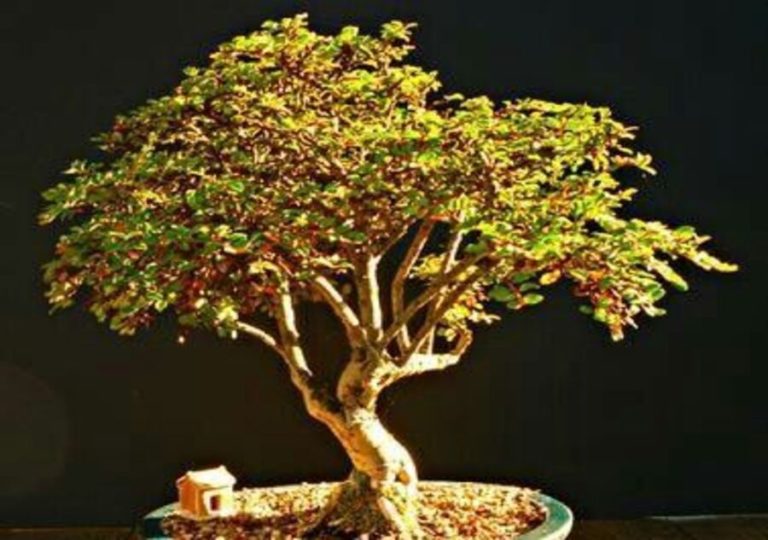
A Korean Maple Bonsai is a small, cultivated version of a Korean Maple tree, created through careful pruning and shaping techniques. It has the look of a full-grown Korean Maple tree, but it is much smaller. Bonsai fans use special techniques to keep the trees small while keeping their natural beauty.
Korean Maple (Acer pseudosieboldianum) is native to Korea and parts of northeastern China and Japan. These trees are known for their delicate, deeply lobed leaves and spectacular fall colors ranging from yellow and orange to brilliant red and purple. As bonsai, Korean Maples offer all the beauty of their full-sized relatives in a miniature form perfect for home display.
History and Origins of the Korean Maple Bonsai
Bonsai has been around for more than a thousand years, and Korean Maple Bonsai have been grown for that long. Bonsai is an art form that started in China and was later taken up and improved by the Japanese.
Ancient China: In ancient China, tiny landscapes and trees were grown in pots in ways that were similar to bonsai. These early styles of bonsai paved the way for the art we know today.
Bonsai in Japan: Japan got bonsai at some point, most likely during the Tang Dynasty (618 to 907 AD). The Japanese loved bonsai and made it their own by adding their own methods and styles. Over many years, Japan became the center of growing and perfecting bonsai.
By the time of Kamakura (1185 to 1333), the Japanese had created their own unique types of bonsai. Japanese culture had a big impact on the art form because it values balance, harmony, and simplicity. The upper class grew bonsai as a sign of their wealth and status.
Korean Maple Bonsai: Korean Maple trees were introduced to bonsai cultivation as practitioners began to appreciate maple species from different regions. While Japanese Maples (Acer palmatum) have been used in bonsai for centuries, Korean Maple offers a unique alternative with its distinct leaf shape and exceptional cold hardiness. Korean Maple became popular among bonsai enthusiasts looking for hardy, beautiful deciduous trees.
Modern Era: In the 20th century, bonsai, like Korean Maple Bonsai, became popular all over the world. The broad bonsai community we see today came about when bonsai fans all over the world accepted different styles, techniques, and species.
Today, Korean Maple Bonsai show how the art form of bonsai has changed and grown over time. Growers keep improving their methods to make sure that these tiny maple trees keep their beauty and artistic value in the world of bonsai.
Korean Maple Bonsai and Their Symbolism
Like other bonsai plants, Korean Maple trees have deep meanings that come from their old roots. These little maple trees stand for the following:
1. Change and Transformation:
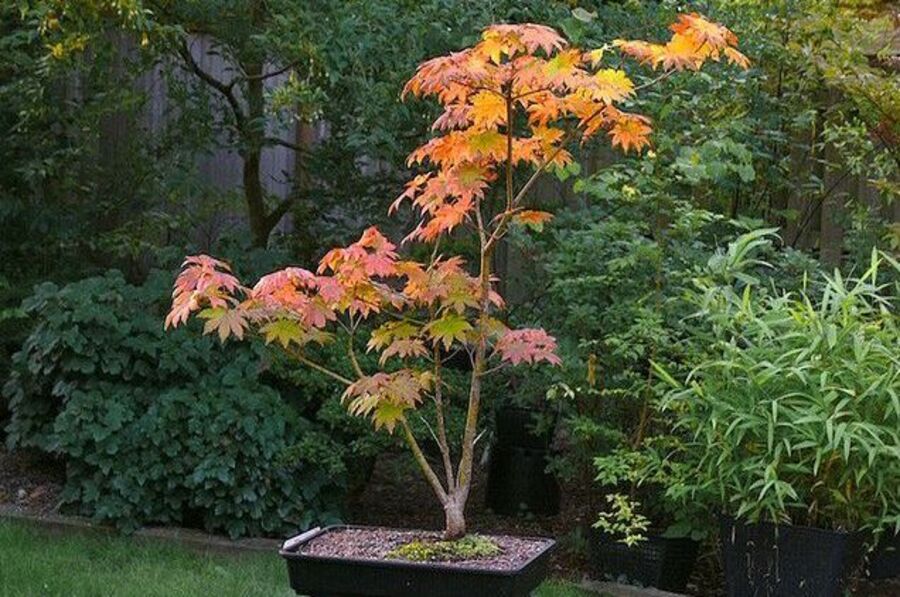
The dramatic seasonal changes of Korean Maple symbolize transformation and the cycles of life. The spectacular fall color transformation represents the beauty in change and the acceptance of life’s natural progressions.
2. Balance and Harmony:
Bonsai, like Korean Maple Bonsai, show how nature and human activity can work together in harmony. The skillful balance between creating the tree and letting it grow freely is a sign of peace between people and nature. This balance shows how to live in harmony with nature and shows how important it is to keep things in balance in life.
3. Patience and Time:
Korean Maple Bonsai remind us that beauty develops slowly over time. Each season brings subtle changes, and the tree improves year after year. This symbolizes patience, perseverance, and the rewards that come from long-term dedication.
4. Natural Beauty:
The simple but beautiful look of Korean Maple bonsai represents the beauty that can be found in things that are natural and unadorned. When you practice bonsai, you learn how to appreciate minimalism and find beauty in natural shapes. People who read it are told to enjoy the little things in life and be happy with what they have.
5. Strength Through Seasons:
Korean Maple’s ability to survive harsh winters and emerge stronger in spring symbolizes resilience and the ability to overcome difficult times. The dormant winter period represents rest and preparation for future growth.
6. Connection to Nature:
As a whole, bonsai is like a small form of nature. In particular, Korean Maple bonsai bring the beauty and rhythm of deciduous forests into a small package. They represent the most beautiful parts of nature and make us think of the bigger natural world, even when they’re only in a small pot.
Bonsai Korean Maple trees stand for change, balance, patience, natural beauty, strength, and connection to nature. Many people enjoy growing and admiring these tiny maple trees because they look nice, but they also teach people important lessons about life and hold cultural significance.
How to Grow Korean Maple Bonsai
Growing a Korean Maple Bonsai can be a rewarding and meditative experience. Here’s a step-by-step guide to help you get started:
1. Choose the Right Starting Material:
Select a Korean Maple (Acer pseudosieboldianum) seedling, young plant, or nursery stock. Look for plants with small leaves, good trunk taper, and interesting branch structure. Korean Maples are naturally well-suited to bonsai with their compact growth habit.
2. Select the Right Container:
Choose a shallow and wide pot with drainage holes. The pot should be large enough to accommodate the roots but not excessively large to maintain the tree’s miniature size. For Korean Maple, choose earth-toned or subtle colored pots that complement the foliage.
3. Prepare the Potting Mix:
Use well-draining soil, preferably a mix of akadama, pumice, and organic compost. This mix ensures good aeration and water drainage, essential for bonsai growth. Korean Maples appreciate slightly more organic content than conifers.
4. Planting the Bonsai Tree:
Carefully remove the tree from its nursery pot, ensuring not to disturb the roots excessively. Trim any long or damaged roots. Place a layer of soil in the bottom of the bonsai pot and position the tree on it. Fill the remaining space with the prepared potting mix, gently pressing down to remove air pockets.
5. Pruning and Shaping:
Prune excess branches and leaves, promoting a balanced and natural appearance. Use sharp and clean bonsai scissors to make precise cuts. Pruning helps shape the tree and maintain its miniature size. For Korean Maple, focus on developing a well-ramified branch structure.
6. Wiring and Shaping:
Use soft aluminum wire to gently guide branches into desired shapes. Avoid wrapping the wire too tightly to prevent damage. Regularly check the wiring to ensure it does not cut into the bark as the tree grows. Korean Maple branches are flexible when young but become brittle as they age.
7. Watering and Feeding:
Water the bonsai thoroughly when the topsoil feels slightly dry. Ensure the water drains out of the pot to prevent waterlogging. Fertilize the tree during the growing season (spring and summer) with a balanced liquid fertilizer, following the recommended dosage on the package.
8. Sunlight and Temperature:
Place the Korean Maple bonsai where it receives plenty of sunlight, preferably 6 to 8 hours of morning sun with afternoon shade. Protect the tree from extreme hot afternoon sun, especially in summer, as Korean Maple leaves can scorch. The tree requires winter dormancy with cold temperatures.
9. Regular Maintenance:
Monitor the tree regularly for pests, such as aphids or spider mites. Treat any infestations promptly. Repot the bonsai every 2 to 3 years, refreshing the soil and pruning the roots slightly to encourage new growth.
10. Patience and Observation:
Bonsai trees, including Korean Maple Bonsai, require time and patience to develop their desired shape and aesthetics. Observe the tree’s growth patterns and adjust your care techniques accordingly. Korean Maples reward patience with spectacular seasonal displays.
Remember, growing a Korean Maple Bonsai is a long-term commitment that requires dedication and attention. With proper care and patience, you can cultivate a beautiful and harmonious miniature maple tree to adorn your living space.
Displaying and Showcasing the Korean Maple Bonsai
Displaying and showcasing your Korean Maple Bonsai is an art in itself, enhancing the tree’s beauty while complementing your living space. Here are some creative ideas to display your Korean Maple Bonsai effectively:
1. Choose the Right Stand or Table:
Choose a stand or table that is strong, looks good, and goes with the style of your Korean Maple Bonsai. Think about stands made of wood, pottery, or metal that will make the tree look better. Dark wood stands work particularly well with Korean Maple’s seasonal colors.
2. Select a Suitable Pot:
Pick a pretty bonsai pot that goes with the style and color of the tree. With the green leaves and brilliant fall colors, traditional earthy tones like brown, tan, or subtle blue-gray can make a striking combination. Unglazed pots often work best for deciduous trees.
3. Use Accent Elements:
Add small decorative stones, moss, or tiny figures as accents to make the display look better. These things give the space a charming touch and make it look more natural. Accent plants like small grasses or companion plants can complement the maple.
4. Proper Lighting:
Put your Korean Maple Bonsai somewhere bright to make it look its best. For most bonsai trees, natural sunshine that comes from the side is best. You can also use LED lights that can be adjusted to get the best lighting, especially for indoor winter display.
5. Rotate the Tree:
To make sure the bonsai grows evenly, turn it every so often. This keeps the tree from bending in one direction and makes sure that all of its sides get enough sunlight. Rotate weekly for even development.
6. Seasonal Changes:
Accept that the seasons are changing by using seasonal features. For instance, in the spring, display the fresh green growth prominently. In fall, position the tree where the brilliant colors can be fully appreciated. In winter, the bare branch structure becomes the focal point of beauty.
7. Grouping Bonsai Trees:
Putting your bonsai trees together in a group might make them look better if you have more than one. Change the styles and heights to make a balanced arrangement. Korean Maple pairs well with evergreen companions for year-round interest.
8. Regular Maintenance:
Make sure the show area is neat and clean. To keep the tree’s shape, cut back any stems or leaves that are getting too big. Regularly clean out the pot of dead leaves and other junk. Remove fallen leaves promptly in autumn.
9. Showcasing During Bonsai Exhibitions:
When you show off your bonsai, pay attention to how the whole thing is put together. To make a nice show, use the right display tables, accent pieces, and backgrounds. Make sure there is enough light to show off the tree’s traits. Korean Maple is especially impressive during fall color season.
10. Share Your Passion:
Tell your family and friends about your Korean Maple bonsai and how to take care of it. Your excitement will make the tree more meaningful and make it an interesting topic of discussion. Share photos of seasonal changes on social media or bonsai forums.
Remember that the way you show off your Korean Maple Bonsai shows how creative you are and how much you value this old art form. Play around with different arrangements and elements to make a beautiful display that shows off the beauty of your tiny maple tree.
How to Care for and Maintain a Korean Maple Bonsai
Caring for a Korean Maple Bonsai requires attention to detail and consistent care. Here’s a comprehensive guide to help you maintain your tree’s health and beauty:
1. Watering:
Frequency: Water your Korean Maple Bonsai thoroughly when the topsoil feels slightly dry. The frequency of watering depends on factors like climate, pot size, and tree age. Check the soil moisture regularly. Korean Maples prefer consistent moisture but not waterlogged conditions.
Watering Technique: Water the tree gently and evenly, ensuring water reaches all parts of the root system. Use a watering can with a fine nozzle to avoid disturbing the soil. In summer, daily watering may be necessary.
2. Lighting:
Sunlight: Korean Maple Bonsai need plenty of sunlight, preferably 6 to 8 hours daily with some afternoon shade. Place your tree where it receives bright morning sun but protection from intense afternoon heat.
Seasonal Adjustments: During hot summers, protect the tree from scorching afternoon sunlight which can burn the delicate leaves. In winter, the dormant tree needs less light but should not be kept in complete darkness.
3. Temperature and Humidity:
Temperature: Korean Maple Bonsai are very cold hardy and require winter dormancy. They thrive in zones 4 to 8. Protect them from extreme heat in summer but allow them to experience winter cold naturally. Winter temperatures should drop below 45°F for proper dormancy.
Humidity: Korean Maples prefer moderate to higher humidity. Mist the tree regularly during growing season, especially if you live in a dry climate. You can also place the pot on a tray filled with water and pebbles to increase humidity around the tree.
4. Pruning and Shaping:
Regular Pruning: Prune the tree regularly to maintain its shape. Remove dead or unhealthy branches and trim excess growth. Use sharp and clean bonsai scissors or pruning shears for precise cuts. Prune in late winter or early spring before new growth begins.
Pinching: Pinch off new growth with your fingers during growing season to encourage branching and create a denser foliage canopy. This also helps reduce leaf size over time.
5. Fertilization:
Fertilizer Type: Use a balanced liquid fertilizer specifically designed for deciduous bonsai. Fertilize your Korean Maple Bonsai during the growing season (spring and summer) every 2 to 4 weeks.
Application: Dilute the fertilizer to half the recommended strength and apply it when the soil is moist. Avoid fertilizing during winter when the tree is in a dormant state. Reduce nitrogen in late summer to harden growth before winter.
6. Repotting:
Timing: Repot your Korean Maple Bonsai every 2 to 3 years, usually in early spring just before buds begin to swell.
Root Pruning: Trim the roots slightly to encourage new growth. Use well-draining soil during repotting. Korean Maples tolerate root pruning well when done at the proper time.
7. Pest and Disease Control:
Vigilance: Regularly inspect your tree for signs of pests like aphids, spider mites, or scale insects. Treat infestations promptly with insecticidal soap or neem oil.
Preventive Measures: Keep your tree clean, well-ventilated, and avoid overwatering to prevent common bonsai pests and diseases. Watch for powdery mildew and leaf spot diseases.
8. Training and Wiring:
Wiring: Use soft aluminum wire to gently shape branches. Check the wiring regularly to prevent it from cutting into the bark. Remove the wire once the branch has set in the desired shape. Best done in late spring or early summer.
Training: Train your Korean Maple Bonsai by guiding its growth with strategic pruning and wiring. Patience is essential; shaping a bonsai takes time and gradual adjustments. Korean Maple branches become brittle with age, so wire carefully.
9. Protection from Extreme Weather:
Heat Protection: Shield your Korean Maple Bonsai from intense afternoon sun in summer, which can cause leaf scorch. Provide shade cloth or move to partial shade during heat waves.
Winter Protection: While very cold hardy, protect roots from sustained hard freezes by placing pot on ground or in unheated garage. The tree needs cold but roots in small pots are vulnerable to extreme temperature swings.
10. Regular Observation and Adjustment:
Observation: Observe your tree closely. Notice how it responds to different conditions, including changes in light, temperature, and watering. Adjust your care routine accordingly to address the tree’s needs.
Seasonal Awareness: Pay attention to seasonal changes. New growth in spring, vigorous growth in summer, spectacular color in fall, and bare beauty in winter all require different care approaches.
Remember, each Korean Maple Bonsai is unique, and its care requirements might vary based on its specific environment and individual characteristics. Regular attention, patience, and a watchful eye will help you maintain a healthy and thriving Korean Maple Bonsai that brings natural beauty into your living space.
Korean Maple Bonsai Care Sheet Table
| Aspect | Care Tips |
|---|---|
| Watering | Water the tree when the top 1 to 2 inches of soil are dry, typically daily in summer, every 2 to 3 days in spring and fall, minimal in winter. Avoid overwatering. Use a well-draining soil mix. |
| Sunlight | Place the tree in a location with 6 to 8 hours of morning sun with afternoon shade. Protect from intense afternoon sun in summer. Full sun is acceptable in cooler climates. |
| Temperature | Very cold hardy, zones 4 to 8. Requires winter dormancy with temperatures below 45°F. Protect from extreme heat above 95°F. |
| Humidity | Korean Maple benefits from moderate to higher humidity. Use a humidity tray, mist regularly, or place on pebble tray. |
| Fertilization | Fertilize every 2 to 4 weeks during growing season (spring to early autumn) with balanced liquid fertilizer at half strength. Reduce nitrogen in late summer. None in winter. |
| Pruning and Trimming | Regularly prune to shape the tree, removing dead or crossing branches. Major pruning in late winter. Pinch new growth during growing season to encourage branching and maintain shape. |
| Wiring and Styling | Wire branches carefully in late spring or early summer. Use soft aluminum wire and check regularly to prevent wire cutting into branches. Remove before wire bites. Branches become brittle with age. |
| Repotting | Repot every 2 to 3 years in early spring before buds swell. Choose a well-draining bonsai soil mix. Trim roots and prune branches during repotting to maintain desired size and shape. |
| Pest and Disease Control | Watch for aphids, spider mites, and scale insects. Treat with neem oil or insecticidal soap. Monitor for powdery mildew and leaf spot. Address promptly with appropriate fungicide. |
| Winter Care | Very cold hardy. Place outdoors for winter dormancy. In zones 4 to 5, protect roots by placing pot on ground or in unheated garage. Do not bring indoors for winter. |
| Regular Maintenance | Continuously monitor tree health. Check for stress signs like wilting or discolored leaves. Remove fallen leaves promptly. Maintain desired shape through regular pruning and training. |
Keep in mind that every Korean Maple Bonsai may have different care needs. Change how you care for your trees based on what they need and how they respond to your care. For bonsai to do well, they need to be watched and adjusted on a regular basis.
Resources for Learning More: Korean Maple Bonsai
Books:
- “Bonsai Techniques I & II” by John Naka
- “Japanese Maples” by Peter Gregory
- “The Complete Book of Bonsai” by Harry Tomlinson
Online:
- Bonsai Empire (bonsaiempire.com)
- Bonsai Nut Forums (bonsainut.com)
- YouTube: Herons Bonsai, Bonsai Mirai
Community:
- Local bonsai clubs
- American Bonsai Society (absbonsai.org)
- Reddit: r/Bonsai
Where to Buy:
- Brussel’s Bonsai, Eastern Leaf (online)
- Local bonsai and landscape nurseries
Learning:
- Attend workshops and exhibitions
- Practice with affordable nursery stock
- Join social media groups (#maplebonsai)
Conclusion
A Korean Maple bonsai is a fun project that teaches you how to be patient and take care of something. You can start your own Bonsai adventure now that you have this easy plan. So, get your hands dirty and take care of your tree. Soon, it will grow into a beautiful little maple garden right in your own house, providing spectacular seasonal displays throughout the year. Good luck with your bonsai!
FAQ
1. Can I grow a Korean Maple tree as a bonsai?
Yes, you can grow a Korean Maple tree as bonsai. Korean Maple is excellent for bonsai and is popular among bonsai enthusiasts for its beautiful leaf shape, spectacular fall colors, and cold hardiness.
2. What type of Korean Maple is suitable for bonsai?
Acer pseudosieboldianum is the species name for Korean Maple. The species itself is well-suited for bonsai. Look for specimens with small leaves and good trunk taper. There are no specific cultivars required, as the species naturally has appropriate characteristics.
3. How do I care for a Korean Maple bonsai?
Korean Maple bonsai care involves proper watering, morning sunlight with afternoon shade, regular pruning and shaping, repotting as needed, and attention to temperature and humidity requirements. Refer to the care sheet provided earlier for detailed care instructions.
4. Can I grow a Korean Maple bonsai indoors?
No, Korean Maple bonsai must be grown outdoors. They are deciduous trees that require winter dormancy with cold temperatures. Indoor conditions will eventually kill the tree. They need seasonal temperature changes to thrive.
5. When should I repot my Korean Maple bonsai?
Repot your Korean Maple bonsai every 2 to 3 years in early spring, just before the growing season begins and before buds swell. During repotting, trim the roots and prune branches to maintain the desired size and shape.
6. Can I grow Korean Maple bonsai from seeds or cuttings?
Yes, Korean Maple can be grown from seeds or cuttings, though it can be a slower process. Seeds need cold stratification before germination. Many bonsai enthusiasts prefer to start with young trees or purchase pre-bonsai specimens to save time.
7. What pests and diseases should I watch out for with Korean Maple bonsai?
Common pests include aphids, spider mites, and scale insects. Keep an eye out for these and treat with neem oil or insecticidal soap as needed. Also monitor for powdery mildew and leaf spot diseases, especially in humid conditions.
8. How do I shape my Korean Maple bonsai through pruning and wiring?
Regularly prune to maintain the desired shape and remove any dead or crossing branches. You can also use wiring to guide branches into desired positions. Wiring should be done in late spring or early summer and checked regularly to prevent damage.
9. Will my Korean Maple bonsai change colors in fall?
Yes! Korean Maple is famous for spectacular fall colors ranging from yellow and orange to brilliant red and purple. The intensity of fall color depends on growing conditions, with cool nights and sunny days producing the best displays.
10. What are some common mistakes to avoid when caring for a Korean Maple bonsai?
Common mistakes include trying to grow it indoors, overwatering, insufficient sunlight, using the wrong soil mix, neglecting winter dormancy requirements, not protecting from intense afternoon sun, and wiring branches that are too old and brittle. Regular observation and adjustment are essential for successful bonsai care.
Also Read: