Shade Nets for Agriculture : Improving Crop Growth and Protection
Agriculture is one of the most critical industries in the world, providing food and other essential resources for billions of people. But farmers face many problems when they try to grow crops, such as weather that is hard to predict, pests, and diseases.
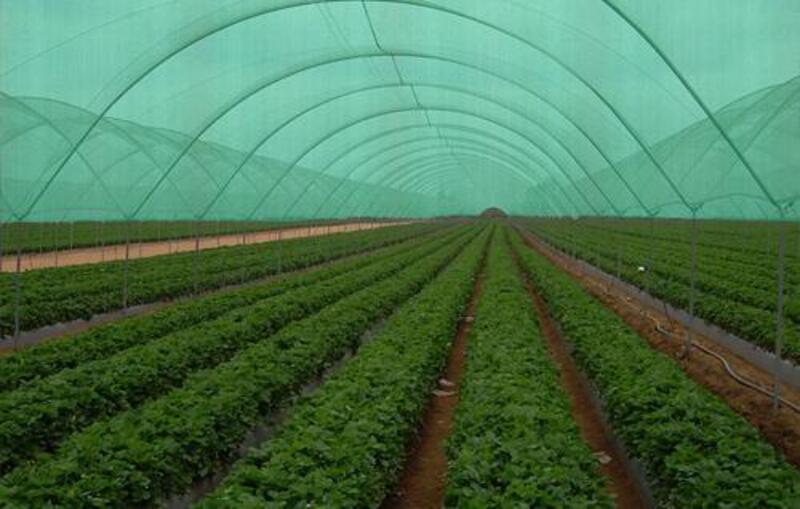
Shade nets, in particular, have emerged as a valuable tool for improving crop growth and protection. In this article, we’ll explore the benefits and applications of shade nets for agriculture.
What are Shade Nets?
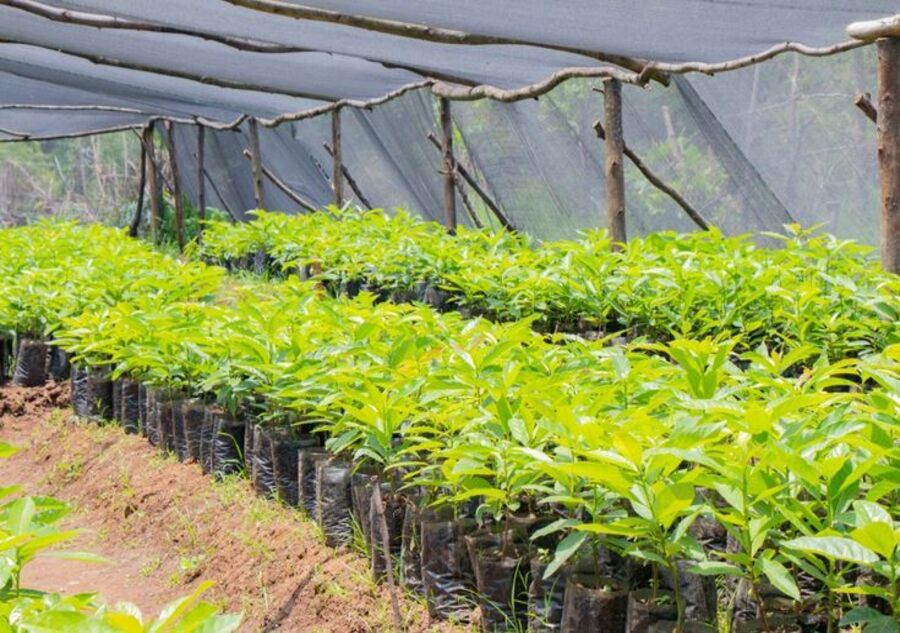
Shade nets are made from high-density polyethylene (HDPE) material and are designed to provide shade and protection for crops. They are available in different colors and densities, allowing farmers to choose the right net for their specific needs.
Shade nets help crops in many ways, like keeping them at the right temperature, preventing water loss, and protecting them from UV rays.
Benefits of Shade Nets for Agriculture
- Temperature Control
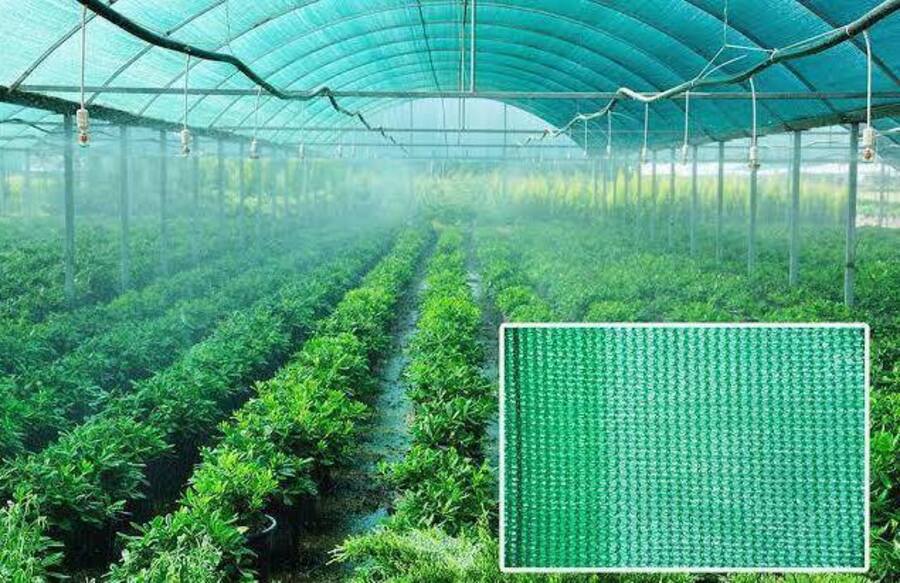
One of the main benefits of shade nets for agriculture is that they help control temperature levels. The nets provide shade for crops, reducing the risk of overheating and damage. This is particularly important for crops that are sensitive to high temperatures, such as flowers and fruits. By controlling temperature levels, shade nets can improve crop growth and increase yield.
- Reduced Water Loss
Shade nets also help to reduce water loss in crops. The nets reduce evaporation by providing shade, which can conserve moisture in the soil. This can help reduce the frequency of watering and improve water efficiency, making shade nets a valuable tool for farmers in areas with water scarcity.
- Protection from Harmful UV Rays
Shade nets also provide protection from harmful UV rays. The nets reduce the amount of UV radiation that reaches crops, reducing the risk of damage and improving overall crop health. Additionally, shade nets can help to reduce the risk of skin cancer and other health issues for farmers and workers who are exposed to UV radiation on a regular basis.
- Pest and Disease Control
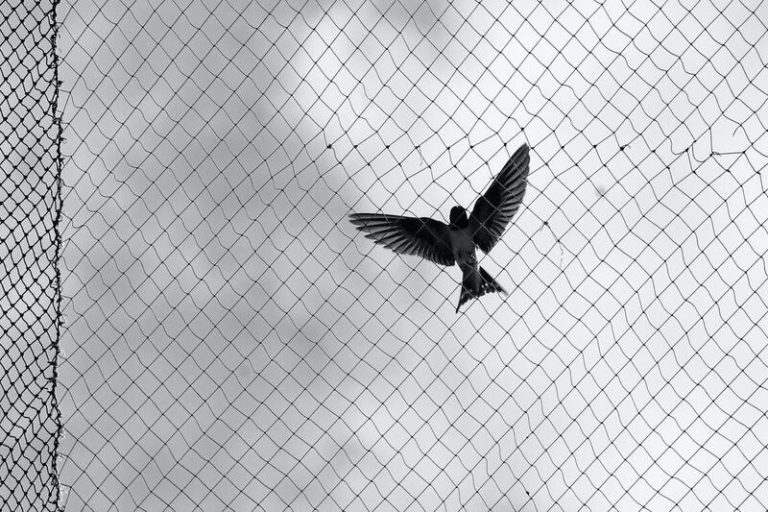
Shade nets can also provide protection from pests and diseases. The nets can prevent pests from reaching crops, reducing the risk of damage and disease transmission. Additionally, shade nets can reduce the need for chemical pesticides, which can harm the environment and wildlife.
Different Types of Shade Nets
Shade nets come in different shade percentages (how much sun they block). Choose the right one for your crops:
| Shade % | Best For Crops | Example Use |
|---|---|---|
| 30–40% | Tomato, pepper, cucumber, brinjal | Normal hot areas |
| 50% | Leafy greens (lettuce, spinach), flowers | All-purpose, most popular |
| 60–70% | Nursery plants, orchids, delicate crops | Very hot or sunny places |
| 75–90% | Seedlings, mushrooms, indoor plants | Extreme heat or nurseries |
Choose the Right Color for Your Farm
The color of the net changes how light reaches plants:
- Green – Looks natural, good for most vegetables.
- Black – Blocks more heat, strong and long-lasting.
- White – Reflects heat, keeps plants cooler in very hot areas.
- Red or Blue – Special colors that help some crops grow faster or bigger fruits.
Applications of Shade Nets for Agriculture
- Greenhouses
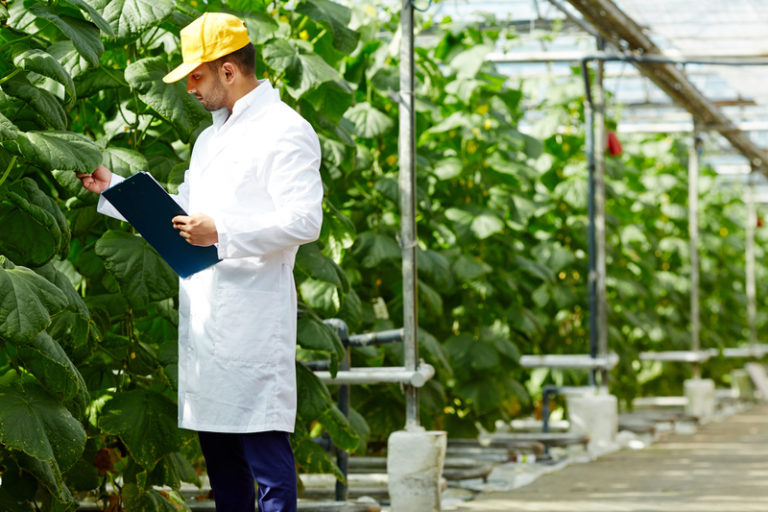
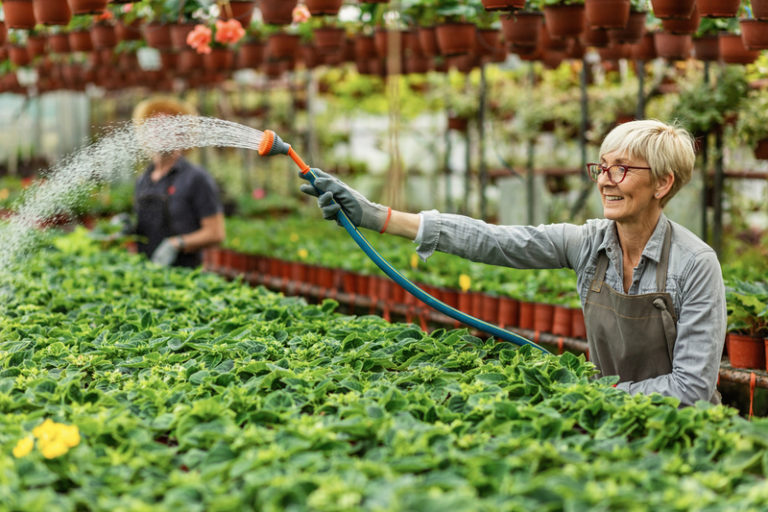
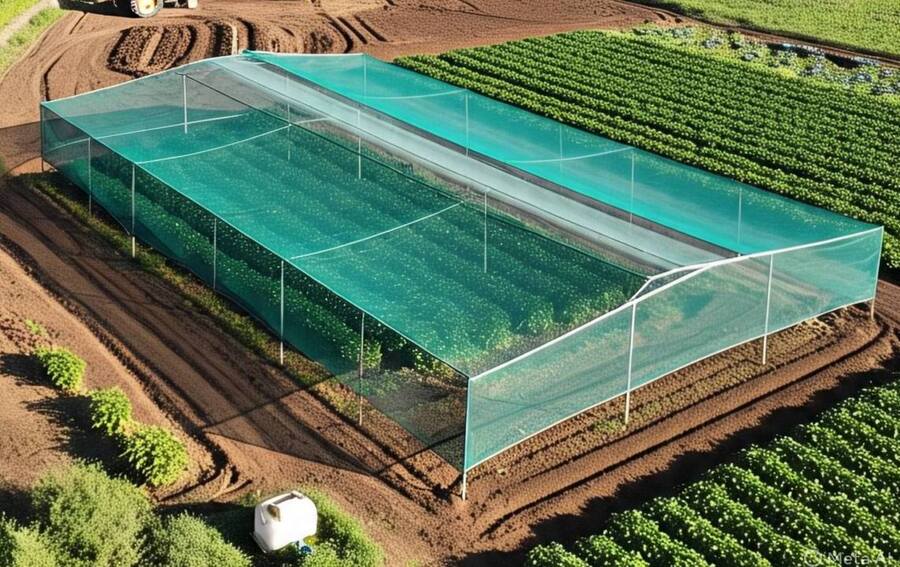
One of the most common applications of shade nets in agriculture is in greenhouses. The nets are used to cover the structure, providing shade and protection for crops. The shade nets help to regulate temperature levels, reduce water loss, and protect crops from harmful UV rays, improving overall crop growth and yield.
- Open Field Crops
Shade nets can also be used for open-field crops. The nets are placed over crops to provide shade and protection, helping to improve crop growth and reduce the risk of damage from pests and diseases. Shade nets are also a valuable tool for farmers in areas with water scarcity, as they help to conserve moisture in the soil.
- Livestock Farming
Shade nets can also be used in livestock farming. The nets provide shade and protection for animals, improving their overall health and comfort. Additionally, shade nets can help to reduce the risk of heat stress in livestock, which can have a positive impact on animal productivity.
How to Install Shade Nets (Easy Steps for Farmers)
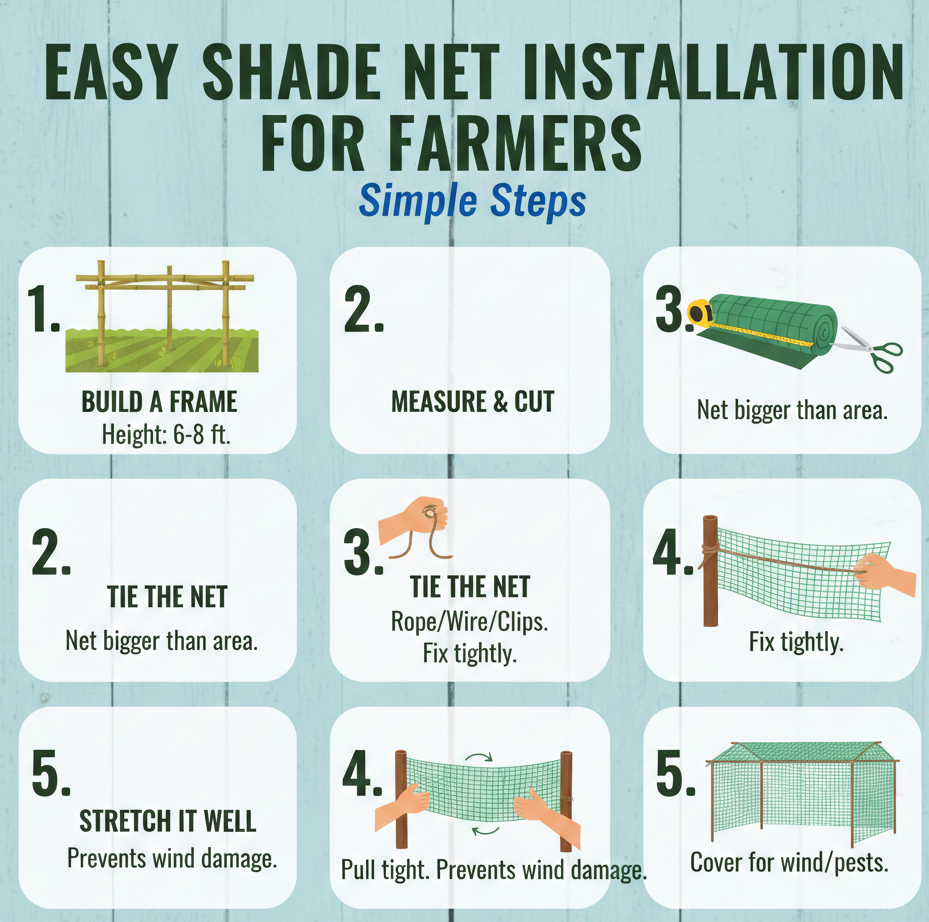
Installing shade nets is simple and takes a few hours:
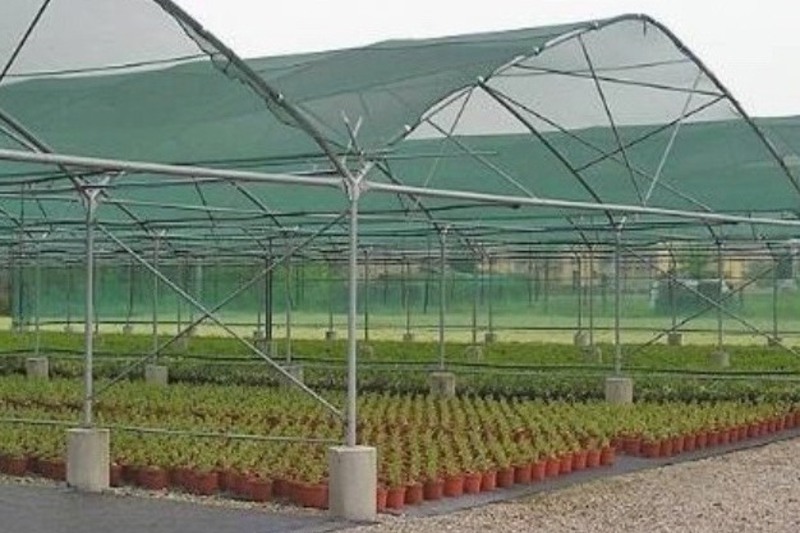
- Build a simple frame – Use bamboo, iron poles, or wooden posts. Make height 6–8 feet.
- Measure and cut – Buy net bigger than your area (leave extra for tying).
- Tie the net – Use rope, wire, or clips to fix it tightly on the frame.
- Stretch it well – Pull tight so wind cannot tear it.
- Check sides – Cover sides if you want more protection from wind or pests.
Quick Tips to Get the Best Results
- Start small – Test on one small plot first.
- Clean the net every season.
- Repair small holes quickly.
- Use drip irrigation under the net to save even more water.
- Buy UV-treated nets for longer life.
Shade nets are a simple, low-cost way to make your farm stronger against hot weather. Start using them today and watch your crops grow better and earn more money!
Conclusion
Shade nets for agriculture are a valuable tool for improving crop growth and protection. The nets provide temperature control, reduced water loss, protection from harmful UV rays, and pest and disease control, making them an essential tool for farmers.
Shade nets are available in different colors and densities, allowing farmers to choose the right net for their specific needs. By using shade nets, farmers can improve their crop yield and efficiency, making their operations more sustainable and profitable.
Frequently Asked Questions (FAQ)
1. What are shade nets in agriculture?
Shade nets are special fabrics made from strong plastic (HDPE) that block some sunlight while letting air and rain pass through. They create a cooler and safer environment for plants, just like a umbrella for your crops.
2. What are the main benefits of using shade nets for farming?
- Protects crops from strong sun and sunburn.
- Keeps the area cooler and reduces heat stress.
- Saves water by stopping fast evaporation.
- Blocks insects, birds, and some pests – less need for chemicals.
- Helps plants grow better and gives higher yields (often 20-50% more).
- Useful in hot summers and for off-season crops.
3. Which shade percentage should I choose for my crops?
It depends on your crops and weather:
- 30-40% shade: For vegetables like tomato, capsicum, cucumber in normal hot areas.
- 50% shade: Most popular – good for leafy greens, flowers, and general use.
- 60-75% shade: For nurseries, delicate plants, or very hot places.
- 90% shade: For seedlings, mushrooms, or extreme heat.
Start with 50% if you are new to shade nets.
4. Do different colors of shade nets make a difference?
Yes! Colors affect plant growth:
- Green: Most common, looks natural, good for vegetables.
- Black: Blocks more heat, very strong and lasts long.
- White: Reflects sunlight, keeps area much cooler.
- Red or Blue: Special colors that can make fruits bigger or plants grow faster in some crops.
5. How long do agricultural shade nets last?
Good quality UV-stabilized shade nets last 5 to 10 years. Cheap ones may tear faster. Clean them regularly and repair small holes to make them last longer.
6. Can shade nets be used for a full shade net house?
Yes! Many farmers build simple shade net houses for vegetables, flowers, or nurseries. They are cheaper than polyhouses but give good protection.
7. Are shade nets easy to install?
Very easy! You need poles (bamboo or iron), rope, and basic tools. Fix the net tightly on a frame 6-8 feet high. It takes a few hours for a small area.
8. Do shade nets reduce crop yield because of less sunlight?
No, if you choose the right shade %. They block harmful rays but let enough light for growth. In hot areas, crops actually grow better under shade nets.
9. Can I use shade nets for livestock or other purposes?
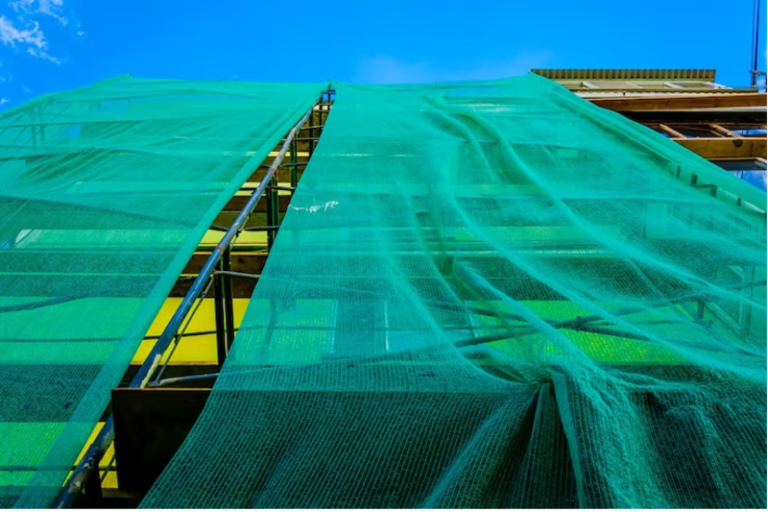
Yes! They provide shade for animals, reduce stress, and improve milk or egg production. Also used in parking, balconies, or construction sites.
Also Read :-