Agricultural Hose Reel: A Must-Have Tool for Modern Farmers
Agricultural hose reels have become an indispensable tool for farmers across the world. With the increasing demand for irrigation and water management systems, farmers require a reliable, efficient, and easy-to-use solution to deliver water to their crops. Agricultural hose reels provide a cost-effective, hassle-free solution for watering crops, reducing labor costs, and ensuring efficient water distribution.
What is an Agricultural Hose Reel?
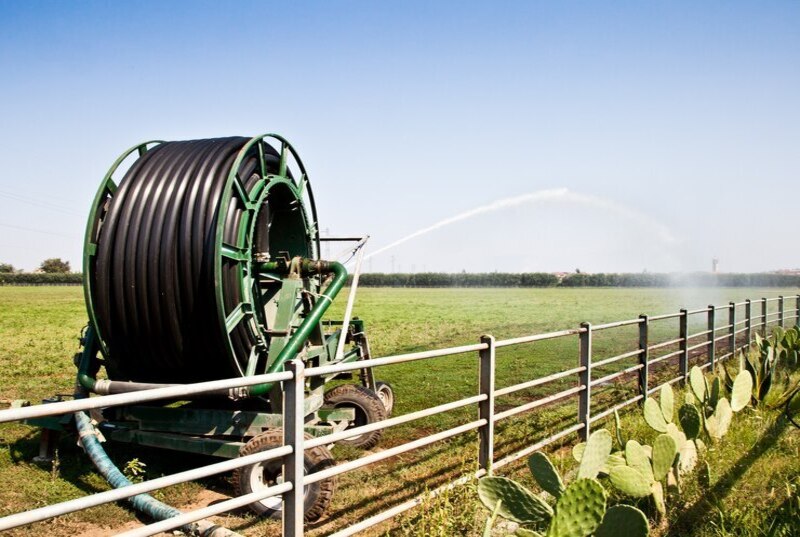
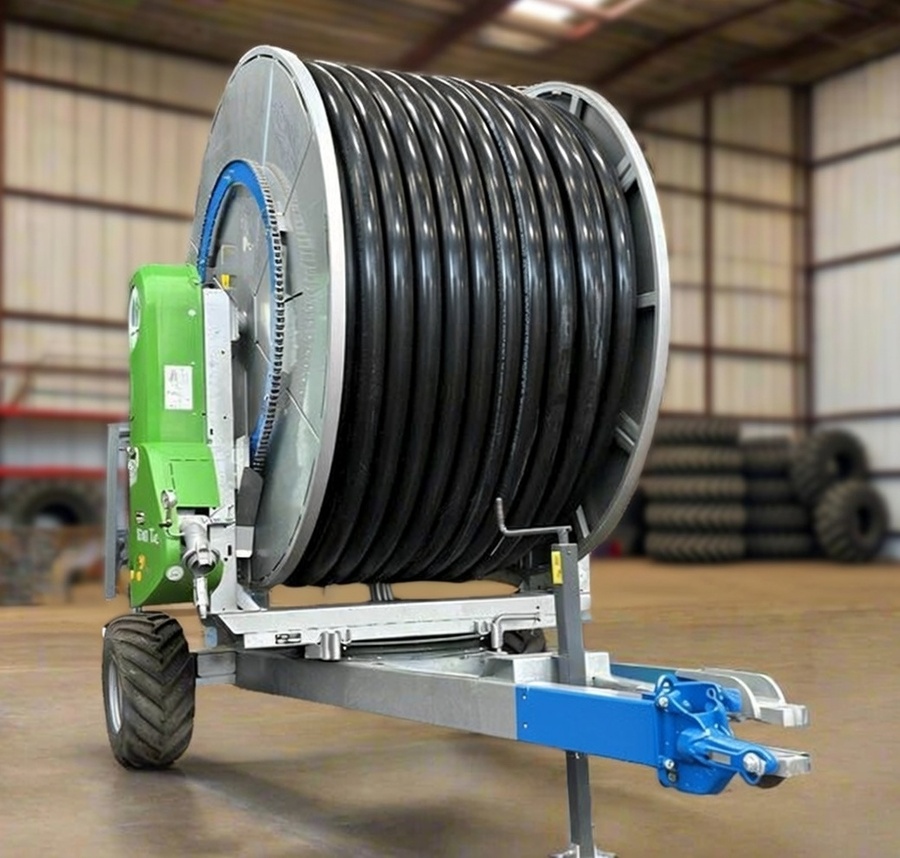
An agricultural hose reel is a rotating spool that stores and dispenses a water hose for irrigation purposes. Hose reels can be mounted on the ground, on a wall or on a cart, making them a flexible and versatile solution for farmers. The hose reel system is designed to be user-friendly, with a crank handle or a lever mechanism to wind or unwind the hose, and a locking mechanism to secure the hose in place.
How Does It Work?
Agricultural hose reels operate through a simple mechanism that makes irrigation much easier:
- Water Connection – The reel connects to your water source (pump, well, or mainline)
- Swivel Joint – Allows water to flow even as the drum rotates
- Hose Storage – The hose wraps neatly around a drum, protecting it from damage
- Winding System – Manual crank or motor winds the hose back after use
- Locking Feature – Secures the hose at any desired length
Key Components: The basic parts include a drum/spool, frame, winding mechanism (manual or powered), guide system, brake/lock, and water inlet connection.

Types of Agricultural Hose Reels
Understanding different types helps you choose the right system for your farm:
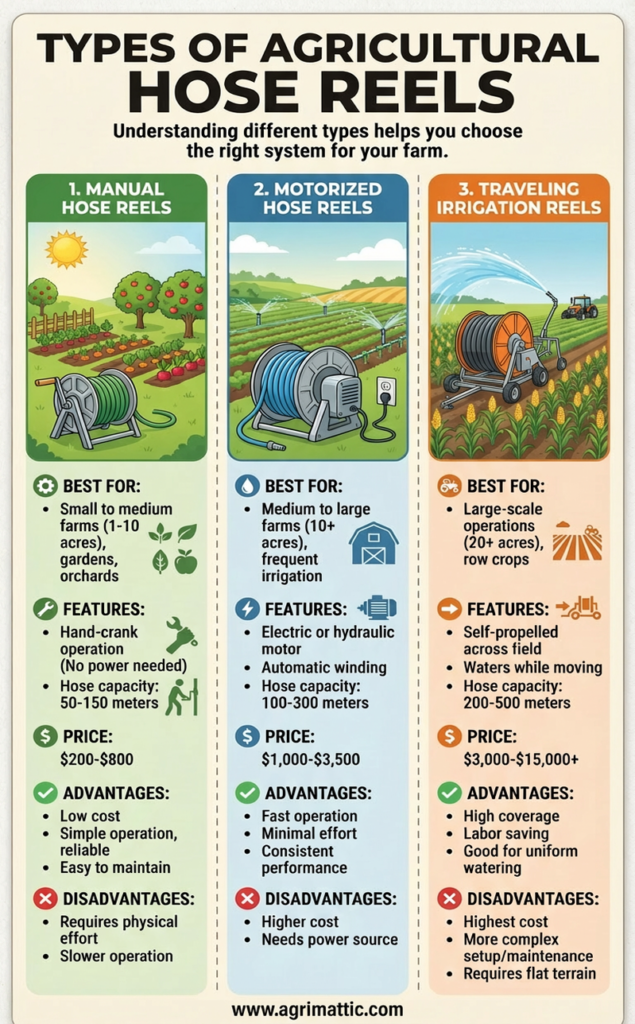
1. Manual Hose Reels
Best For: Small to medium farms (1-10 acres), gardens, orchards
Features:
- Hand-crank operation
- No power needed
- Hose capacity: 50-150 meters
- Price: $200-$800
Advantages: Low cost, simple operation, reliable, easy to maintain Disadvantages: Requires physical effort, slower operation
2. Motorized Hose Reels
Best For: Medium to large farms (10+ acres), frequent irrigation
Features:
- Electric or hydraulic motor
- Automatic winding
- Hose capacity: 100-300 meters
- Price: $1,000-$3,500
Advantages: Fast operation, minimal effort, consistent performance Disadvantages: Higher cost, needs power source
3. Traveling Irrigation Reels
Best For: Large-scale operations (20+ acres), row crops
Features:
- Self-propelled across field
- Waters while moving
- Hose capacity: 200-500 meters
- Price: $3,000-$15,000+
Advantages: High coverage, labor-efficient, uniform water application Disadvantages: Significant investment, requires level terrain
Mounting Options
| Type | Best For | Advantages |
|---|---|---|
| Wall-Mounted | Greenhouses, wash stations | Space-saving, fixed location |
| Cart-Mounted | Mixed farming, multiple fields | Mobile, versatile |
| Skid-Mounted | Large reels, heavy-duty use | Stable, movable with tractor |
Benefits of Agricultural Hose Reels
Time and Labor Savings
Agricultural hose reels save farmers time and labor by eliminating the need to manually drag hoses around their fields. With a hose reel, farmers can quickly and easily deliver water to their crops, without the need to manually move heavy hoses or water pumps.
Real Impact:
- Reduce irrigation time by 60-70%
- Save 150-200 hours per growing season
- One person can do work that previously needed two
- Less physical strain reduces injury risk
Example: A 10-acre vegetable farm can cut irrigation time from 3 hours to just 45 minutes per cycle.
Increased Efficiency
Agricultural hose reels increase the efficiency of water distribution by allowing farmers to easily control the flow of water and adjust the direction of the hose to reach specific areas of their fields. The easy winding mechanism also reduces the risk of water waste and damage to crops.
Water Management Benefits:
- Precise water delivery to target areas
- Controlled flow reduces runoff by 40-60%
- Quick repositioning for different fields
- Better coverage with less waste
- Save 20-40% water compared to flood irrigation
Cost-Effective
Agricultural hose reels are cost-effective, as they eliminate the need to purchase and store multiple hoses for irrigation purposes. With a hose reel, farmers can use one hose for multiple applications, saving money on hose purchases and maintenance.
Financial Savings:
- Reduced water bills: $500-$2,000/year
- Lower labor costs: $1,500-$5,000/year
- Fewer hose replacements: $200-$800/year
- Payback period: 12-48 months depending on type
Durability and Longevity
Agricultural hose reels are built to last, with sturdy construction and high-quality materials designed to withstand harsh outdoor conditions. The locking mechanism also reduces the risk of accidental damage to the hose, extending its lifespan and reducing replacement costs.
Quality Materials:
- Powder-coated steel – Economical and durable
- Stainless steel – Best for coastal/humid areas
- Aluminum – Lightweight and rust-proof
Expected Lifespan:
- Quality reel: 15-25 years
- Protected hose: 7-12 years (vs. 3-5 years exposed)
- Proper storage prevents UV damage and punctures
Easy Maintenance
Agricultural hose reels are easy to maintain, with simple cleaning and storage instructions to keep them in good condition. Regular maintenance can extend the life of the hose reel, reducing the need for frequent replacements and saving farmers money in the long run.
Simple Care:
- Weekly: Clean debris, check leaks, lubricate (15 minutes)
- Monthly: Inspect hose, tighten bolts (30 minutes)
- Seasonal: Deep clean, replace worn parts (2 hours)
- Annual maintenance costs: $50-$300 depending on type
Factors to Consider When Purchasing an Agricultural Hose Reel
Size
When purchasing an agricultural hose reel, consider the size of your farm and the amount of water required to irrigate your crops. Choose a hose reel that is large enough to store the length of hose required for your irrigation needs.
Calculate Hose Length: Formula: Distance from water source + 25% extra
Example:
- Field distance: 100 meters
- Add 25% safety margin: 125 meters
- Choose: 150-meter capacity reel
Size Guide by Farm:
- 1-5 acres: 100-150 meter capacity
- 5-15 acres: 150-250 meter capacity
- 15-50 acres: 250-400 meter capacity
- 50+ acres: Multiple reels or traveling system
Hose Diameter Options:
- 1 inch (25mm): Up to 15 liters/minute
- 1.25 inch (32mm): 20-30 liters/minute (most common)
- 1.5 inch (40mm): 35-50 liters/minute
- 2 inch (50mm): 60+ liters/minute
Material
Consider the materials used to construct the hose reel, as this will affect its durability and longevity. Look for hose reels made from corrosion-resistant materials, such as aluminum or stainless steel, to ensure long-term use.
| Material | Durability | Weight | Cost | Best For |
|---|---|---|---|---|
| Powder-Coated Steel | Excellent | Heavy | Budget-Mid | General farm use |
| Stainless Steel | Superior | Medium | High | Coastal/humid areas |
| Aluminum | Very Good | Light | Mid-High | Mobile applications |
| Heavy-Duty Plastic | Fair | Very Light | Low | Light-duty/hobby farms |
Look For:
- Welded joints (stronger than bolted)
- Thick tubing walls
- Quality protective coating
- Corrosion-resistant hardware
Mounting Options
Consider the mounting options available for the hose reel, as this will affect its versatility and ease of use. Choose a hose reel that can be mounted on the ground, on a wall, or on a cart, depending on your specific needs.
Wall-Mounted:
- Fixed installation near water source
- Space-efficient, easy access
- Best for: Greenhouses, equipment yards, single locations
Cart-Mounted:
- Wheels for easy movement
- Service multiple fields
- Best for: Mixed farming, orchards, versatile operations
Ground/Skid-Mounted:
- Stable, heavy-duty platform
- Movable with tractor
- Best for: Large traveling reels, permanent stations
Hose Compatibility
Consider the compatibility of the hose reel with your existing irrigation hose, as this will affect its performance and efficiency. Choose a hose reel that is compatible with your existing hose, to ensure seamless integration with your irrigation system.
Check These:
- Hose diameter (verify reel’s rated size)
- Hose length capacity (don’t exceed limit)
- Hose type (layflat, reinforced rubber, PVC, polyurethane)
- Connection fittings (camlock, threaded, quick-connect)
- Pressure rating (match to your system, typically 40-80 PSI)
Common Hose Types:
- Lay flat/Discharge: Most common, flexible, affordable
- Reinforced Rubber: Heavy-duty, chemical resistant
- Polyurethane: Lightweight, flexible, premium quality
- PVC: Budget option, moderate durability
Price
Consider the price of the hose reel, as this will affect its cost-effectiveness and long-term value.
Budget Guide:
- $200-$600: Basic manual reels, small capacity
- $600-$2,000: Quality manual or basic powered reels
- $2,000-$5,000: Advanced motorized reels
- $5,000-$15,000+: Professional traveling systems
Total System Cost:
Manual System:
- Reel + hose + fittings + installation = $650-$1,250
Powered System:
- Reel + hose + electrical + fittings = $2,500-$4,500
Traveling System:
- Complete setup = $6,500-$12,000
Return on Investment Example:
- 10-acre farm investment: $3,000 powered reel
- Annual savings: $2,750 (labor + water)
- Payback: 13 months
Installation and Operation
Easy Installation Steps
For Wall-Mounted Reels:
- Choose solid mounting surface (concrete, timber post)
- Mark holes using bracket as template
- Ensure bracket is level
- Use appropriate anchors for your wall type
- Mount reel and connect to water source
For Cart-Mounted Reels:
- Assemble cart frame
- Install wheels and verify smooth rolling
- Mount reel securely
- Test balance and add parking brake
- Connect plumbing
Daily Operation Tips
Before Use:
- Clear obstacles from hose path
- Check hose for visible damage
- Verify connections are tight
- Unwind hose smoothly
During Irrigation:
- Monitor pressure levels
- Watch for leaks
- Keep area clear of traffic
- Don’t exceed pressure limits
After Use:
- Reduce pressure before winding
- Wind hose evenly at consistent tension
- Engage brake/lock
- Flush with clean water if chemicals used
Common Problems and Quick Fixes
Hose Won’t Wind Evenly
Fix: Adjust guide rollers, maintain steady winding speed, lubricate bearings
Leaks at Swivel Joint
Fix: Replace O-rings (keep spares), clean debris, tighten connection
Difficult to Turn (Manual)
Fix: Lubricate moving parts, drain water from hose before winding
Motor Won’t Start (Powered)
Fix: Check power supply, reset breaker, inspect connections, contact electrician if needed
Low Water Pressure
Fix: Flush hose, straighten kinks, check pump performance, install pressure regulator
Advanced Applications
Fertigation (Fertilizer Application)
- Install fertilizer injector at inlet
- Use chemical-resistant hoses
- Flush thoroughly after use
- Saves 30-50% on fertilizer costs
Pesticide Application
- Use dedicated hose for chemicals (never for drinking water)
- Follow triple-rinse protocol
- Wear proper protective equipment
- Maintain application records
Frost Protection
- Apply water during freezing nights
- Protects citrus, berries, vineyards
- Requires overnight operation capability
Dust Suppression
- Control dust on farm roads
- Livestock areas and construction sites
- Use wide spray pattern
Safety Guidelines
Important Safety Rules
Personal Safety:
- Never stand in hose path during winding
- Keep hands clear of moving parts
- Turn off water before disconnecting
- Wear sturdy boots and work gloves
- Use proper lifting techniques
Equipment Safety:
- Don’t exceed rated pressure (40-80 PSI typical)
- Inspect before each use
- Secure equipment on slopes
- Keep children and pets away
- Disconnect power before maintenance (motorized reels)
Chemical Safety:
- Dedicated hose for chemicals only
- Wear appropriate protective equipment
- Follow label instructions
- Proper disposal of rinse water
Maintenance Schedule
Weekly (During Use):
- Clean debris from drum
- Check for leaks
- Lubricate moving parts
- Visual inspection
Monthly:
- Thorough cleaning
- Inspect hose for wear
- Tighten all bolts
- Check tire pressure (cart-mounted)
Seasonal:
- Deep clean entire unit
- Replace worn O-rings
- Touch up paint on scratches
- Full system check
Winter Storage:
- Drain all water completely
- Store indoors if possible
- Apply protective coating
- Cover to protect from weather
Buying Recommendations by Farm Type
Small Vegetable Gardens (1-5 acres)
- Manual cart-mounted reel
- 100-150 meter, 1.25″ hose
- Budget: $600-$1,000
Medium Farms (5-20 acres)
- Powered cart-mounted reel
- 150-250 meter, 1.5″ hose
- Budget: $2,000-$3,500
Large Operations (20+ acres)
- Traveling irrigation reel
- 300-400 meter, 2″ hose
- Budget: $6,000-$12,000
Greenhouses
- Wall-mounted manual reel
- 50-100 meter, 1″ hose
- Budget: $300-$600
Mixed Farming
- Two systems: powered for fields + manual for gardens
- Budget: $2,000-$3,500
Top Brands to Consider
North America:
- Hannay Reels – Industrial quality
- Coxreels – Strong warranty
- Kifco – Traveling irrigation specialists
European Brands:
- Bauer – Premium traveling reels
- Irrifrance – Innovation leaders
Where to Buy:
- Local farm equipment dealers (best for service)
- Agricultural cooperatives (member pricing)
- Online retailers (compare prices)
Frequently Asked Questions (FAQ)
1. What is the lifespan of an agricultural hose reel?
Quality reels last 15-25 years with proper maintenance. Hoses need replacement every 5-10 years.
2. Manual or powered – which is better?
Manual for farms under 5 acres with occasional use. Powered for 10+ acres with frequent irrigation.
3. Can I use the same hose for water and chemicals?
No. Always use dedicated hoses for chemicals and never use them for drinking water.
4. How much water can I save?
Typically 20-40% compared to flood irrigation, which can save $500-$2,000 annually.
5. Is professional installation required?
Not for manual reels (DIY-friendly). Recommended for powered reels to ensure proper electrical setup.
6. What pressure should I operate at?
Most agricultural hoses work best at 40-60 PSI. Check your specific hose rating and never exceed it.
7. Can I leave the hose on the reel during winter?
Drain all water first. Store indoors if possible. Never leave water in hose during freezing weather.
8. How often should I replace the hose?
Every 5-10 years depending on quality and care. Inspect regularly for cracks, leaks, or worn spots.
9. Are there government grants available?
Many regions offer USDA EQIP, state water efficiency programs, and conservation district funding. Contact your local agricultural office.
Conclusion
Agricultural Hose Reel is an essential tool for anyone who wants to efficiently manage their irrigation systems. By providing time savings, water efficiency, equipment protection, and cost-effectiveness, an agricultural hose reel can make farming operations easier and more profitable.
Key Takeaways:
- Match reel size to your actual needs
- Choose quality materials for long-term value
- Proper maintenance extends life by decades
- Start with manual if budget-limited, upgrade as you grow
- Calculate total cost including labor and water savings
Next Steps:
- Measure your irrigation requirements
- Calculate your budget
- Visit local dealers to compare options
- Check for agricultural grants in your area
- Start with one reel and expand as needed
The best hose reel is the one you’ll use consistently. Choose reliability and simplicity, and you’ll enjoy years of efficient irrigation!
Also Read :-
Shade Nets for Agriculture : Improving Crop Growth and Protection